Furnishing a New House — Spend Wisely, Settle In
Plan your budget, buy the essentials first, and make each room feel like home.
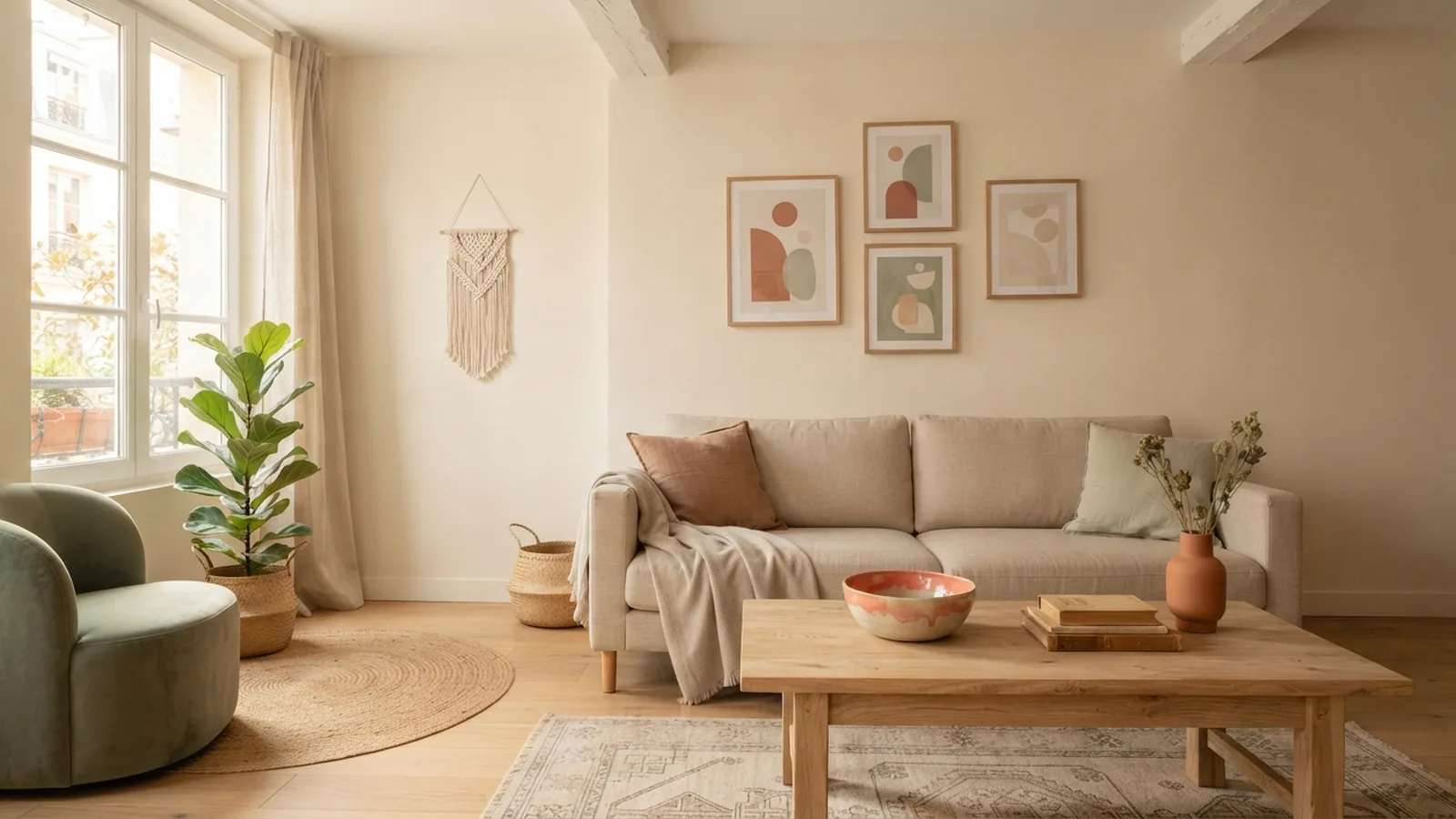
Set a furniture budget you can live with
To afford furniture for a new house, set a total limit before you shop. Base it on your savings, monthly bills, and moving costs. Leave room for delivery, assembly, tax, and any tools you need. These costs can add up quickly.
Walk through each room and list what you already own. Then mark each item as needed now, useful soon, or optional. This turns a vague spending goal into a plan. It also helps you buy furniture for a new house without filling rooms just to make them look finished.
A simple budget can split your funds into three groups: essentials, comfort, and style. For example, a $3,000 budget might set aside $1,800 for a bed, sofa, and table. Keep $700 for delivery and other costs. Save the final $500 for later needs or a cash buffer.
- Price the essential items before setting a final budget.
- Keep a 10% to 15% cushion for fees or surprise needs.
- Use a room-by-room list to track prices and purchases.
Do not spend your whole budget on one showpiece. A safe bed and a place to eat matter more than matching side tables. If money is tight, furnish one room at a time.
Find affordable furniture from several sources
Compare prices across furniture outlets, thrift stores, local makers, and online marketplaces. Outlet stores may sell floor models or past-season styles at lower prices. Ask about damage, return rules, and delivery fees before you pay. A low sticker price is not always the best deal.
Online marketplaces can help you find local pieces at a fraction of retail prices. Search by item type, size, and material, then compare several listings. Check the seller’s history and ask for clear photos of joints, legs, and fabric. Meet in a safe place or bring someone when you collect a large item.
Consider the full cost of each option. A used dresser may need a small repair, while a new flat-pack unit may need several hours to build. Add transport costs to both. The better value is the one that fits your budget and will last.
- Check outlet stock for open-box or floor-model deals.
- Visit charity shops and thrift stores in areas near you.
- Search local listings and set a price alert where available.
- Ask friends and family before buying items they may be giving away.
Measure doorways, stairs, and the room before arranging pickup. A bargain is no help if the sofa will not fit through the entrance. Keep a tape measure in your bag.
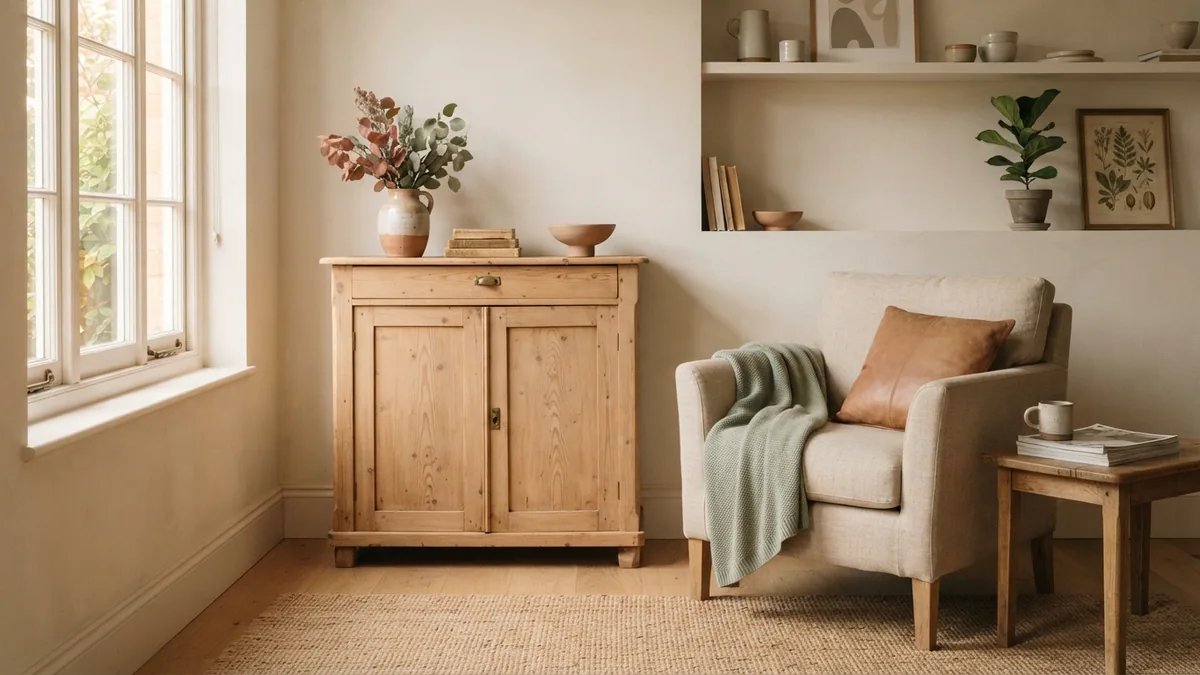
Compare furniture payment plans with care
Cash is often the simplest way to buy furniture. It keeps the purchase within your budget and avoids interest charges. If you cannot pay the full cost, compare store credit, personal loans, and installment plans. Read the full terms before choosing.
Store credit may offer a short interest-free period, but missed payments can trigger high charges. Check the rate after the offer ends and the due dates for each payment. A fixed installment plan should state the total cost, payment amount, and term. Avoid any plan that leaves these details unclear.
A personal loan may suit a large purchase when its rate and fees are lower than other options. Compare the total amount repaid, not just the monthly payment. A longer term can lower each payment but raise the overall cost. Do not borrow for décor or items you can delay.
To decide how to finance furniture for a new home, ask three questions: Can I cover the payment each month? What is the total cost? What happens if I pay late? If any answer is unclear, pause and ask the lender or store for written details.

Choose the right time to buy
Furniture prices often change during major sale periods and when shops clear old stock. Look for holiday sales, end-of-season offers, and clearance events. The exact timing varies by store, so compare prices over several weeks. A sale tag alone does not prove a good deal.
When to buy furniture for a new house depends on your move date and cash flow. Buy the bed and basic seating before moving day if delivery times are long. Wait on rugs, shelves, and accent pieces until you have lived in the space. You will make better choices after seeing how each room works.
Ask shops when new stock arrives and whether they discount display pieces. If you can wait, request a quote and check whether the price changes during the next sale. Keep a note of the usual price. This makes it easier to spot a real markdown.
Do not rush into a large purchase because a discount ends today. Check the return window, delivery date, and any restocking fee. A modest discount is not worth a poor fit or an unwanted item.
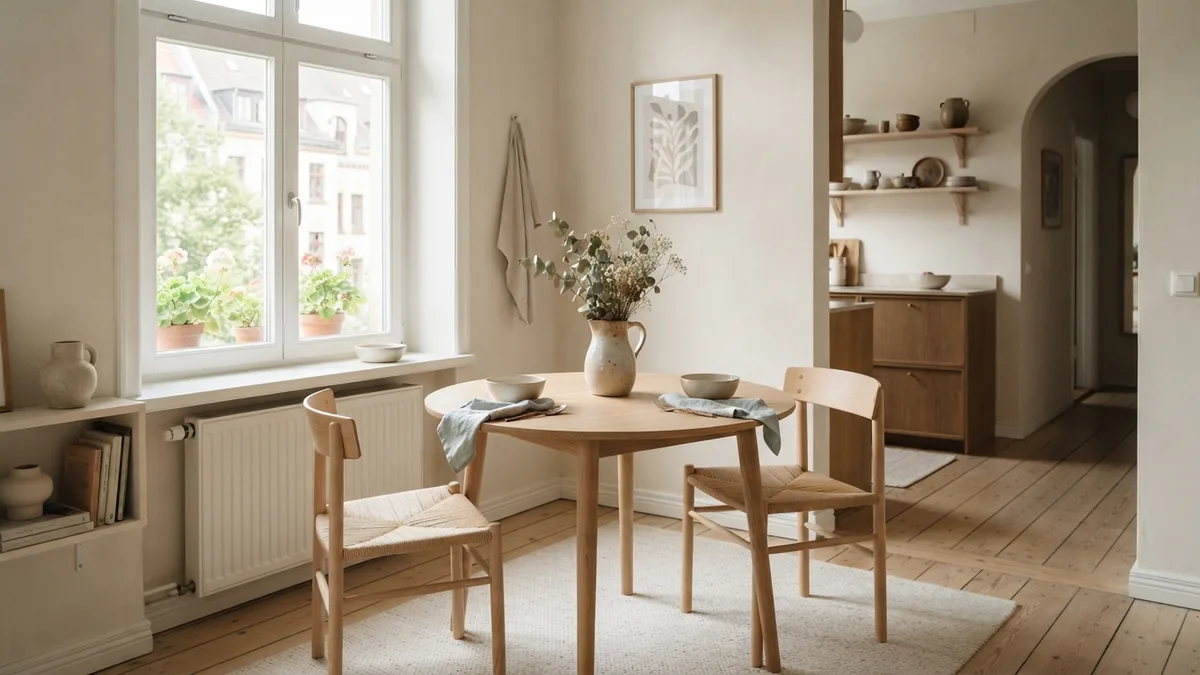
Buy the essentials before the extras
Essential furniture for new homes depends on who lives there and how each room will be used. Start with a safe place to sleep, a spot to sit, and a surface for meals. Add storage where clutter would block daily tasks. Build the rest over time.
| Area | Buy first | Can wait |
|---|---|---|
| Bedroom | Bed frame, mattress, basic storage | Bedside tables, bench, extra drawers |
| Living room | Sofa or chairs, lamp, small table | Extra seats, media stand, décor |
| Dining area | Table and enough chairs for daily meals | Large set, serving cabinet |
| Entryway | Hooks or a small shoe rack | Console table, decorative mirror |
Think about how many people use each space every day. A small dining table may suit a couple better than a large set. A sturdy sofa bed can help guests without taking up a spare room. Choose pieces that solve real problems.
Check room size before choosing bulky furniture. Leave clear paths between doors and main pieces. If you can, mark the furniture footprint on the floor with tape. It is a quick way to test the fit.
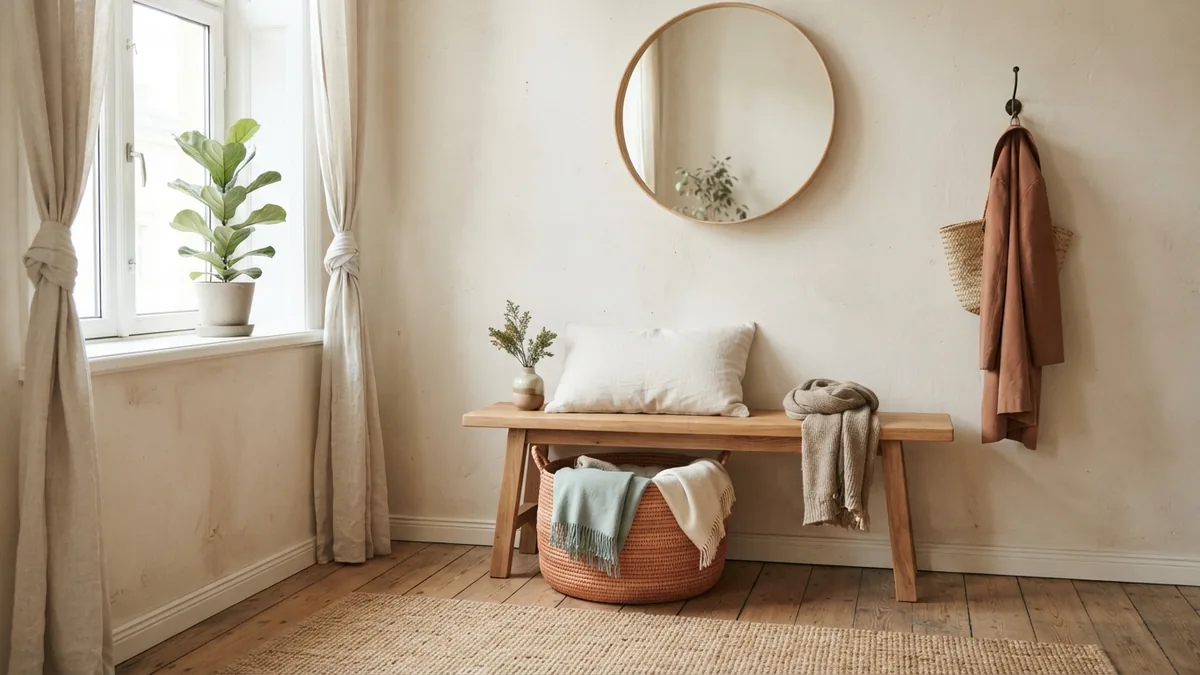
Shop second-hand with a careful eye
Second-hand furniture can save money and bring character into a new home. Look for solid wood, sound joints, and parts that are easy to replace. Scratches and faded finishes are often simple to fix. Wobbly frames or water damage can be harder to repair.
Inspect each piece in person when possible. Open drawers, test hinges, and check the underside for cracks or signs of pests. For upholstered items, look closely at seams and cushions. Ask about smoke, damp, and pet exposure.
Get the exact measurements and confirm how the item will reach your home. Ask the seller to hold the piece only after you agree on a pickup plan. For costly items, compare the asking price with similar listings. Leave if the condition does not match the description.
Use simple checks before you pay:
- Test every drawer, door, hinge, and moving part.
- Check for musty smells, damp marks, and loose joints.
- Confirm pickup costs and whether help is needed to carry it.
- Clean the piece well before bringing it into your home.
Some second-hand finds need only a fresh coat of paint or new knobs. Set a repair limit before buying. If the work costs more than a similar ready-to-use piece, keep looking.
Make the home comfortable without overspending
A comfortable room does not need a full matching set. Mix a few well-made basics with useful second-hand finds. Repeat colors and materials to make the room feel joined up. Soft lighting, curtains, and cushions can also change the mood without a large spend.
Give each purchase a job. A shelf can add storage and display space, while a bench can offer seating and hold shoes. Choose flexible pieces if you expect your needs to change. A small table that works in more than one room can earn its place.
Keep a short wish list for items that can wait. Add the size, target price, and reason for each piece. Check the list after a few weeks. If you no longer want an item, you have saved money and space.
When you buy a house, it usually does not come with furniture. The sale may include built-in cupboards or fixed fittings, depending on the property and local terms. Confirm what stays with the seller or agent before moving in. Plan your furniture budget around what the home actually includes.
Frequently asked questions
- How much should I budget to furnish a new house?
- Start with your savings and monthly bills, then price the essential pieces room by room. Add delivery, assembly, and a 10% to 15% cushion for extra costs.
- What furniture should I buy first for a new home?
- Start with a bed and mattress, basic seating, and a table for meals. Add storage next, then buy décor and extra pieces as your needs become clear.
- When is the best time to buy furniture for a new house?
- Compare prices during holiday sales, end-of-season discounts, and store clearance events. Buy urgent pieces before moving day, but wait on items you can choose after settling in.
- Is it worth buying second-hand furniture?
- It can be a good way to save money and find distinctive pieces. Check the frame, joints, smell, fabric, and transport cost before you agree to buy.
- What furniture financing options should I compare?
- Compare store credit, installment plans, and personal loans by total repayment cost. Check the rate after any offer period and the fees for late payments.
- Does a house come with furniture when you buy it?
- Usually, a home sale does not include movable furniture. Built-in cupboards or fixed fittings may stay, so confirm the details with the seller or agent.
Related reading

Couch Placement — Comfort, Flow, and Style
Arrange couches for easy movement, good conversation, and a balanced room.
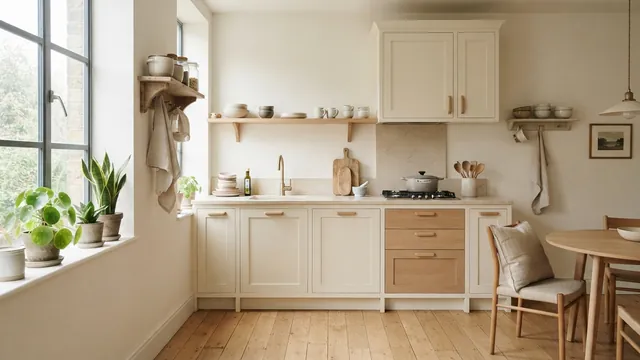
Small Kitchen Design — Light, Space and Smart Storage
Use light, smart storage, and slim furnishings to make a small kitchen feel more open.
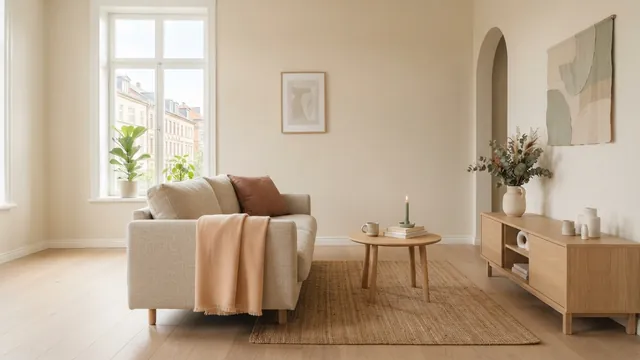
Living Room Paint — Measurements and Buying Tips
Measure your walls, count coats, and buy the right amount of living room paint.