Turn an Empty Living Room Corner Into a Useful Retreat
Give an empty living room corner style, purpose, and warmth.
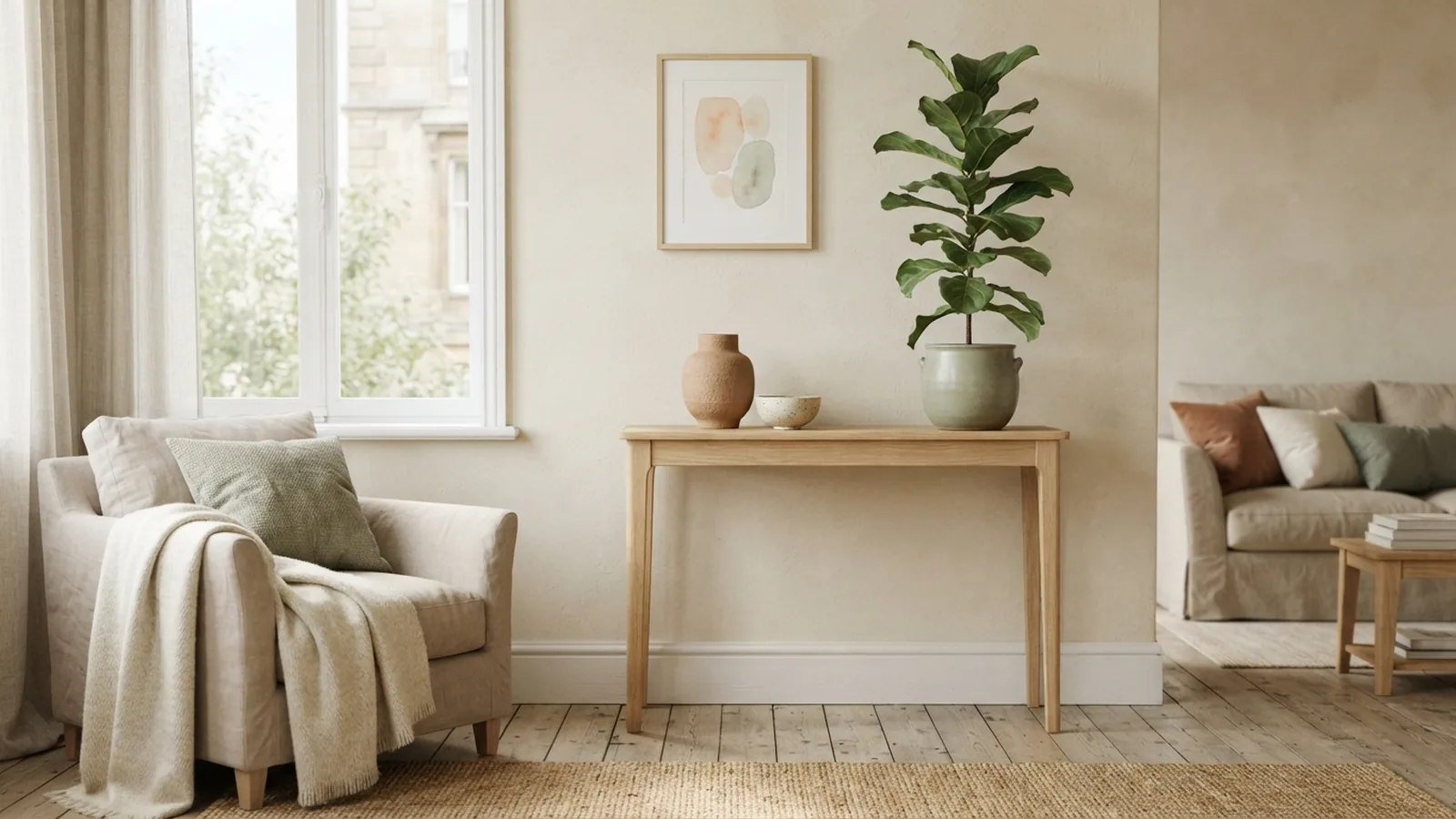
Understand the Corner Before You Decorate
Empty corners can change a room when you give them a clear role. Start by studying the light, floor space, and nearby furniture. A bright corner suits plants or a reading chair. A darker spot may need a lamp, mirror, or pale art.
Watch how people move through the room. Keep about 30 inches for a clear walking path. Measure the wall width and floor depth before you shop. These checks stop large corner furniture from crowding the room.
Ask what the space should do. It might hold books, add height, hide a bare wall, or create a quiet seat. A clear purpose makes decorating corners in a room much easier.
The same method works in other parts of the home. It can guide how to decorate corner of bedroom spaces, too. For a small kitchen, use the same care when you plan how to decorate corner of kitchen counter areas. Keep food prep space clear and choose small items that serve a real use.
- Check light levels at different times of day.
- Measure the floor area and wall width.
- Keep paths open around the corner.
- Choose one main purpose before buying decor.
Build a Simple Corner Decor Plan
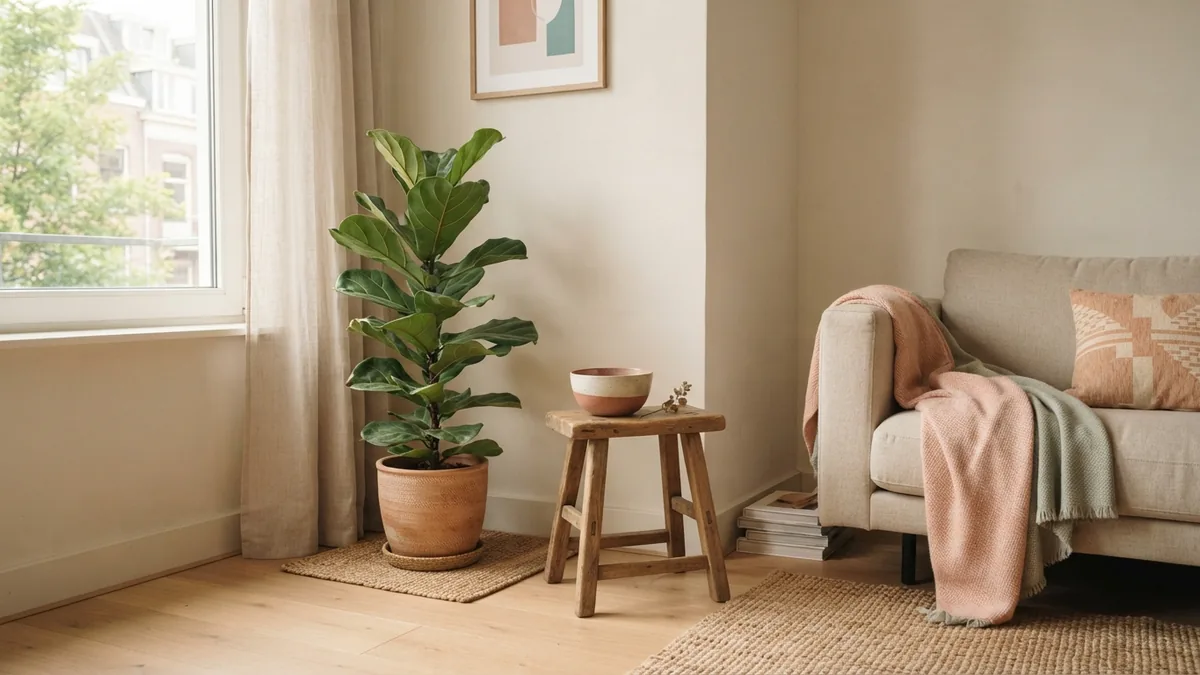
Good living room corner decor often needs one tall item, one useful item, and a few accents. This mix creates balance without filling every inch. Pair a tall plant with a small stool and a ceramic bowl.
Use the room’s colors as your guide. Warm cream, pale oak, soft sage, and muted terracotta suit calm homes. Repeat one nearby color in a cushion, vase, or frame.
Keep the largest piece close to the corner. Place smaller objects toward the open side. This layout fills the space while keeping the room easy to use.
If you wonder how to decorate a corner in living room spaces, begin with scale. A tiny object will look lost beside a tall sofa. One strong shape gives the eye a place to rest.
- Choose one main focal point.
- Add one item with a clear use.
- Limit small accents to three or four pieces.
- Leave some wall and floor space visible.
Use Furniture That Earns Its Space
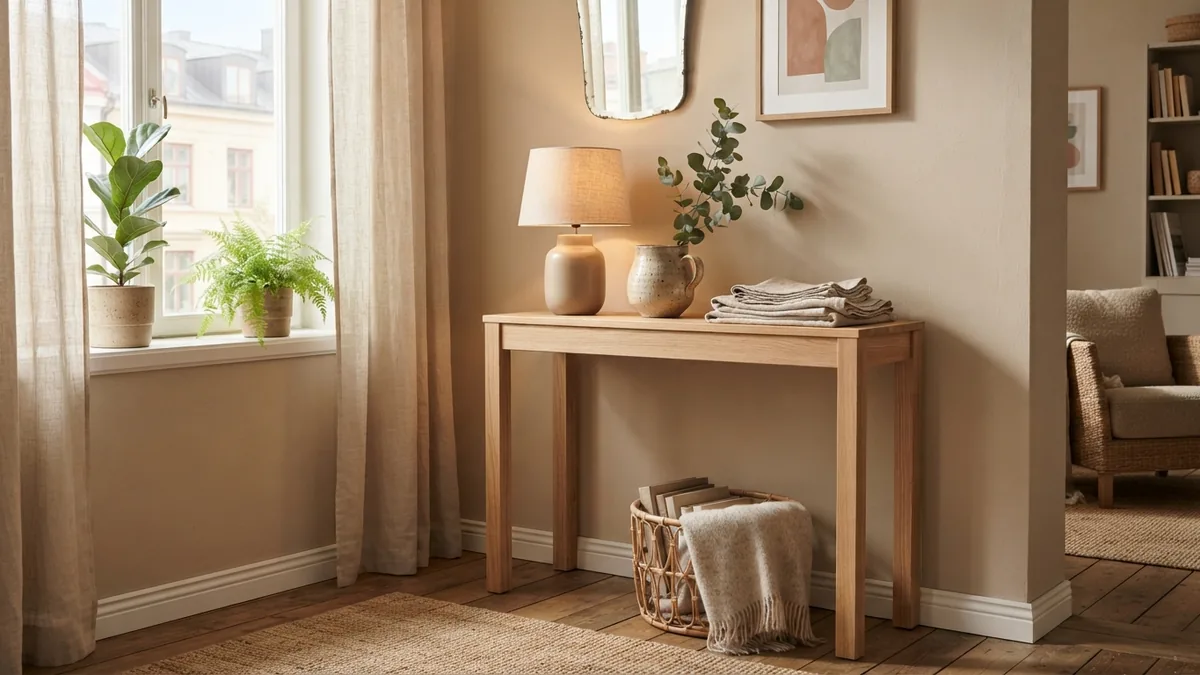
A console table can turn an empty corner into a useful landing spot. Choose a narrow model about 10 to 14 inches deep. It can hold a lamp, keys, baskets, and a few chosen objects.
Look for a console with a lower shelf or drawers. Closed storage keeps the room calm. Open storage gives you space for baskets, books, or folded throws.
A small cabinet works well in a larger corner. Pick one with doors if you need to hide cables or spare items. Keep its top lightly styled so it does not become a clutter pile.
Corner furniture should support the room, not block it. Mark its footprint on the floor with painter’s tape. Live with that outline for a day before you commit.
Small spaces need furniture with more than one job. A stool can hold a plant, then serve as spare seating. A bench can store blankets while adding a soft place to sit.
- Mark the furniture size on the floor.
- Check the path around every side.
- Choose storage for items you use often.
- Style the top with restraint.
Add Greenery and Plants
Potted plants add color, texture, and height to an unused corner. A Fiddle Leaf Fig makes a strong focal point beside a sofa. Its broad leaves soften hard wall lines and fill vertical space.
A Snake Plant suits corners with less daylight. Its narrow shape works well beside a cabinet or chair. Choose a pot with a wide base so the plant stays stable.
Match the plant size to the corner. A tall plant should sit in a simple pot with room around its leaves. For a small corner, use a plant stand with one trailing plant.
Check care needs before you buy. Place plants near suitable light, but avoid hot sun through glass. Use a saucer under each pot to protect wood and flooring.
| Corner type | Good choice | Why it works |
|---|---|---|
| Bright and open | Fiddle Leaf Fig | Adds height and bold leaf shape |
| Low light | Snake Plant | Needs little care and stays upright |
| Small floor area | Plant stand | Uses height instead of width |
Plant pots also help link the corner to the rest of the room. Choose matte ceramic, pale wood, or woven fiber. Avoid too many pot shapes in one small area.
Create a Cozy Reading Nook
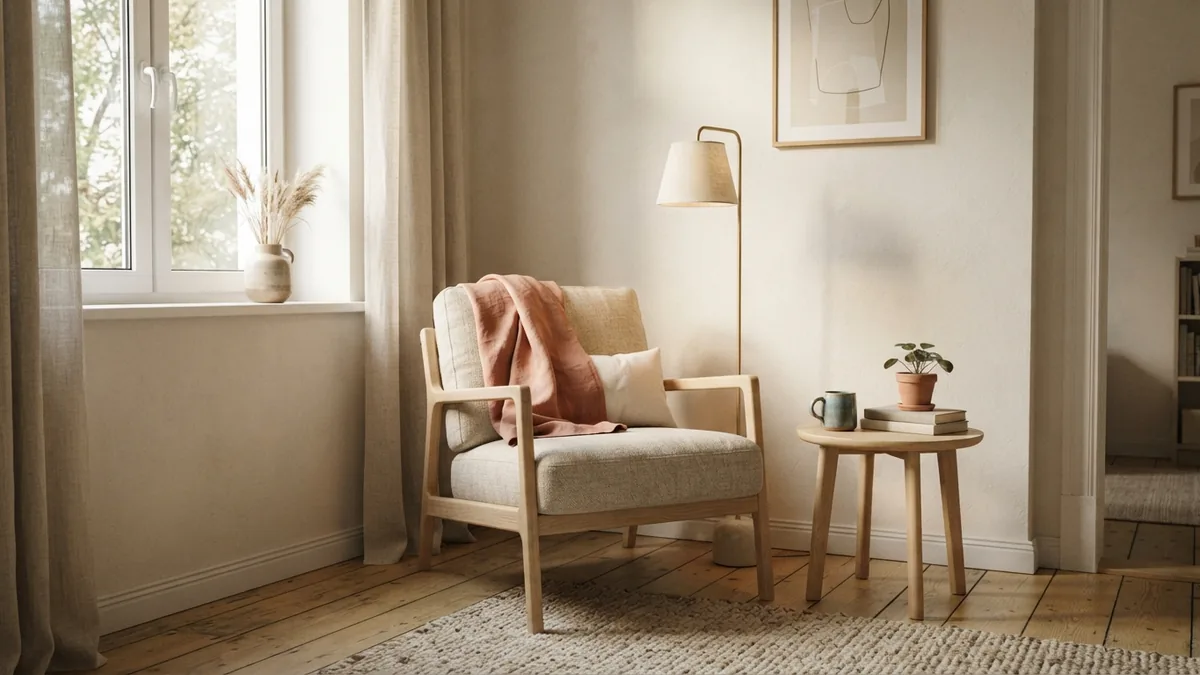
An accent chair can turn a forgotten corner into a personal retreat. Pick a chair that leaves about 18 inches between its front edge and the coffee table. This gap gives your legs and the walkway enough room.
Add a slim floor lamp beside the chair. Its shade should sit near shoulder height when you sit down. This gives useful light without shining into your eyes.
Finish the nook with a small side table and a soft throw. The table can hold a drink, book, or reading glasses. Angle the seat slightly toward the room for a more open feel.
If the corner is tight, choose a light-frame chair with raised legs. Pale wood and linen keep the nook airy. Avoid deep arms that make a small space feel closed.
This setup also shows how to decorate a corner in the living room without adding clutter. The chair gives the space a job. The lamp adds warmth. The table adds daily use.
- Choose a chair that fits the walking path.
- Place the lamp on the chair’s easy-use side.
- Add one table for daily essentials.
- Use one throw or cushion for softness.
Shape the Wall With Art and Mirrors
Wall art can give an empty corner a clear point of focus. Use one large piece when the wall feels broad and plain. Center it about 57 inches from the floor to its midpoint.
A gallery wall suits a wider corner with two joining walls. Keep gaps near two to four inches for a linked look. Start with the largest piece, then add smaller works around it.
Decorative mirrors can reflect daylight and make a corner feel larger. Place one across from a window or bright wall when possible. A round mirror can soften a room filled with straight furniture lines.
Choose frames that relate to the room’s finish. Pale oak feels warm and relaxed. Brushed metal adds a small lift without making the corner feel cold.
Do not fill both walls by default. One strong piece may work better than several small items. Leave space around the art so the corner can breathe.
- Pick one wall as the main focus.
- Test the art size with paper shapes.
- Hang the center near eye level.
- Check the view from the sofa and doorway.
Maximize Vertical Space
Floating shelves use wall height without taking floor space. They suit small items, trailing plants, framed art, and a few books. Keep the shelf depth modest so the corner stays open.
Install shelves above a console, chair, or low cabinet. Use two or three shelves with uneven spacing for a relaxed look. Keep the heaviest objects on the lowest shelf.
Mix tall, low, smooth, and textured items. A small vase can sit beside a stack of books. A trailing plant can soften the shelf edge.
Vertical decor works in a bedroom as well as a living room. If you ask how to decorate a corner in a bedroom, start with a slim shelf or narrow cabinet. Keep bedside routes clear and avoid items that can fall near the bed.
These ideas answer how to decorate a corner of a room without wasting useful floor area. They also offer empty corner solutions for apartments. Build upward, then stop before the wall feels busy.
- Use shelves for light, small objects.
- Place heavy items on lower levels.
- Leave gaps between groups.
- Repeat one color from the room.
Finish the Corner With Balance
Step back and judge the corner from several views. Check it from the sofa, doorway, and main walking path. The best corner decoration ideas look good from more than one angle.
Remove one item if the display feels crowded. Add a lamp if the area feels flat at night. Move a chair or table if the corner interrupts movement.
When learning how to decorate a corner living room area, aim for use and calm. A corner should feel linked to the room, not pasted onto it. The right plant, chair, shelf, or console can make the whole layout feel finished.
Frequently asked questions
- How do you decorate an empty corner in a living room?
- Give it one clear role, such as storage, seating, or display. Then add one main item and a few supporting accents.
- What furniture works best in a living room corner?
- Narrow consoles, small cabinets, accent chairs, and compact benches work well. Check their depth before you buy.
- What plants are good for a living room corner?
- Fiddle Leaf Figs add height in bright spots. Snake Plants suit corners with less daylight and need little care.
- How do you decorate a corner in a bedroom?
- Try a slim shelf, small plant, narrow cabinet, or reading chair. Keep the route beside the bed clear.
- How can mirrors make a corner look bigger?
- Place a mirror across from a window or bright wall. It can reflect light and make the area feel more open.
Related reading
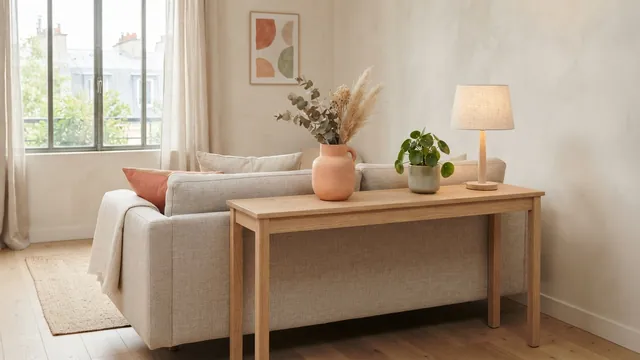
Console Tables — Placement, Styling and Smart Storage
Choose the right spot, size, and styling for a console table that works.
Small Kitchen Costs — Prices, Choices and Budget Tips
Compare small kitchen prices, key cost drivers, and ways to keep a remodel on budget.
Dining Table Clearance — Space for Chairs and Walkways
Plan table and chair clearances for a dining area that feels comfortable.