Small Kitchen Cabinet Costs, Colors, and Smart Design Choices
Plan small kitchen cabinet costs with clear prices, color ideas, and space-saving tips.
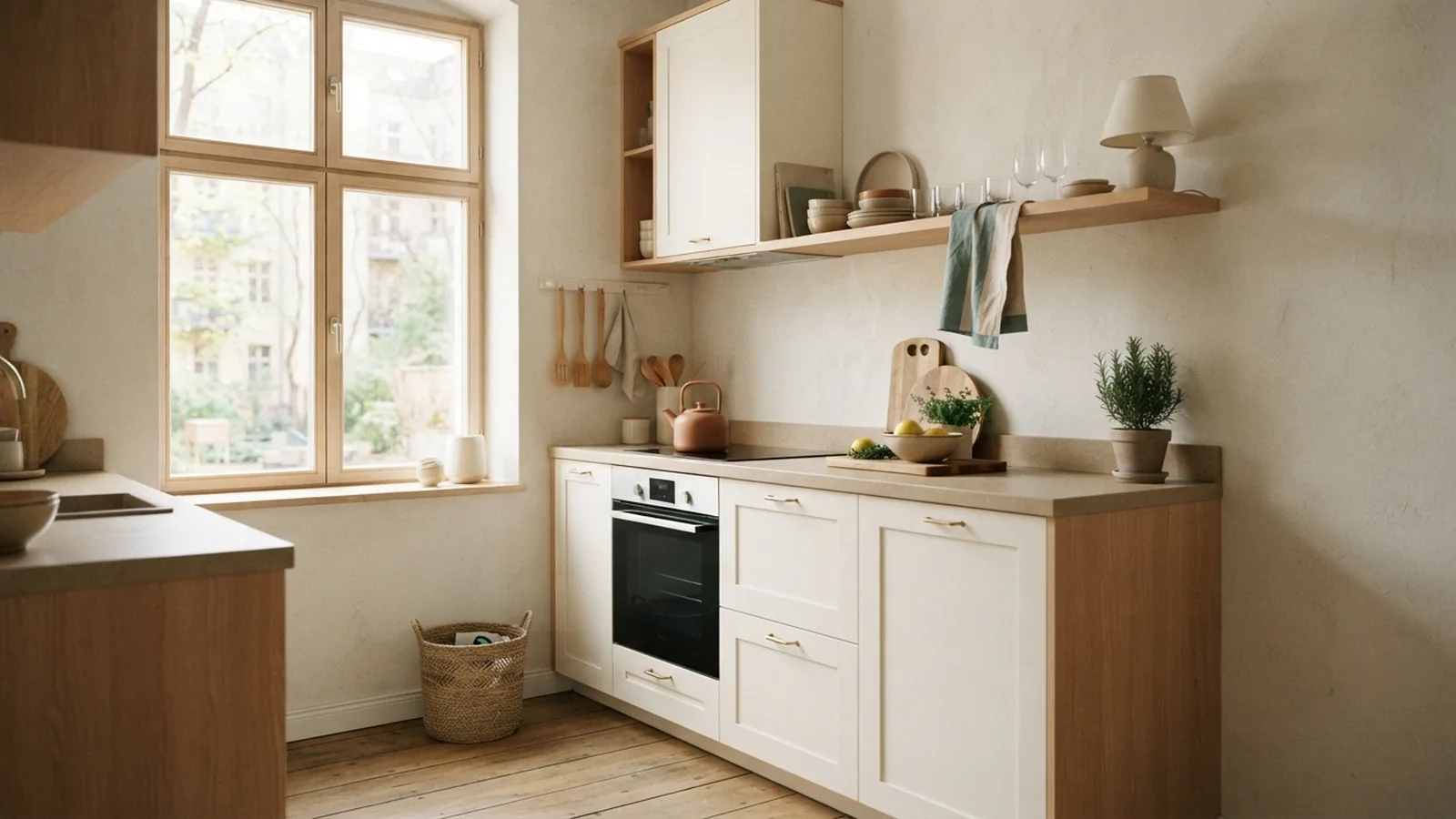
What Drives the Price of Small Kitchen Cabinets?
How much are cabinets for a small kitchen? Most homeowners spend $3,000 to $10,000 for cabinets and fitting. Stock cabinets sit near the low end of that range. Custom work can push the price above $15,000.
Your kitchen size matters, but it does not set the whole price. A small room may need fewer cabinets, yet tight corners can need skilled work. Odd walls, sloped ceilings, and moved plumbing can raise labor costs fast.
Cabinet material also shapes the bill. Laminate and thermofoil offer low-cost finishes with easy upkeep. Wood veneer costs more, while solid wood often sits at the top of the range.
- Stock cabinets: about $100 to $300 per linear foot
- Semi-custom cabinets: about $150 to $700 per linear foot
- Custom cabinets: about $500 to $1,500 or more per linear foot
A linear foot means one foot of cabinet run. It helps compare prices across different kitchen layouts. Ask each supplier whether the quote covers wall cabinets, base cabinets, or both.
Average Cabinet Costs for a Small Kitchen
A small kitchen often has 10 to 20 linear feet of cabinet space. Stock units may cost $1,500 to $5,000 for the cabinets alone. Semi-custom units may cost $3,000 to $9,000 before fitting.
Custom cabinets can cost $7,000 to $20,000 in the same room. The final cost depends on doors, drawers, finish, and inside storage. A small footprint does not prevent a high-end design.
| Cabinet type | Cabinet-only cost | Best fit |
|---|---|---|
| Stock | $1,500–$5,000 | Low-cost updates |
| Semi-custom | $3,000–$9,000 | More sizes and finish choices |
| Custom | $7,000–$20,000+ | Hard layouts and tailored storage |
Installation can add $2,000 to $6,000 in a small kitchen. Removal, delivery, trim, and waste fees may add another $500 to $2,000. Get these items listed as separate lines in your quote.
For example, a stock set might cost $3,200. Fitting could add $2,400, with $800 for removal and trim. The project total would then reach about $6,400.
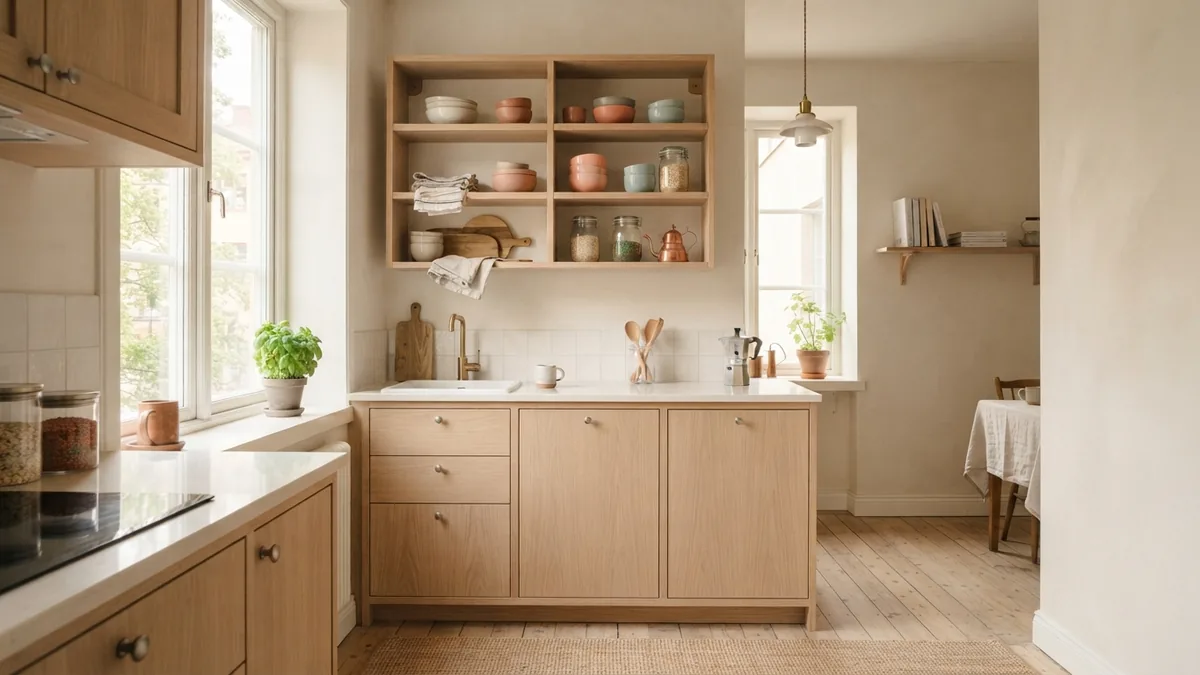
How Much Does It Cost to Replace Cabinets?
How much to replace cabinets in a small kitchen? A full replacement often costs $5,000 to $15,000. This range includes new cabinets, removal, fitting, and basic finishing work.
Replacement costs rise when you change the layout. Moving a sink may need new water lines and a new worktop. Adding an island can also bring floor work, lights, and extra storage costs.
Cabinet refacing costs less than full replacement. Refacing keeps the cabinet boxes but adds new doors and drawer fronts. Many small kitchens cost $3,000 to $8,000 for this route.
- Removal: Allow $300 to $1,000 for old cabinet tear-out.
- New units: Set aside $1,500 to $20,000, based on the cabinet type.
- Fitting: Plan for $2,000 to $6,000 in labor and site work.
- Finishing: Add money for trim, handles, fillers, and touch-ups.
Keep the sink, cooker, and fridge in place when possible. This choice cuts work and lowers risk. It also leaves more money for drawers and better lights.
Replace worn boxes when they sag, swell, or hold water damage. Choose refacing when the boxes remain square and dry. A cabinet pro can check this before you order new fronts.
Which Cabinet Colors Work Best in Small Kitchens?
What color cabinets for small kitchen spaces works best? Soft white, warm cream, pale sage, and light oak are safe picks. They reflect daylight and help the room feel open.
Warm white can look cleaner than bright blue-white in a home with cream walls. Pale green adds color without making the room feel tight. Light wood brings warmth while keeping a calm, airy look.
What color to paint cabinets in a small kitchen depends on the light. Test a sample on two walls before you paint every door. Check it in the morning, afternoon, and evening.
- Warm white: brightens dark corners and suits many worktops
- Soft beige: adds depth without a sharp contrast
- Pale sage: brings gentle color and works with oak
- Light oak: adds grain, warmth, and a natural feel
- Muted peach: adds a soft glow in homes with warm light
Use one main cabinet color in a very small room. Too many changes can break up the space. If you want contrast, use a darker tone on a short island or one base run.
Matte finishes help hide small marks and feel calm. Avoid very dark colors on every cabinet in a low-light kitchen. They can make the room feel closed in.
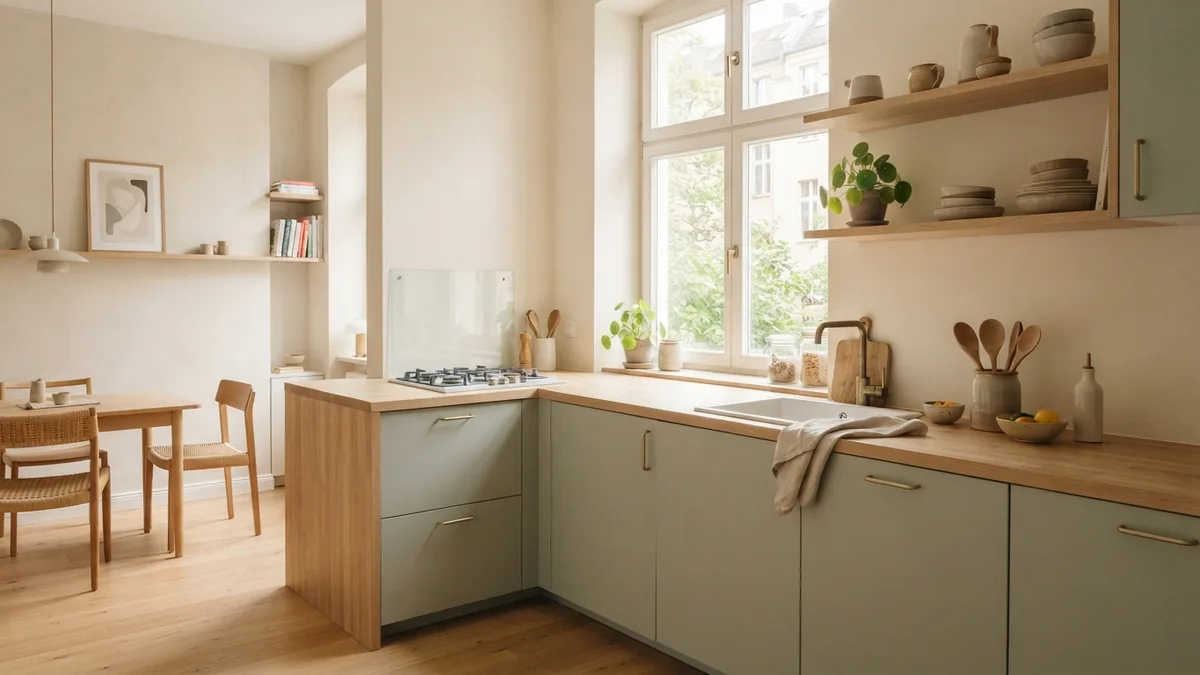
Design Choices That Make Small Kitchens Work Harder
Good cabinet design can add storage without making the room feel full. Use drawers below the worktop for pans, plates, and food. Drawers often give easier access than deep base cupboards.
Take cabinets to the ceiling when the room allows it. The upper area can store serving items used only a few times each year. This choice also removes the dust gap above the cabinets.
- Choose a slim pull-out for oils, spices, or trays.
- Use a corner drawer or swing-out shelf for hard-to-reach space.
- Add a tall pantry beside the fridge when wall space is limited.
- Use open shelves only where you can keep them tidy.
- Pick simple handles that do not catch on nearby doors.
Ask about cabinet fillers before the design gets signed off. Fillers close gaps beside walls and appliances. Without them, doors may clash or fail to open fully.
Keep the work path clear between the sink, fridge, and cooker. A good plan matters more than adding one extra cupboard. Leave enough room for doors, drawers, and safe movement.
Use the same finish on wall and base cabinets for a smooth view. Glass doors can lighten one short run, but they need neat storage. A shallow cabinet may work better than shelves in a narrow passage.
How to Set a Cabinet Budget Before You Shop
Start with the cabinet run, not a wish list of finishes. Measure each wall in feet and note doors, windows, pipes, and vents. Then mark the units you must keep near the sink and cooker.
Set a full project budget before comparing door styles. A useful split is 40% for cabinets, 20% for fitting, and 40% for worktops, appliances, and site work. Your room may need a different mix.
- Measure the room and count the cabinet feet.
- Choose stock, semi-custom, or custom units.
- Price fitting, removal, delivery, trim, and waste.
- Keep 10% to 15% aside for hidden problems.
- Compare two or three itemized quotes.
Do not compare a cabinet-only quote with a full-service quote. One may exclude handles, fillers, end panels, or tax. Ask who will measure the room and fix errors.
Spend first on strong boxes, smooth drawers, and useful storage. You can save on costly finishes or extra display units. A simple door in a good layout often beats a premium door in a poor one.
Small kitchens reward careful planning. Get the layout right, then choose the look. That order helps control cost without giving up style.
Frequently asked questions
- How much are cabinets for a small kitchen?
- Most small kitchens cost $3,000 to $10,000 for cabinets and fitting. Custom units can raise the total above $15,000.
- How much does it cost to replace cabinets in a small kitchen?
- A full replacement often costs $5,000 to $15,000. The price includes new units, removal, fitting, and basic finishing work.
- What is the average cabinet price per linear foot?
- Stock cabinets cost about $100 to $300 per linear foot. Semi-custom units cost $150 to $700, while custom work can exceed $1,500.
- What color cabinets make a small kitchen look bigger?
- Warm white, cream, pale sage, and light oak can make a small kitchen feel brighter. Use one main tone for a smoother view.
- Should I choose custom or stock cabinets for a small kitchen?
- Stock cabinets suit simple layouts and tight budgets. Custom cabinets help with odd walls, narrow gaps, and special storage needs.
- How can I lower the cost of small kitchen cabinets?
- Keep the current layout when possible. Choose stock units, compare itemized quotes, and spend on storage before costly finishes.
Related reading
Small Kitchen Costs — Prices, Choices and Budget Tips
Compare small kitchen prices, key cost drivers, and ways to keep a remodel on budget.
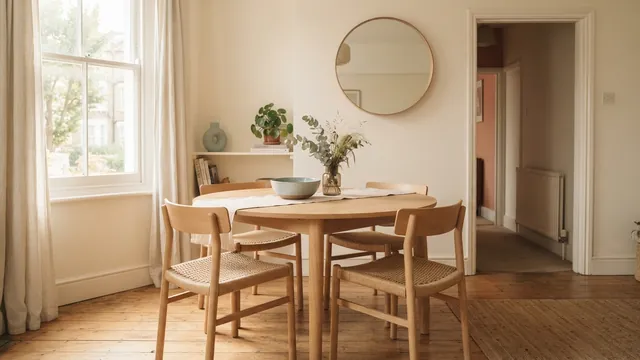
Dining Table Clearance — Space for Chairs and Walkways
Plan table and chair clearances for a dining area that feels comfortable.
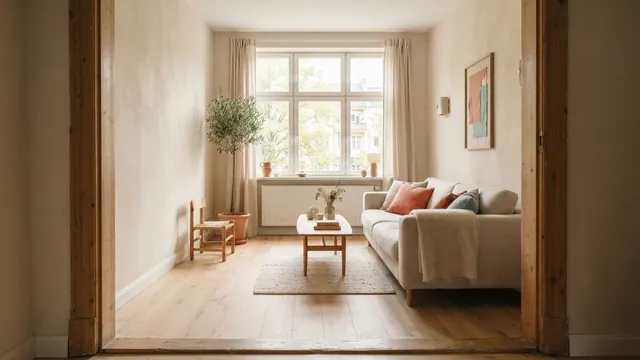
Narrow Rooms — Paint, Light and Space
Use paint, light and smart furniture placement to open up a narrow room.