A Responsible Guide to Small Kitchen Appliance Disposal
Recycle, donate, or safely dispose of old kitchen appliances.
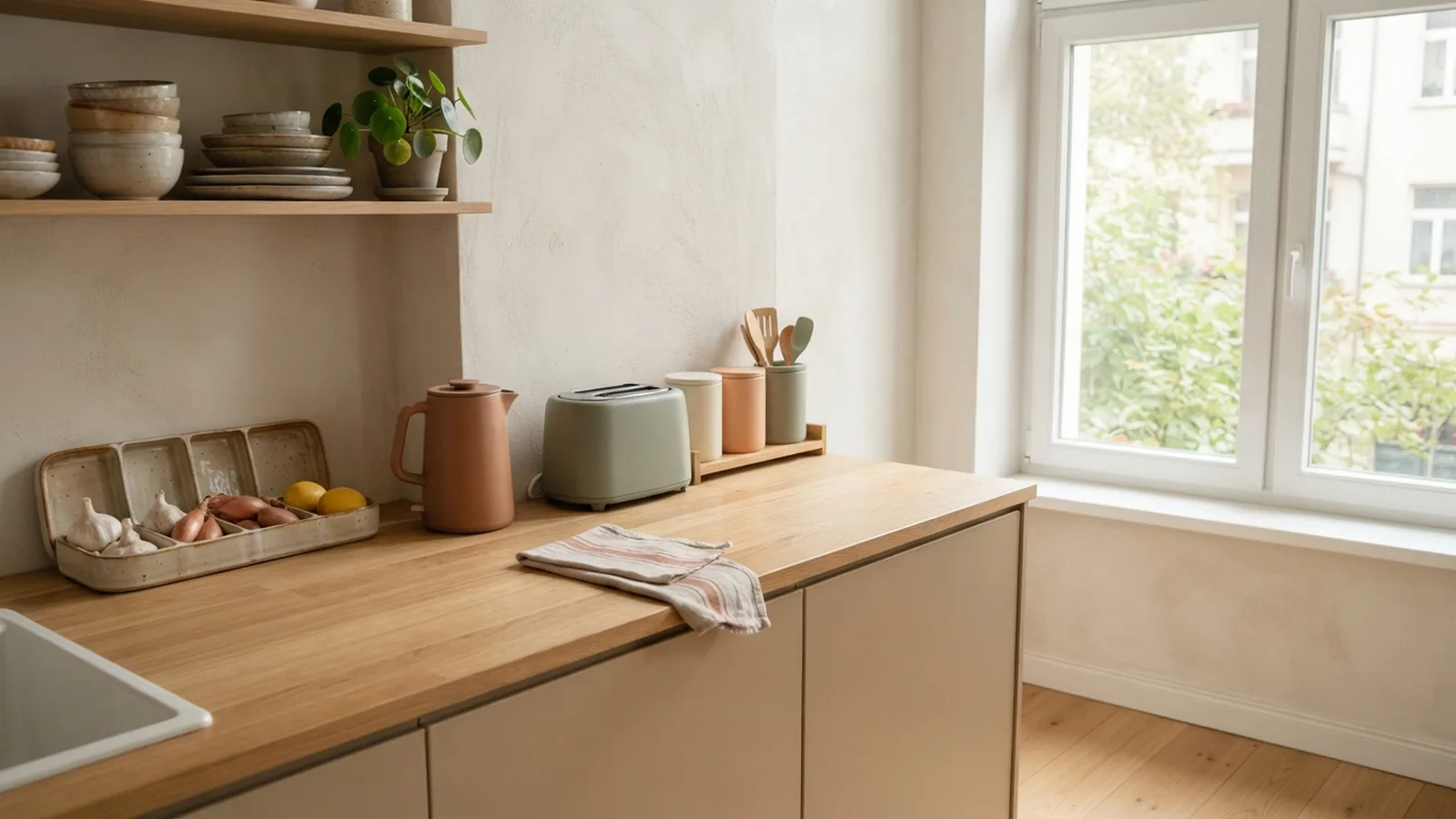
Options for Disposing of Small Appliances
The best way to dispose of small kitchen appliances depends on their condition and parts. Donate or sell working items first. Recycle broken items through an e-waste or scrap metal program. Use a local hazardous waste service for items with batteries or unsafe fluids.
Blenders, toaster ovens, coffee makers, mixers, and kettles often contain metal, glass, plastic, and wiring. These parts may have value in a recovery plant. Do not place every appliance in your household recycling bin. Many curbside systems cannot sort these mixed materials.
Start by checking your town, county, or waste company website. Search for appliance drop-off rules and collection dates. Ask what the site accepts before you drive there. Rules can vary even between nearby towns.
- Give away clean, working items through a charity or community group.
- Sell useful appliances through a local marketplace.
- Take broken units to an e-waste or scrap metal site.
- Use a household hazardous waste event for batteries or risky parts.
Recycling Small Kitchen Appliances
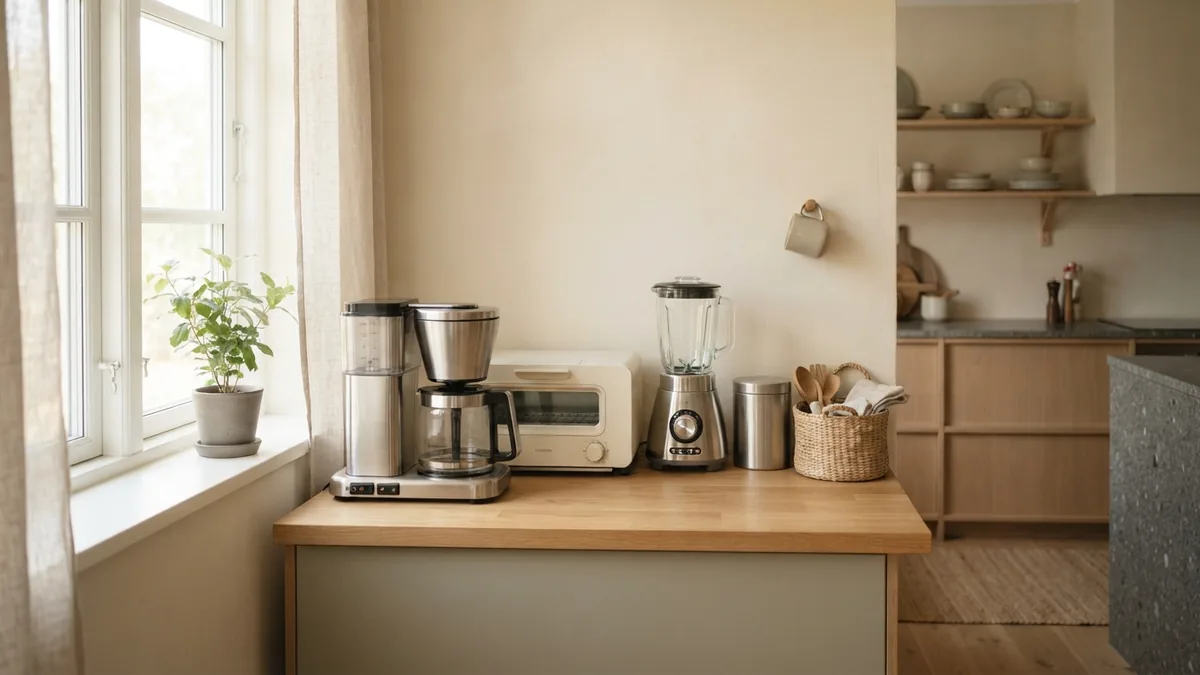
Small appliance recycling options often include e-waste centers, metal yards, and store take-back programs. A blender may go to an e-waste site because it has a motor and circuit parts. A toaster oven may go to a scrap metal site if the site accepts small electrical goods.
Call the site before loading your car. Ask if it takes cords, glass jars, heating parts, and rechargeable batteries. Some centers charge a small fee for certain items. Others accept them at no cost during set collection days.
Prepare each item before drop-off. Unplug it and remove food, water, and loose debris. Keep glass parts separate when the site asks for that step. Do not take apart sealed motors or power units unless the site gives clear advice.
The U.S. Environmental Protection Agency explains safe ways to donate and recycle electronics in its electronics donation and recycling guide. Its advice supports reuse first, then recycling through trusted programs.
How to prepare an appliance for recycling
- Check the cord, plug, and body for damage.
- Remove food, water, grease, and other residue.
- Take out batteries if the design allows safe removal.
- Keep parts together unless the recycling site says otherwise.
- Confirm the drop-off rules before you leave home.
Donating or Selling Working Appliances
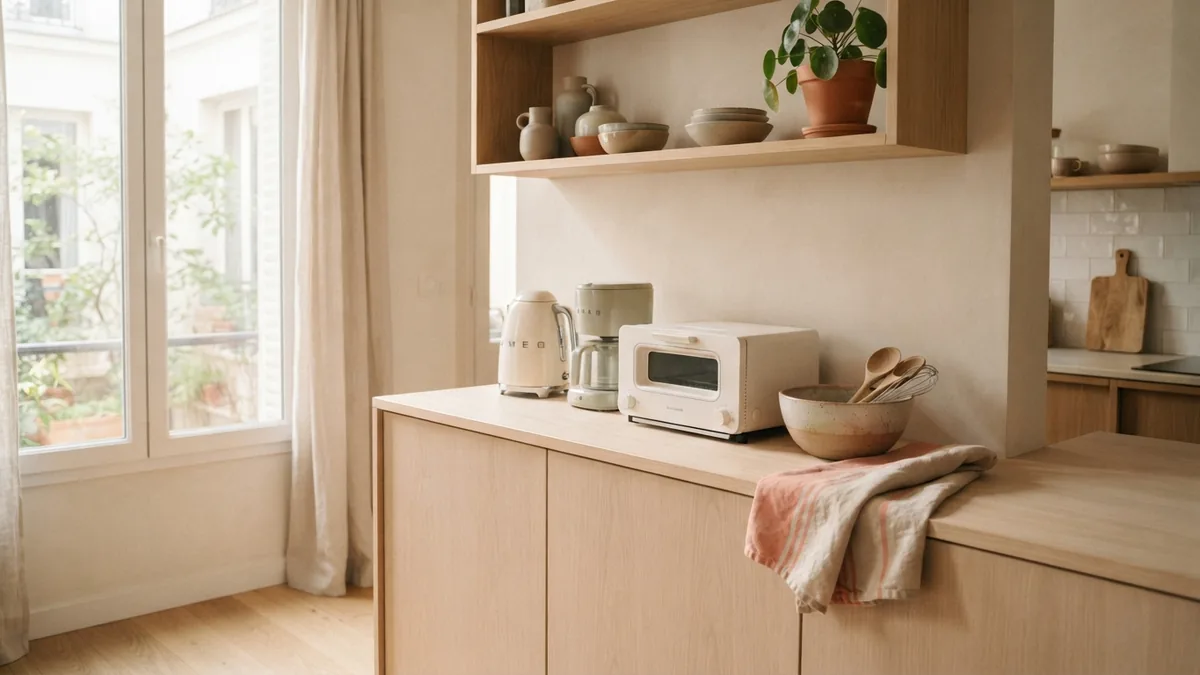
Working appliances should stay in use when possible. You can donate small kitchen appliances to thrift stores, shelters, reuse groups, or charity shops. Some groups only accept clean items that pass a basic safety check. Contact the group first, since many sites have strict intake rules.
Community platforms can help you find a nearby buyer or recipient. List the make, model, age, and working state in plain terms. Show clear photos of the appliance from several angles. Mention missing parts, wear, or faults before arranging pickup.
Clean the item well before giving it away. Include the manual when you still have it. Remove stored settings and personal data from smart appliances. For a simple coffee maker or toaster, a quick test can build trust.
- Donate items that work safely and have all key parts.
- Sell newer items with strong demand and clean surfaces.
- Offer older items for free when repair may be needed.
- Recycle items that fail, spark, smell hot, or have damaged cords.
Check for Batteries and Hazardous Components
Some appliances need extra care before disposal. Cordless blenders, kitchen scales, electric frothers, and smart cookers may contain lithium-ion cells. These cells can catch fire when crushed or placed in the wrong bin. Remove them only when the maker gives safe instructions.
Do not place loose batteries in household trash or curbside recycling. Cover exposed battery contacts with tape. Keep damaged, swollen, or leaking cells away from heat and metal objects. Ask your local household hazardous waste program where to take them.
Older equipment may also contain oils, lamps, sealed switches, or other risky parts. Do not burn, crush, or cut an appliance to reach them. A hazardous waste small appliances program may handle these units through a special event. Tell staff about damage or leaks when you arrive.
Find Local Disposal Resources
To find where to recycle small kitchen appliances near me, search your local waste authority first. Use terms such as “small appliance recycling” and your town name. Your county site may list drop-off centers, event dates, and accepted items. A waste hotline can often confirm the right route.
Retailers may also run take-back schemes for certain products. Some accept old items when you buy a replacement. Manufacturer sites may list mail-back or repair programs. Check shipping rules before sending an appliance with a battery.
| Resource | Best for | What to ask |
|---|---|---|
| Local recycling center | Broken units and mixed materials | Does it accept small electrical goods? |
| Scrap metal yard | Metal-heavy toaster ovens and kettles | Must cords or plastic parts be removed? |
| Household hazardous waste site | Batteries and damaged units | Are batteries accepted year-round? |
| Charity or reuse group | Clean working appliances | Does it test and resell them? |
Keep proof of any paid service or special pickup. Some landlords and towns set extra rules for shared buildings. Never leave an appliance beside a full recycling bin. It can block collection and expose workers to sharp or live parts.
Why Improper Disposal Causes Harm
Old appliances can release harmful substances when dumped, burned, or crushed without care. Batteries may start fires in trucks or sorting plants. Broken plastic can spread through soil and waterways. Metals can also move into the ground under poor disposal conditions.
Responsible recycling helps recover copper, steel, aluminum, and some plastics. Reuse saves the energy needed to make a replacement. Donation also gives a useful item a longer life. Small choices add up across many homes.
Safe disposal protects more than the environment. It also protects waste workers, repair staff, and other people near the waste stream. A few minutes of sorting can prevent a costly fire or injury. Choose reuse, repair, or a trusted drop-off before the trash bin.
FAQs About Small Appliance Disposal
Can small kitchen appliances go in the recycling bin?
Usually, no. Most curbside bins do not accept mixed electrical goods. Check your local waste rules or use a special appliance drop-off site.
Where can I recycle a coffee maker or blender?
Try an e-waste center, scrap metal yard, retailer take-back program, or local collection event. Call first to confirm the exact item and parts accepted.
Can I donate a small kitchen appliance with a damaged cord?
No. A damaged cord can create a shock or fire risk. Recycle the unit through a site that accepts broken electrical goods.
How should I dispose of an appliance with a lithium battery?
Remove the battery only when safe instructions allow it. Tape its contacts and take it to a battery or household hazardous waste program.
Do local governments collect small appliances?
Many do. Look for e-waste days, bulky-item events, or household hazardous waste services. Dates and accepted items vary by location.
Should I repair an old appliance before recycling it?
Repair makes sense when the unit has a simple fault and safe parts. Do not repair appliances with fire damage, exposed wires, or swollen batteries.
Frequently asked questions
- Can small kitchen appliances go in the recycling bin?
- Usually, no. Most curbside bins do not accept mixed electrical goods. Check local rules or use a special drop-off site.
- Where can I recycle a coffee maker or blender?
- Try an e-waste center, scrap metal yard, retailer take-back program, or local collection event. Call first to confirm what it accepts.
- Can I donate a small kitchen appliance with a damaged cord?
- No. A damaged cord can create a shock or fire risk. Recycle the unit through a site that accepts broken electrical goods.
- How should I dispose of an appliance with a lithium battery?
- Remove the battery only when safe instructions allow it. Tape its contacts and take it to a battery or household hazardous waste program.
- Do local governments collect small appliances?
- Many do. Look for e-waste days, bulky-item events, or household hazardous waste services. Dates and accepted items vary by location.
- Should I repair an old appliance before recycling it?
- Repair can make sense when the fault is simple and parts are safe. Do not repair units with fire damage, exposed wires, or swollen batteries.
Related reading
Bathroom Paint — Moisture, Finishes and Cost
Choose bathroom paint based on dampness, airflow, surface prep and finish.

Large Living Rooms — Comfort, Zones and Flow
Make a spacious living room feel warm, useful, and easy to move through.

Small Living Rooms — Layout, Light and Comfort
Make a small living room work better with smart layout, light, and storage.