How to Arrange Two Different Sofas in a Living Room
Pair two sofas with purpose, then arrange them for comfort and flow.
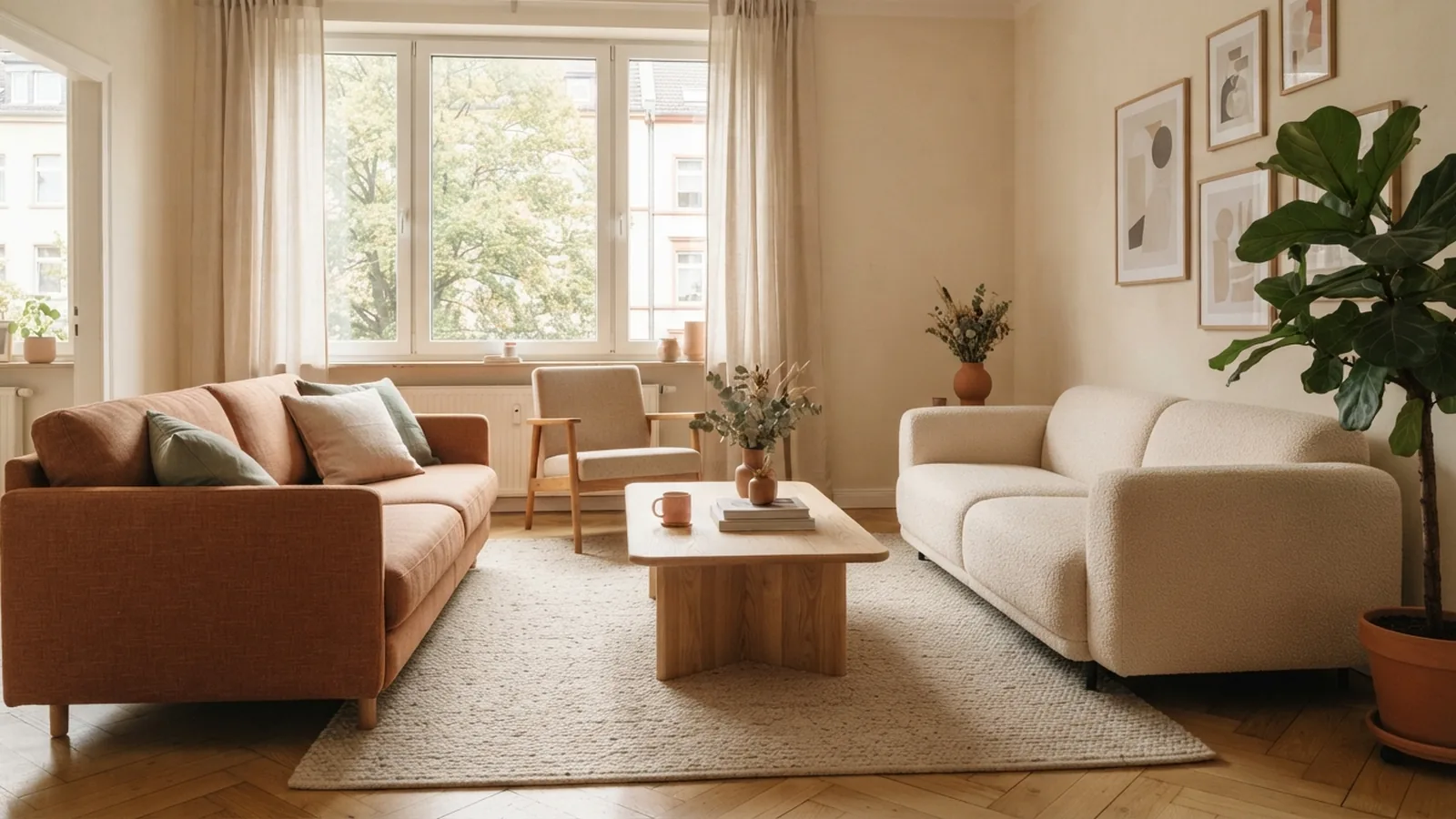
Choose Two Sofas That Work Together
To arrange two different sofas in a living room, look for a shared detail. The sofas can differ in shape, fabric, or color, but a link helps them feel like a pair. Try repeating a wood tone, a cushion color, or a similar leg style. Their sizes do not need to match.
Matching sofas give a room a calm, balanced look. An eclectic pair feels more personal, but needs a clear link. For example, pair a cream linen sofa with a smaller rust sofa, then repeat both shades in cushions or art. Similar seat heights also help the pieces feel connected.
Measure before you buy or move either sofa. Note the width, depth, and height of each piece. Measure doorways, walkways, and the space around windows, too. Painter’s tape on the floor can show how much room the sofas will take.
- Balance the scale: Avoid pairing a bulky sofa with a very delicate one.
- Repeat one detail: Use a shared color, wood tone, or shape.
- Pick a lead piece: Let one sofa stand out while the other supports it.
Pick a Sofa Arrangement That Fits the Room
Facing sofas make it easy to talk and share the space. Place them across from each other, with a coffee table between them. This arrangement suits square rooms and homes where conversation matters more than TV viewing. Keep the gap close enough for easy reach and comfortable seating.
An L-shaped layout suits many small rooms. Set the sofas at a right angle, with their ends meeting or nearly meeting. This uses a corner well and leaves the middle of the room more open. It also gives guests a shared place to sit without spreading furniture across the room.
Parallel sofas work well when a TV or fireplace is the main feature. To plan how to arrange two sofas in a living room with a TV, place both pieces toward the screen, but leave a clear route through the room. Check the viewing angle from each seat. Avoid putting a sofa where it blocks a doorway or cuts off the path to another room.
In an open-plan home, try a back-to-back setup. One sofa can face the TV, while the other faces a dining area or window. This helps mark two zones without building a wall. Leave a clear way into and out of both areas.
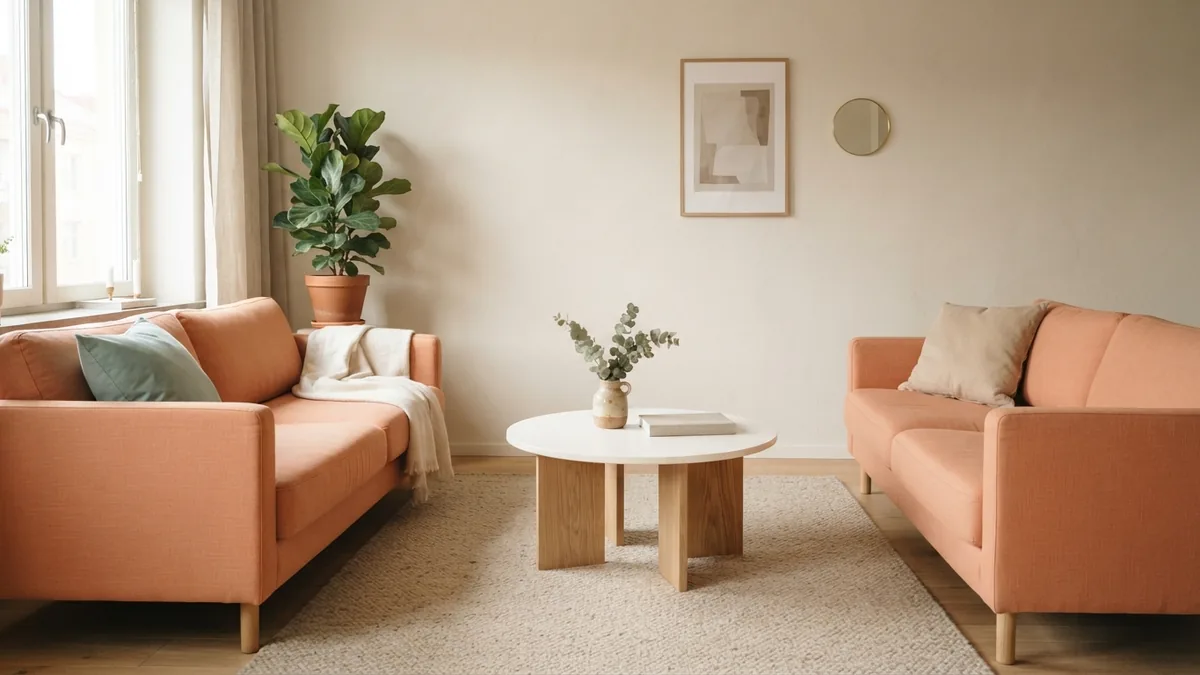
Make Two Sofas Work in a Small Living Room
When planning how to arrange two sofas in a small living room, start with the main walkway and the room’s focal point. An L-shaped pair often works well because it uses a corner and keeps the center open. Slim arms and raised legs can make the furniture feel less heavy. Deep seats and wide arms may take up more room than their size suggests.
Do not push every piece against a wall by default. A small gap behind a sofa can make the room feel less cramped, if the layout allows it. Keep door swings and the route across the room clear. Tape out the sofa footprints before moving heavy furniture.
Choose a compact coffee table, or use two small side tables. A round table can make it easier to pass through a tight gap. Two sofas already offer plenty of seating, so add chairs only if they serve a clear purpose.
- Keep the main path open from the door to the next room.
- Choose a rug that links the sofas without crowding the walls.
- Use nesting tables when you need extra surface space only now and then.
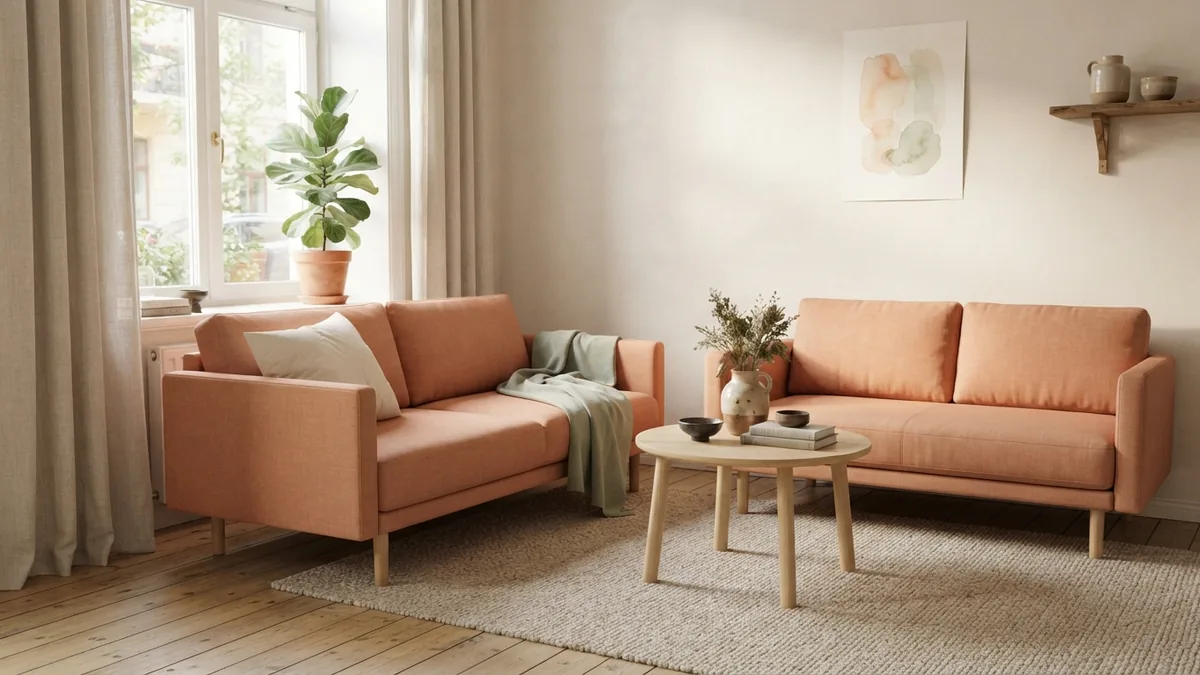
Coordinate Sofa Colors and Textures
A shared color plan helps different sofas sit well together. Start with the larger sofa, then choose a second shade that suits it. Cream and sage, beige and muted terracotta, or pale gray and warm wood are useful pairings. Repeat one or two of these tones elsewhere in the room.
Texture can link sofas even when their colors differ. Pair a plain cotton sofa with a linen one, or choose pieces with similar wood legs. If one sofa has a bold pattern, keep the other quiet. Too many strong prints can make a small room feel busy.
Check fabric samples in the room’s daylight before you settle on a palette. A shade can look different beside warm wood, pale walls, or a shaded window. Place samples near both sofas, then view them at different times of day. This simple step can prevent a color mismatch.
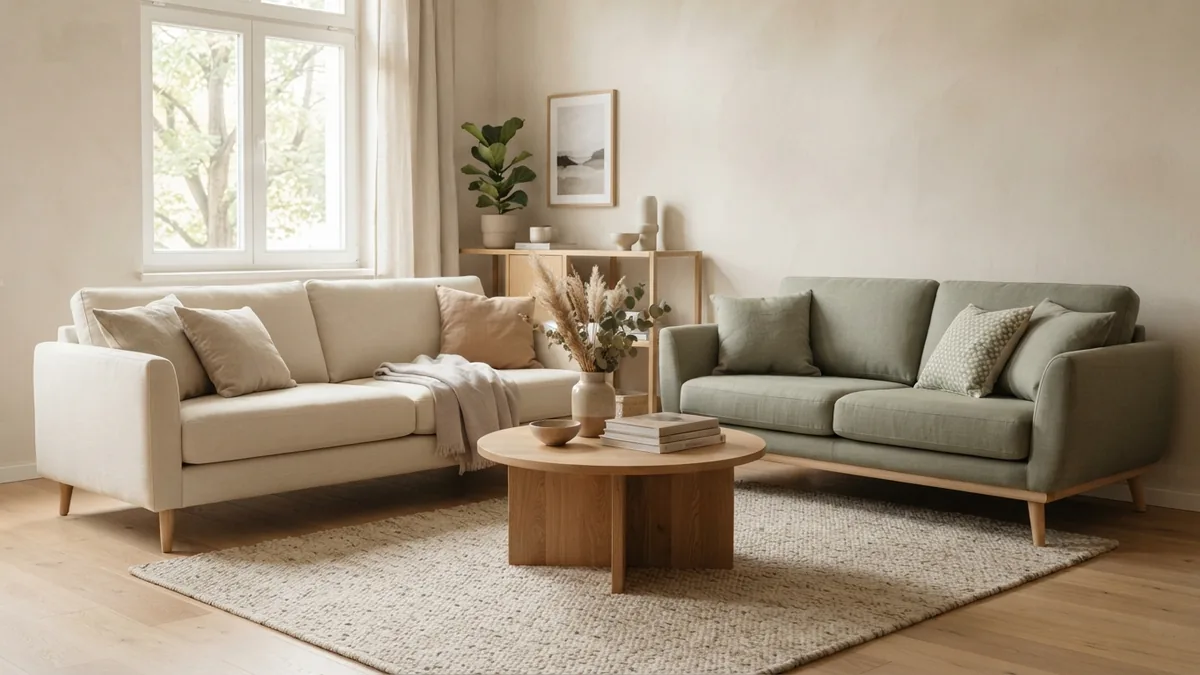
Add Accessories Without Adding Clutter
Pillows, rugs, and art can tie the seating area together while showing your style. Repeat one or two colors across both sofas, rather than giving each piece its own palette. For instance, put sage cushions on a cream sofa and a cream cushion on the sage sofa. The small repeat makes the pairing feel planned.
A rug can anchor the whole seating area. Choose a size that lets at least the front legs of both sofas sit on it. A rug that is too small can make the pieces feel separate. Art above one sofa can add focus, while a lamp or plant can balance the other side.
Keep surfaces useful and easy to reach. A coffee table should suit the gap between the sofas, not fill it. Add a few chosen objects, such as a ceramic bowl or a small stack of books. Leave open space around them.
Check Function and Flow Before You Finish
Good furniture placement lets people sit, talk, and move without effort. Walk the main route from each doorway to the next room. Sit on both sofas and check sight lines to the TV, fireplace, and windows. A layout can look neat but still feel awkward in daily use.
Make sure tables are easy to reach from the seats. Check that doors, drawers, and windows can open fully. If one sofa blocks a path, shift it or change the angle of the pair. Even a small adjustment can make the room easier to use.
Test your arrangement for a few days before making final choices. Notice where people tend to sit and whether they cross the seating area to get through. Move the pieces if the room feels cramped or split into awkward zones. The best position is the one that supports both comfort and clear movement.
Frequently asked questions
- How do you arrange two different sofas in a living room?
- Link the sofas with a shared color, fabric, or wood detail. Then choose a facing, L-shaped, or parallel layout that suits the room and its main use.
- How do you arrange two sofas in a living room with a TV?
- Place both sofas so seats have a clear view of the TV, while keeping the main walkway open. Check the viewing angle from each seat before settling on the layout.
- How do you arrange two sofas in a small living room?
- An L-shaped layout often works well because it uses a corner and leaves the center more open. Choose compact pieces and keep doorways and walkways clear.
- Should two sofas face each other?
- They can face each other when conversation is the main goal. Leave enough room between them for a table and comfortable movement.
- How do you make two different sofas look coordinated?
- Repeat one or two colors across both sofas and the rest of the room. Similar leg styles or textures can also help the pair feel connected.
Related reading
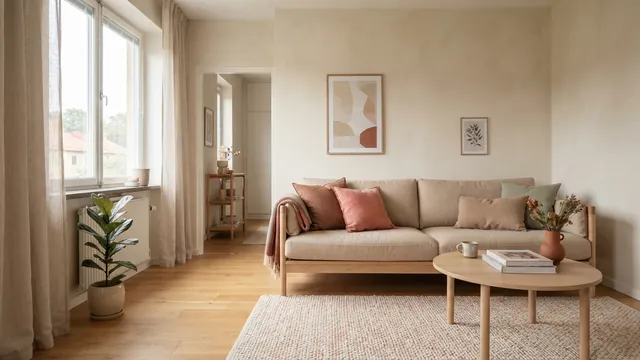
Are White Kitchen Cabinets Out of Style? Small Living Room Comfort
Make a small living room work better with smart layout, light, and storage.
How to Update a Small Kitchen?
Make a small living room feel open, calm, and easy to use.
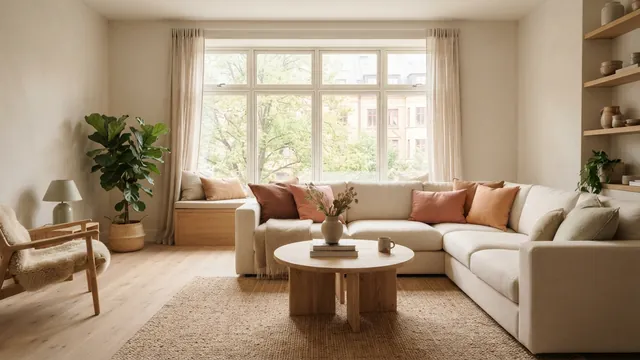
How to Arrange a Sectional in a Living Room—Smart Layouts
Place your sectional for better flow, comfort, and style.