Large Living Rooms — Comfort, Zones and Flow
Make a spacious living room feel warm, useful, and easy to move through.
Understanding Large Living Room Dimensions
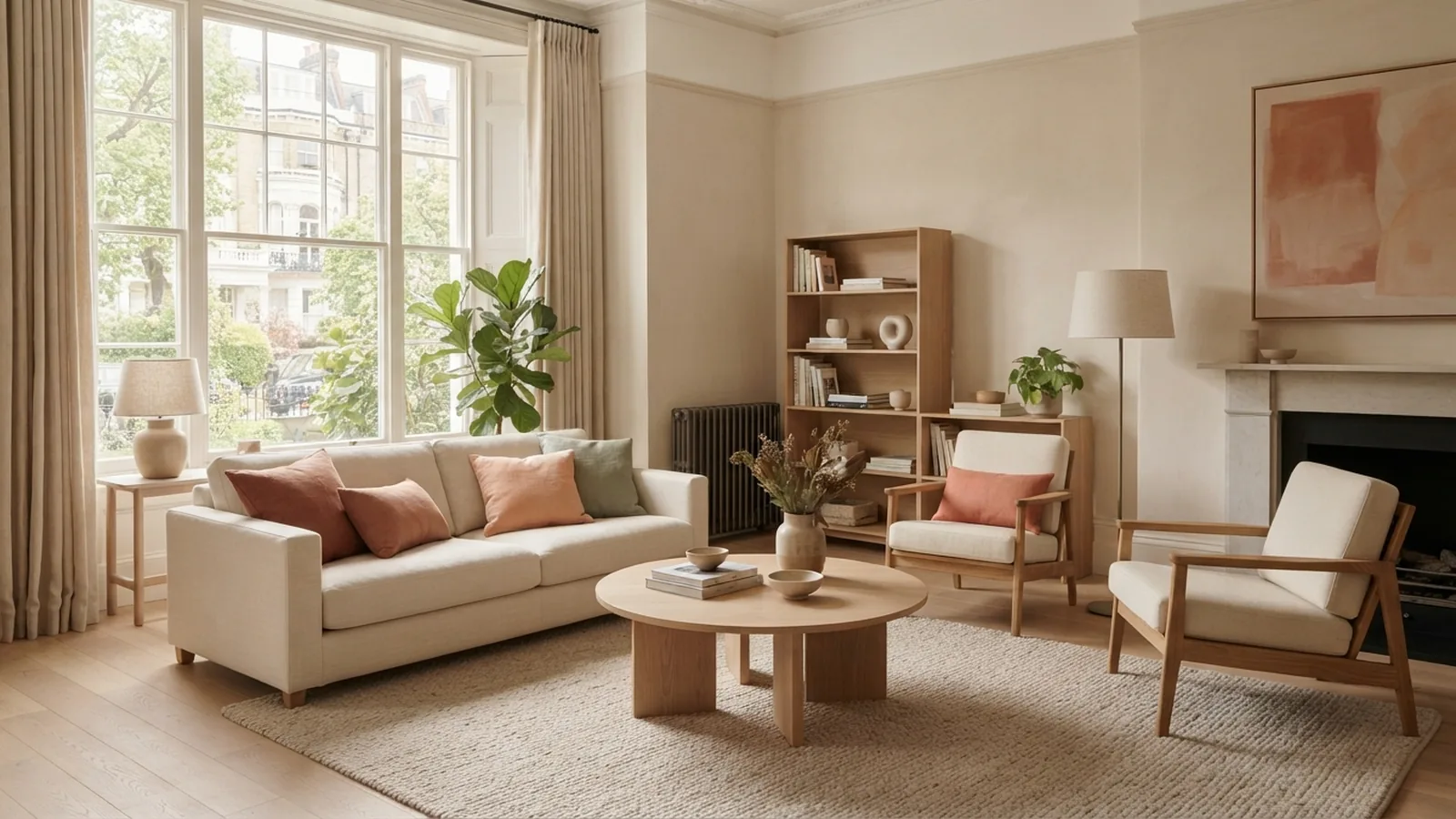
There is no single size that makes a living room large. Many people ask, “How big is a large living room?” A room around 300 square feet or more often feels spacious, though shape and ceiling height matter too. An open plan can feel large at a smaller size because it shares space with a dining area.
To decide what is considered a large living room in your home, look at how you use it. A long, narrow room may need more planning than a square room with the same floor area. Note doors, windows, radiators, outlets, and paths between rooms before choosing furniture. A quick floor plan can show where the room feels empty or cramped.
Think about what you want the room to do, not just how to fill a large living room. List your main activities, such as watching films, reading, hosting guests, or playing games. Keep open routes between doors and key areas. The goal is useful space, not furniture in every corner.
- Measure the room, ceiling, doors, and windows.
- Mark fixed features and main walking routes.
- Choose activities before picking furniture.
Create Functional Zones That Feel Connected
Functional zones give a spacious room a clear purpose. Set up a main seating area around a fireplace, a view, or a media unit. Add a reading nook with a chair, lamp, and small table. If you need a work spot, place a desk where it gets good light.
Use furniture to mark each area without closing it off. A sofa can face away from a dining table and define the lounge. A low bookcase can screen a desk while keeping sightlines open. Keep tall pieces away from windows and main routes.
Each zone should support a real habit. A game area needs open floor space and nearby storage. A second seating group makes sense if you often host guests or need a quiet place to talk. Repeat a few colors or materials across areas to tie the whole room together.
When deciding what to do with a large living room, start with two or three useful zones. More areas can make the room feel busy and hard to use. Leave some open floor where people can move with ease. That pause helps each group of furniture stand out.
- Give every zone a clear use.
- Use low furniture to mark boundaries.
- Repeat materials and colors between zones.
Choose Furniture That Fits the Room
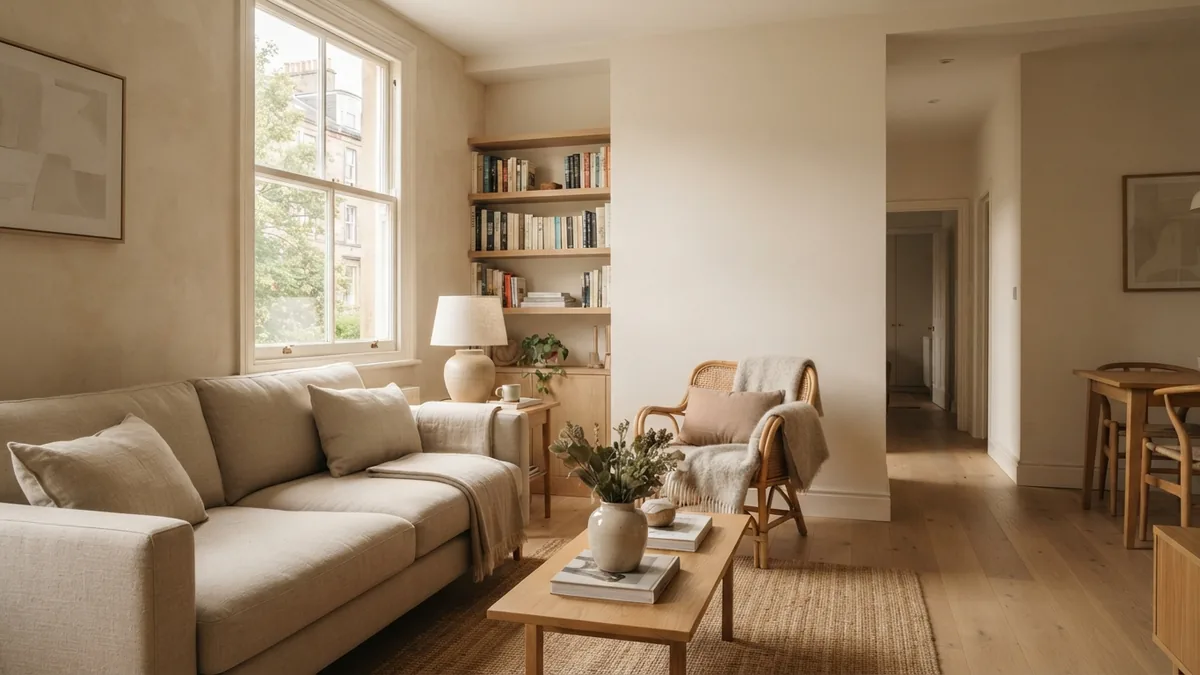
Scale matters when you furnish a large living room. Tiny pieces can look lost, while one huge sofa can take over. Start with the largest useful piece, often a sofa, then add chairs or a second couch as needed. Check the full layout before you buy.
Measure each item, plus doorways and stair turns. Leave about 16 to 18 inches between the sofa and coffee table for comfortable reach. Keep enough room behind chairs for people to walk past. A good layout feels easy to use, not just pleasing on a floor plan.
People often ask, “How large should a living room rug be?” Choose a rug that holds the seating group together. Ideally, the front legs of the sofa and chairs sit on it. A rug that only fits under the coffee table can make the furniture feel scattered.
Consider height as well as width. A low sofa can look small beneath a tall ceiling. Pair it with a broad coffee table, solid side tables, or large-scale art. Keep clear space around each piece so the room does not feel packed.
For a large window, choose what to put in front of a large living room window based on light and access. A low bench, a pair of chairs, or a plant stand can work. Keep tall furniture from blocking the view or daylight. Leave a clear path to doors and window handles.
Layer Lighting for a Warm, Even Glow
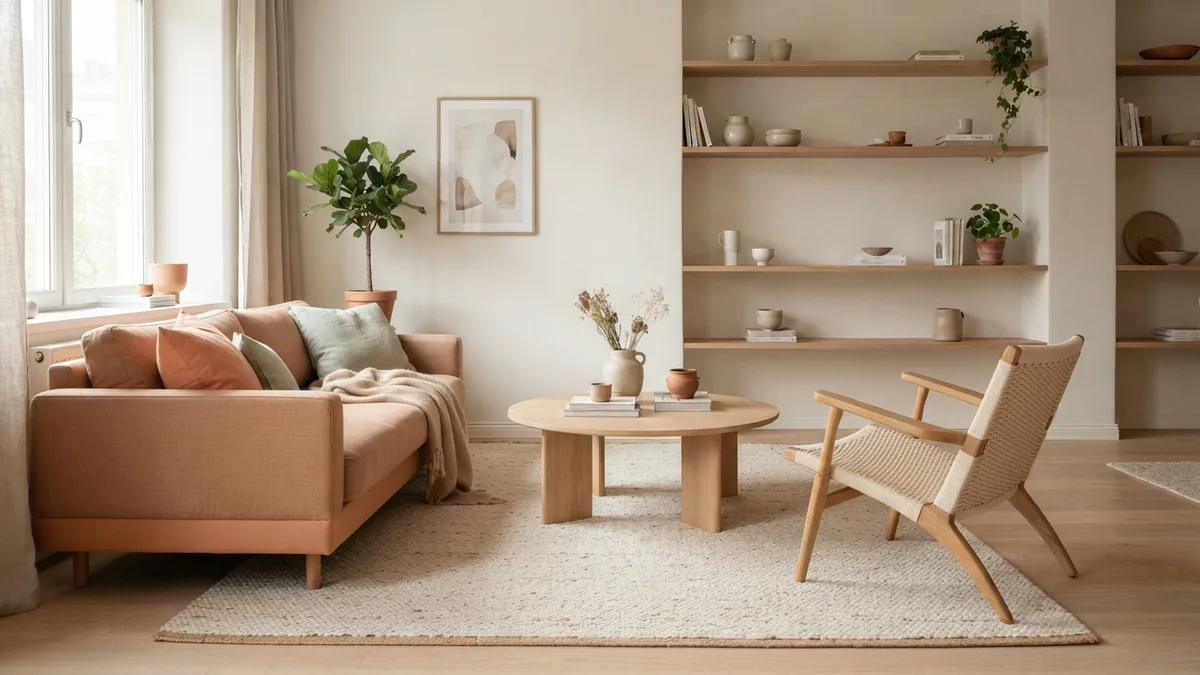
One ceiling light rarely reaches every corner of a large room. Mix general light with lamps for reading and softer light for evenings. A few light sources make the room feel more balanced. They also help each zone work on its own.
Place floor lamps near chairs and table lamps on sideboards or end tables. Wall lights can help where floor space is tight. In a long room, more than one ceiling fixture may spread light better. Put lights on separate switches or dimmers when you can.
Warm bulbs, often around 2700 to 3000 kelvin, suit most living areas. Use brighter light for reading than for a quiet corner. At night, walk through the room and look for dark spots. A lamp behind a chair can brighten a corner without shining into someone’s eyes.
Use Color and Decor to Balance the Room
Color can make a large room feel softer and less stark. Warm cream, beige, and pale earth shades add warmth without making the space feel closed in. If high walls feel imposing, use a deeper shade above a chair rail or across the ceiling. Related wall and ceiling colors can help tall rooms feel calmer.
Large walls need pieces with enough scale to feel in balance. If you wonder how to fill a large living room wall, try one large artwork, a grouped set of prints, or a long shelf. Keep the display linked by color, frame finish, or theme. Leave some wall visible so the arrangement can breathe.
When choosing what to put on a large living room wall, consider the view from the sofa and the room’s focal point. A broad mirror can reflect daylight, while a textile adds softness. Hang art at a height that feels right from the main seating area. Avoid many small items spread far apart.
Make a Large Living Room Cozy
To make a large living room cozy, add soft layers where people sit and gather. Use curtains, cushions, throws, and a rug with a pleasant feel. Mix linen, cotton, wool, and natural wood for warmth. These textures soften hard floors and broad walls.
Choose a few favorite objects rather than filling every surface. A plant, a ceramic bowl, and a short stack of books can add character. Keep useful items close to the zones where you need them. Storage baskets can hold blankets without making the room look cluttered.
Seating also shapes how welcoming the room feels. Angle chairs toward each other so people can talk without raising their voices. A small side table between seats gives guests a place for a drink. Warm light and soft materials make a spacious room feel more intimate.
Arrange Furniture for Conversation and Flow
To arrange a large living room, begin with the main focal point and place the sofa nearby. Face chairs toward the sofa rather than lining every piece against a wall. Keep seats close enough for conversation, but leave a clear route around the group. This creates a social center without blocking movement.
For how to set up a large living room, mark furniture sizes on the floor with paper or tape. Walk the routes before moving heavy items. Try the same test when planning how to set up large living room spaces with more than one zone. Adjust the layout until doors, windows, and seats are easy to reach.
Staging a room for a sale calls for a simpler plan. If you are deciding how to stage a large living room, show its best use with a clear seating group and open paths. Remove extra pieces that make the room seem crowded. Keep a few warm details so the space still feels lived in.
- Measure the room and note fixed features.
- Choose the main activities and set zones.
- Place the largest furniture around a focal point.
- Add a rug, lamps, and small tables to each zone.
- Walk the routes and shift pieces until movement feels easy.
Step-by-step
- 01 Measure the room
Record the room’s length, width, doors, windows, and fixed features. Mark the main walking routes on a floor plan.
- 02 Choose activities and zones
List what the room needs to support. Set aside space for the main seating area and any useful extra zones.
- 03 Place the main furniture
Build the seating group around a focal point. Leave comfortable space between pieces and clear paths around the group.
- 04 Add lighting and soft layers
Use lamps to brighten dark corners and add textiles for warmth. Choose a rug that holds the main seating group together.
- 05 Test the layout
Walk between doors, seats, and zones. Move pieces until the room feels easy to use and each area has a clear purpose.
Frequently asked questions
- What is considered a large living room?
- A room around 300 square feet or more often feels large, but shape and ceiling height matter too. An open plan can feel spacious at a smaller size.
- How do you fill a large living room without clutter?
- Give the room a few clear uses, such as lounging, reading, or dining. Add only the furniture and storage each zone needs.
- How large should a living room rug be?
- Choose a rug large enough for at least the front legs of the main seats. This helps the seating group feel connected.
- How do you make a large living room cozy?
- Use a conversational seating group, warm lamps, layered textiles, and a few personal objects. Soft materials help balance broad walls and hard floors.
- What should you put in front of a large living room window?
- Low chairs, a bench, or a plant stand can work well. Keep the view, daylight, and access to the window clear.
Related reading
How to Decorate Your Living Room With Style and Purpose
Create a warm, useful living room with simple design steps.
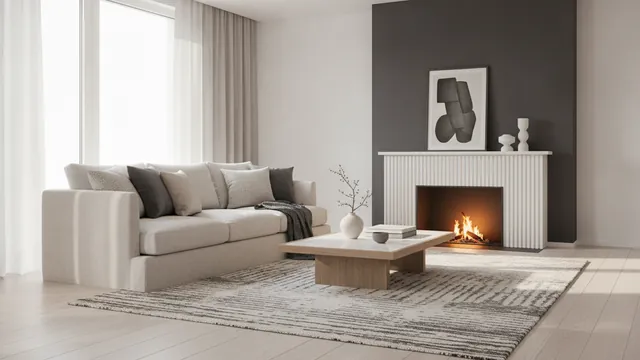
How to Stage a Living Room for Sale (Fireplace Tips Included)
Staging tips to make your living room feel warm, spacious, and easy to imagine.
Bathroom Paint — Moisture, Finishes and Cost
Choose bathroom paint based on dampness, airflow, surface prep and finish.