Interior Design Courses: Types, Costs, Software, and Career Paths
Compare interior design course types, fees, software, and career outcomes.
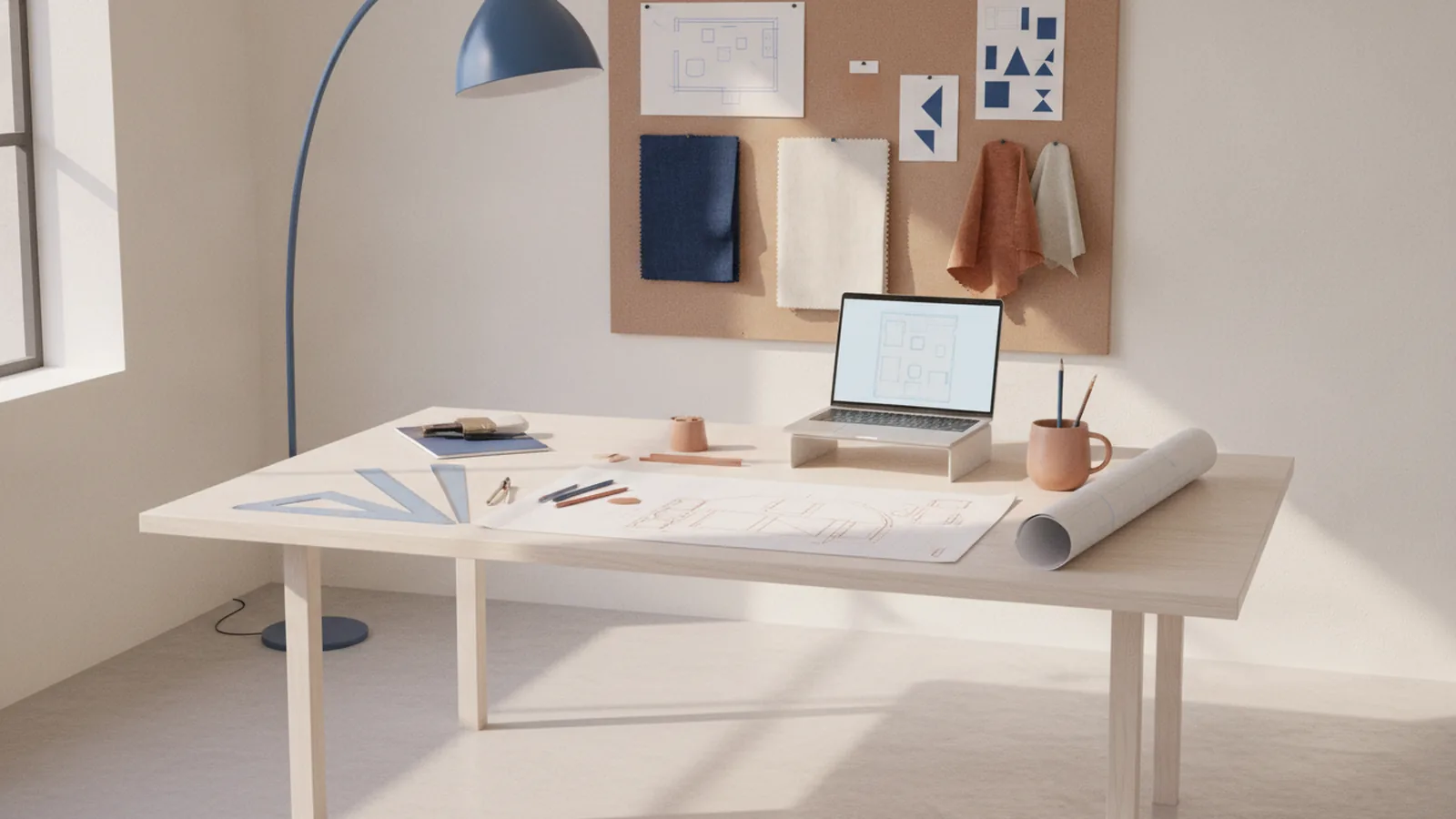
What an interior design course is and where to take it
If you are asking what is interior design course, the simplest answer is this: it teaches you to plan spaces and choices that are safe, functional, and beautiful. Most programs cover both creative and technical work. You learn design principles, then apply them to real rooms through exercises and studio projects.
When you explore course options, you will see both online and in-person study. Online programs fit busy schedules because you usually access lessons 24/7. In-person options can be better if you learn faster with hands-on demos and direct feedback.
This guide also helps you answer how to do interior designing course planning. You will compare course types, typical learning goals, and what to expect from fees. You will also see how software and magazines can support your design portfolio.
Overview of interior design course types
Interior design courses come in several formats. Some teach fundamentals in a short path. Others prepare you for advanced work and client-facing projects. Your best fit depends on your starting point and time budget.
Here are the most common types you will encounter.
- Foundations courses: Great if you are new to design. Expect basic design thinking, tools, and structured practice.
- Certificate programs: Longer than a short course. They often include a bigger project set for a design portfolio.
- Diplomas and associate tracks: More depth and more hours. These can be a stronger step toward formal career roles.
- Bootcamps and short workshops: Fast learning focused on a narrow skill. Examples include kitchen layouts or styling for resale.
- Degree programs: The most formal route. You typically gain broader training and stronger recognition, depending on the school.
- Specialty courses: Often split by focus like residential vs commercial design. Some also focus on lighting, materials, or accessibility.
Accreditation and recognition matter here. A course provider with strong industry links can help your portfolio get noticed. It can also improve how employers interpret your training later.
For residential vs commercial design, course content will shift. Residential classes stress lifestyle needs and client preferences. Commercial classes often include code-driven layouts and business constraints.
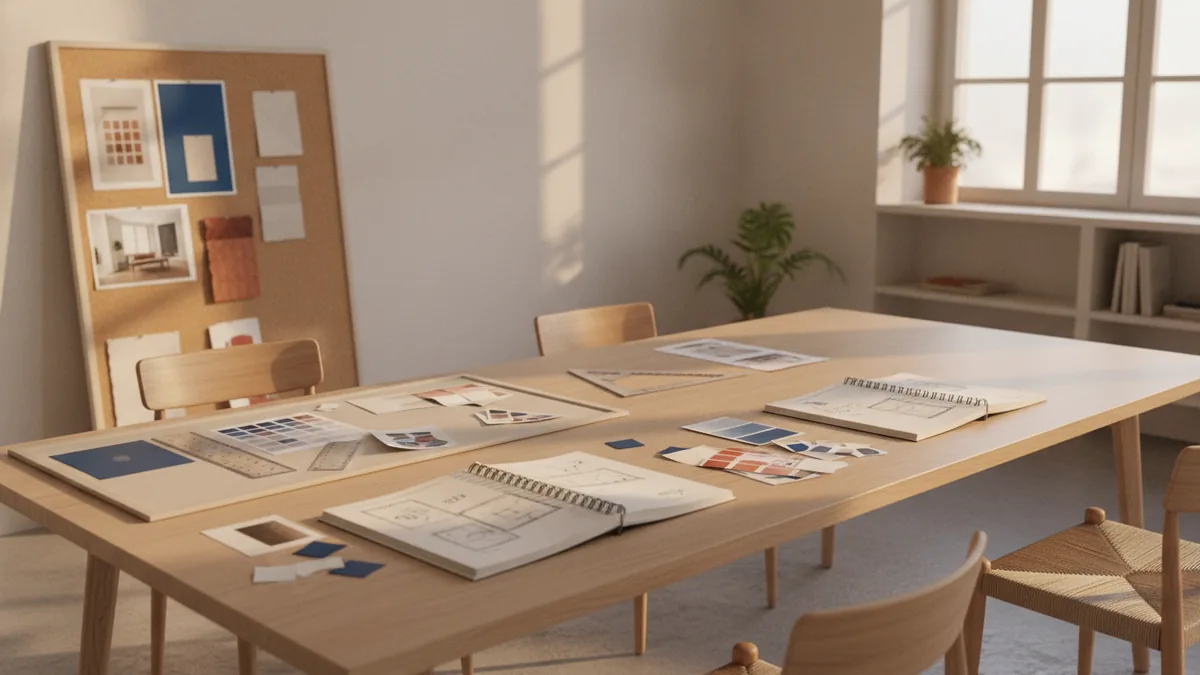
Key objectives interior design courses actually teach
Most learners want two outcomes from a program. First, they want design skill they can show. Second, they want structure that turns ideas into plans.
Internally, that means the curriculum usually covers fundamental design principles and technical skills. You typically practice color theory in interior design, space planning, and presentation basics. You also learn how to document decisions so clients or instructors can review them.
In practical terms, you should expect lessons like these.
- Color theory and mood building: Learn how palettes work together and how to translate taste into a plan.
- Space planning: Study room flow, zoning, and where elements should go for usability.
- Technical drawing: Practice plans, elevations, and simple layouts for clarity.
- Materials and finishes: Understand how surfaces affect durability and look.
- Lighting basics: Learn how brightness, temperature, and placement change a space.
- Design portfolio building: Compile your best work in a consistent style and format.
Many programs also support a creative design process. You start with a brief, then develop concepts, test options, and refine the final scheme. That workflow is what you will use when clients ask for changes.
Online formats often add support features like personal tutors and community groups. This helps you pressure-test your choices and get faster feedback on submissions.
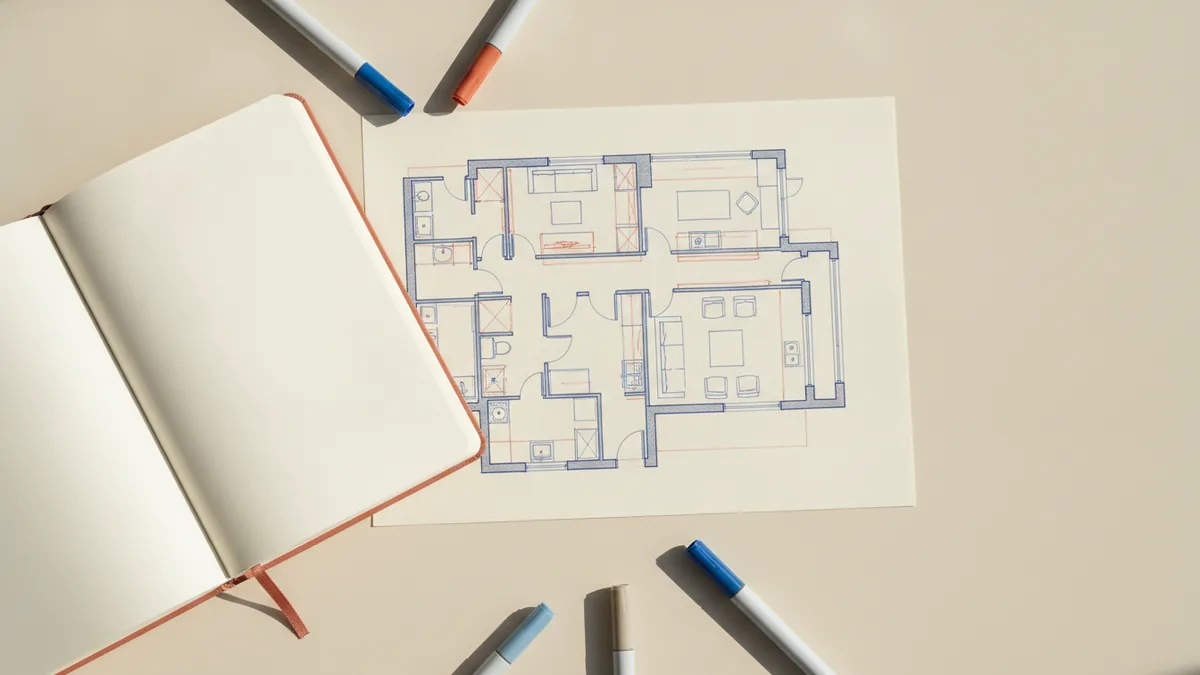
What is the best interior design course for you?
The best interior design course is the one that matches your goals, schedule, and learning style. There is no single winner for every student. A “best” program for beginners can feel too basic for someone switching careers.
When you compare options, focus on proof of learning, not just marketing. Look for portfolio requirements, project briefs, and feedback quality. Also check whether instructors evaluate technical drawings and design reasoning.
Here are smart ways to judge the course quality of any provider you are considering.
- Confirm the portfolio output: Ask how many projects you produce. Also ask whether templates or guided briefs are included.
- Check tutor access: Verify if feedback is scheduled or on-demand. Faster feedback improves your revisions.
- Review learning pacing: Look for milestones like concept boards, plans, and final presentations.
- Verify recognition: See whether the school lists accreditation or partnerships. This can affect career opportunities.
- Ask about assessments: Find out if grading uses rubrics. Rubrics help you understand what “good” looks like.
If you are targeting residential vs commercial design, choose based on your planned work. Residential-focused courses can be excellent for styling and home layouts. Commercial-focused courses can be stronger for working with teams and stricter constraints.
Finally, think about your current tools. If you need design portfolio software skills quickly, pick courses that teach software early. Otherwise, you may spend weeks learning tools that should have been part of the curriculum.
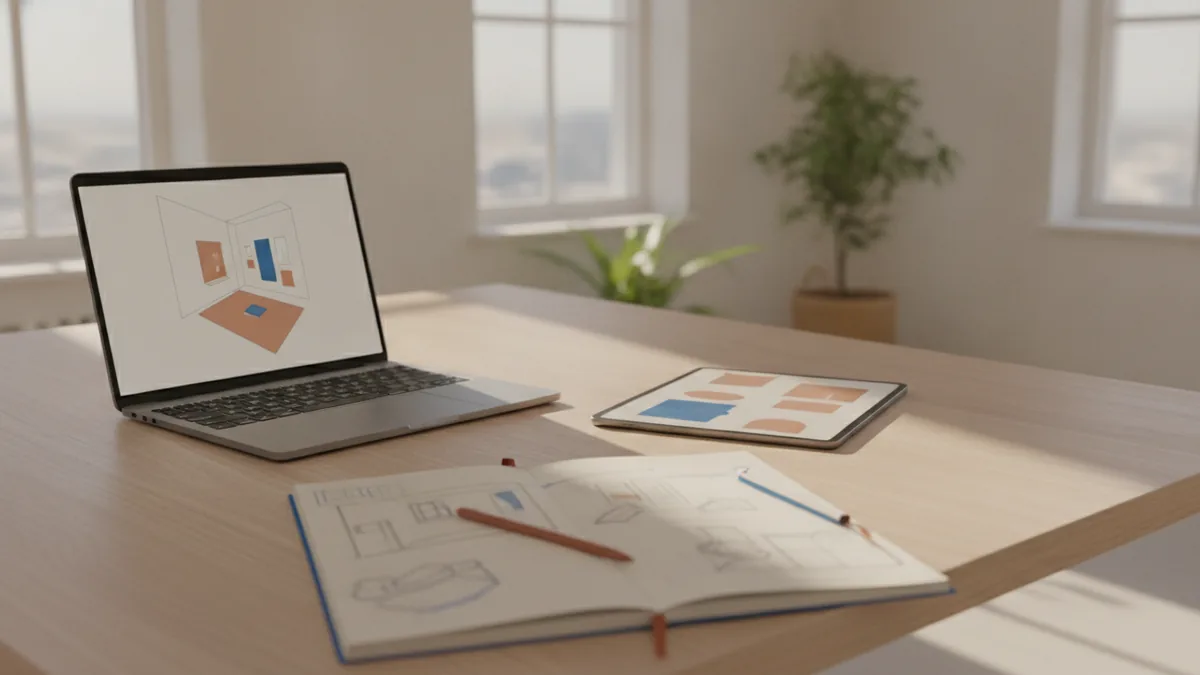
Costs and fees for interior design courses
When learners search fees for interior design course, they usually want a realistic budget range. Costs can vary widely based on format, instructor time, and credential level. Short workshops may cost less, while degree programs can cost more due to longer study.
To budget well, separate your costs into the main categories. Tuition is usually only the start. You may also pay for software subscriptions, printing, and hardware for drawings.
Consider this simple cost breakdown you can use while comparing schools.
| Cost type | What it covers | What to check |
|---|---|---|
| Tuition | Lessons, projects, and instructor time | Is feedback included? How many submissions? |
| Materials | Templates, sample boards, printouts | Is a kit included or paid separately? |
| Tools | Design software or hardware | Do you get licenses, or only tutorials? |
| Portfolio spend | Printing, mock-ups, hosting, or binding | Is there a suggested portfolio format? |
| Exam or credential | Testing fees for certificates | Is the credential mandatory to complete? |
Also ask about payment options. Many programs allow monthly plans, which reduces cash stress. Others require full payment upfront, especially for short cohorts. If you plan to work while studying, monthly payments can make consistent progress more realistic.
For online courses, check if “lifetime access” is truly permanent. Some programs reduce support after a period, even if videos remain. That difference changes your value, especially if you want tutor feedback throughout.

Best interior design software and magazines to support your learning
Course content often includes best interior design software, especially tools used for plans and 3D views. Two common examples are AutoCAD and SketchUp. When included, you learn drafting basics and how to present ideas more clearly.
You should still evaluate software depth. Some courses cover only navigation and basic shapes. Stronger programs teach workflows like modeling a room, placing furniture, and exporting presentation views. Those skills help you build a design portfolio that looks closer to real client work.
Software choice also depends on your goal. For technical drawings, CAD tools help with accuracy. For quick concept models, 3D sketch tools can speed up iteration. Either way, practice the same workflow across multiple projects.
Magazines are another helpful resource because they show what is current. The best interior design magazine for many students is Architectural Digest. Use it to study current design trends, not to copy style directly. Try mapping what you see to your course concepts like color theory and space planning.
Here is a practical way to use magazines with your course work.
- Pick one room you like and break down its palette.
- List the lighting choices and where the light sources sit.
- Sketch a simple space plan for the layout logic.
- Turn your notes into a concept board for a class project.
This method builds a creative design process that stays grounded in real examples.
Career opportunities in interior design after you finish
Career outcomes depend on your level, your portfolio strength, and recognition of your training. An accredited design program can make job applications easier because employers know what the credential represents. Even without a degree, a strong design portfolio can help you get interviews.
Common entry roles include design assistant, space planner support, or junior interior designer for residential studios. If you focus on a specialty, you can also move faster into kitchens, bathrooms, or lighting design. For commercial paths, you may find opportunities working with teams on layouts and documentation.
To improve your odds, plan your portfolio as you study. Choose projects that demonstrate space planning, materials thinking, and clear presentations. Include both early concept work and refined final outputs so clients and employers see your process.
Also look for portfolio review opportunities. If your course has critique sessions, treat them like training. You will learn how professionals judge balance, function, and feasibility.
Finally, think about next steps. Some graduates continue with advanced courses for current design trends and deeper technical work. Others use design portfolio projects to secure freelance styling or contract support work.
Quick checklist to choose a course wisely
If you feel stuck, use a short decision filter. Focus on tutor support, portfolio output, and whether the curriculum matches your intended work. Then compare fees for interior design course options using the same cost categories.
Once you pick, commit to a steady practice schedule. Small weekly work produces better portfolio projects than occasional bursts. You will also finish the course with stronger confidence when you present your ideas.
Frequently asked questions
- What is interior design course and what will I learn?
- An interior design course teaches you how to plan spaces and make design decisions that work visually and functionally. You usually learn fundamentals like color theory and space planning, plus presentation and portfolio skills.
- Are online interior design courses as good as in-person options?
- Online courses can be strong, especially if they include tutor feedback and structured projects. In-person options can help if you want studio-style demos and fast hands-on coaching.
- How much are fees for interior design course programs?
- Fees vary based on course length, credential level, and feedback intensity. When you compare, include possible tool costs and portfolio printing or materials.
- What is the best interior design course for beginners?
- Look for a foundations or certificate path with clear project milestones and portfolio output. The best choice supports your level and includes enough feedback to correct your work early.
- What is the best interior design software to use in courses?
- Many curricula include AutoCAD or SketchUp because they support floor plans and 3D views. The best software for you depends on whether you need drafting accuracy or faster concept modeling.
- Which interior design magazine is good for learning trends?
- Architectural Digest is a popular option for studying current design trends. Use it to analyze layouts and palettes, then connect those ideas to your course assignments.
Related reading
Kitchen Cabinet Tops — Style, Texture and Seasonal Charm
Style cabinet tops with balanced layers, useful texture, and decor that suits your kitchen.
Couch Placement—Flow, Focus and Comfort
Place your couch to frame a focal point, keep paths clear, and make the room feel balanced.
Master Bedroom — Color, Comfort and Personal Style
Build a calm, personal bedroom with smart choices and a budget that works.