Room Painting Labor Costs — Rates and Budget Factors
See typical room-painting labor rates and learn what drives the final price.
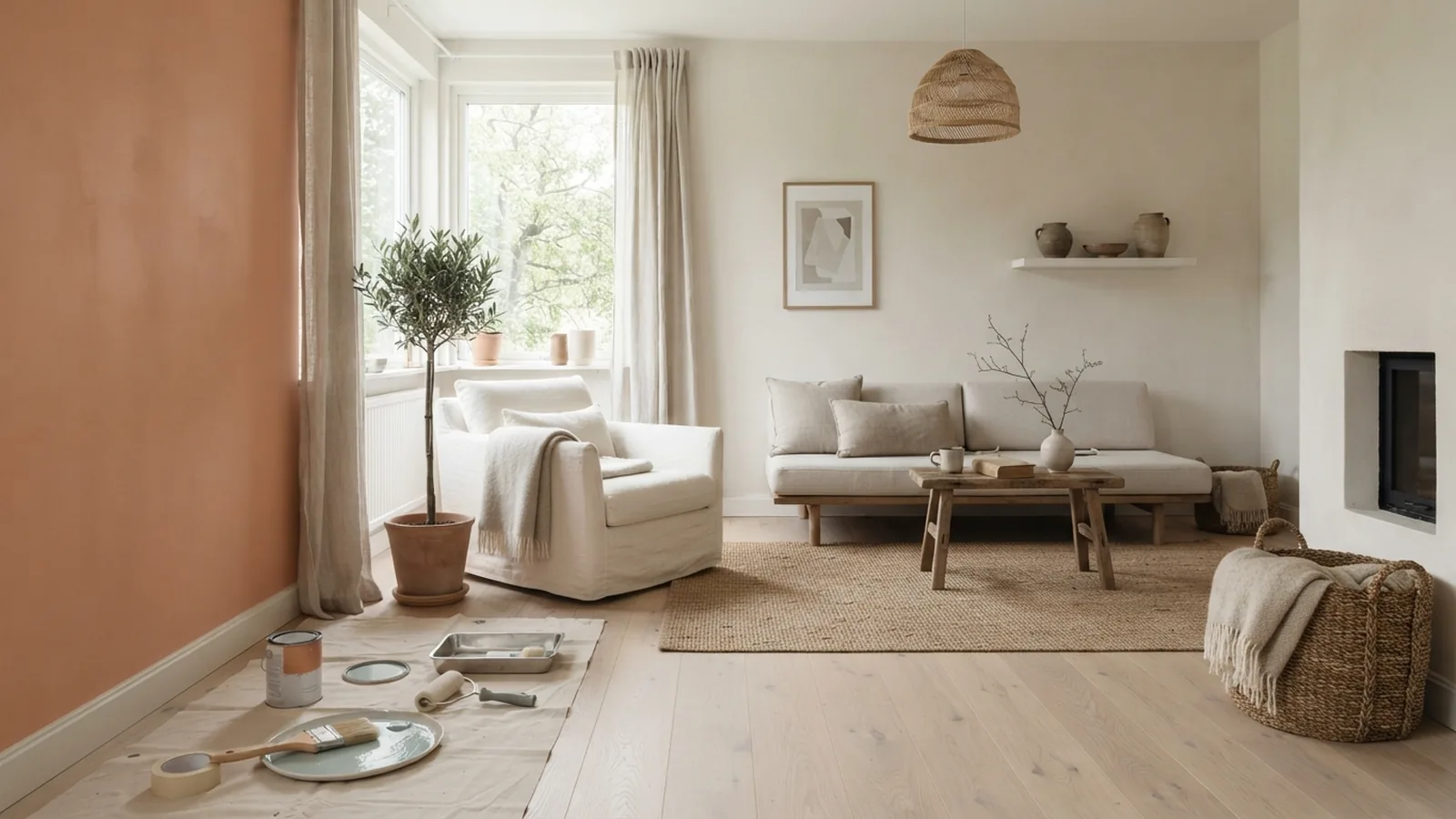
What labor costs to paint a room usually include
Hiring a painter to paint a room usually costs $25 to $75 per hour for labor. Your location, the painter’s skill, and the job’s demands shape the rate. The figure covers work time, not paint or other supplies.
Many painters price a room by the job instead of charging by the hour. That can make quotes easier to compare, but ask what the price covers. A quote may include wall prep, primer, two coats, and cleanup, or it may list some tasks as extras.
For a basic 12-by-12-foot room with standard-height walls, labor might take eight to 16 hours. At $25 to $75 an hour, that equals roughly $200 to $1,200 in labor. This is a broad estimate, not a fixed market price. The ceiling, trim, wall condition, and number of coats can change the total.
- Hourly labor: About $25 to $75 per hour, depending on the market and painter.
- Labor only: Ask whether paint, primer, supplies, and repairs are priced separately.
- Written scope: Confirm the rooms, surfaces, coats, prep, and cleanup included.
If you are asking how much labor costs to paint a room, start with the room’s size and the work it needs. Then compare written quotes based on the same scope. Rates alone do not show whether one bid includes more prep or finish work.
What can raise or lower a painter’s rate
Room size has a direct effect on labor. A larger room has more wall area, which takes longer to cover, cut in, and inspect. More doors or windows can reduce the area to paint, but trim and edges still take care.
High ceilings can add time because painters need taller ladders or other safe gear. Detailed trim, built-ins, beams, and other features also call for slow, careful work. These details can lift the price even when the floor area is modest.
Wall condition matters, too. Small nail holes may need little time, while cracks, peeling paint, or rough patches may need repair and sanding. Moving furniture, protecting floors, and covering fixtures can also add labor if you do not handle those tasks.
Paint choice can affect labor when it changes the number of coats needed. A major shift from a dark color to a pale one may need extra primer or coats. Ask the painter how the chosen color and finish affect the work plan.
Before you accept a quote, check for these cost drivers:
- Room dimensions, ceiling height, and the number of surfaces to paint
- Repairs, sanding, stain cover, and other prep work
- Trim, doors, windows, closets, and built-in details
- Furniture moving, floor covers, and cleanup
- Number of coats and any change in wall color
How to estimate the full room-painting bill
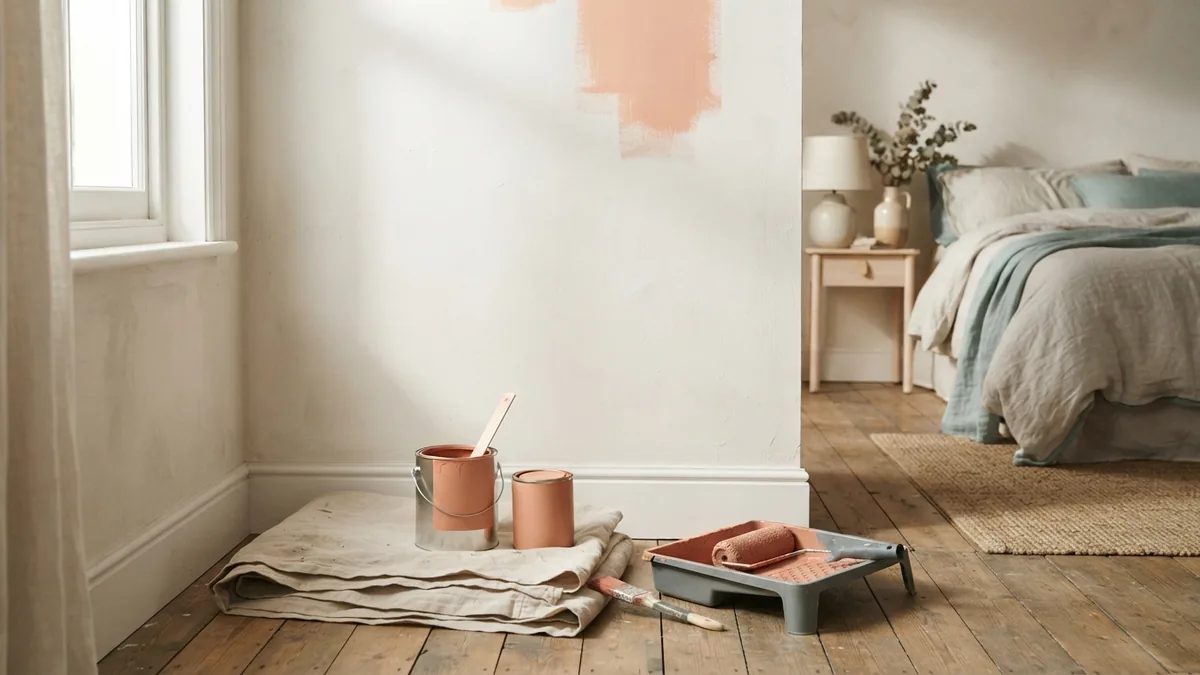
To estimate the labor cost, first measure the room and list every surface that needs paint. Note the walls, ceiling, trim, doors, and closet interior as separate items. This helps prevent a low quote from leaving out work you expected.
Next, ask painters for a labor estimate and a separate list of materials. Paint and supplies can add to the bill, as can primer, tape, drop cloths, and repair items. If you plan to buy supplies yourself, confirm which products the painter needs.
Use a simple estimate to check a quote. For example, suppose a painter expects 12 hours at $50 per hour. Labor would be $600. Add paint and supplies, then add any agreed fee for repairs or furniture moving.
A room may take longer than the time spent rolling paint. Setup, masking, wall repairs, drying time between coats, and cleanup all shape the schedule. Drying time may not mean paid labor, but it can affect when the room is ready to use.
Ask each painter to show the work hours or fixed price, materials, and likely extras. Also ask how they handle added repairs found after work begins. A clear scope makes bids easier to compare and helps avoid surprise costs.
DIY painting or hiring a professional
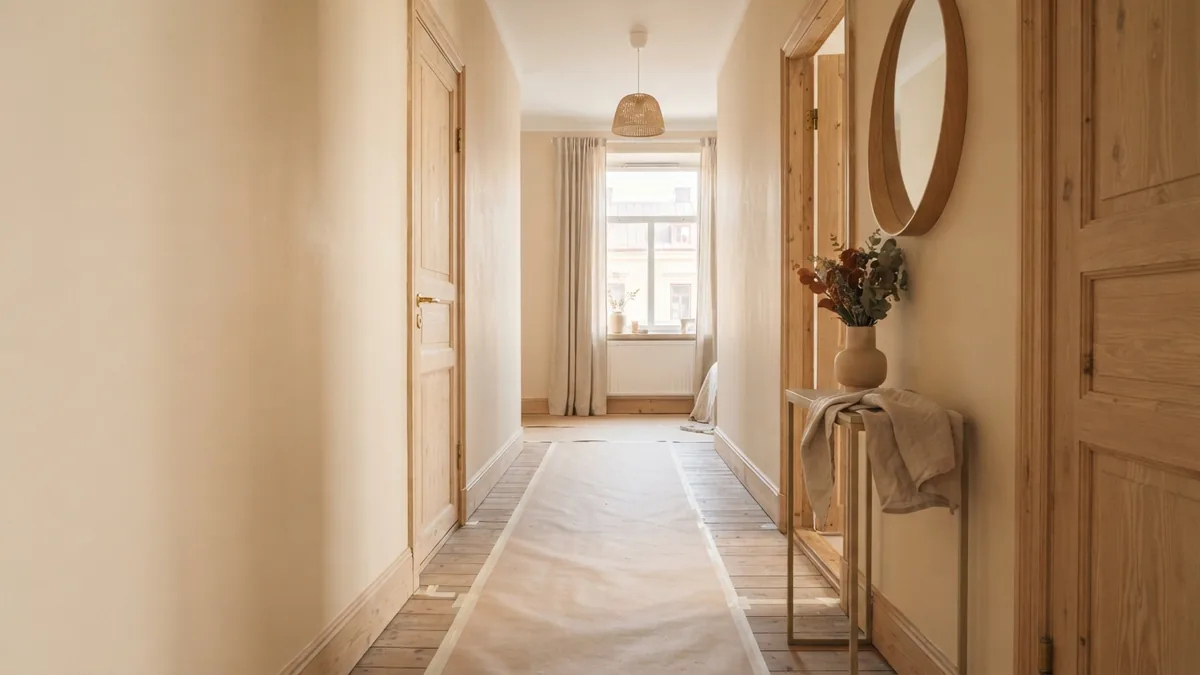
Painting a room yourself can save the painter’s labor fee. You still need to pay for paint, tools, covers, and repair supplies. You also need time to prep, paint, wait between coats, and clean up.
Professional painters often finish faster because they paint rooms often and bring the right tools. That speed can matter if you must return the room to use soon. A DIY job may take several evenings or a weekend, especially if you are learning as you go.
DIY may suit a small, simple room with sound walls and easy access. Hiring a pro may make more sense for tall ceilings, tricky trim, major repairs, or a tight deadline. Consider the value of your time and the cost of fixing errors, not just the hourly rate.
Before choosing, compare the likely DIY bill with the full professional quote. Include tools you do not own and the time needed for each task. For a fair comparison, use the same paint quality and number of coats.
Why painting prices vary by region
Labor rates can differ greatly from one market to another. Painters in dense urban areas may charge more than painters in rural towns. Local wages, demand, travel time, and the cost of running a business all shape rates.
Even nearby towns can have different price ranges. A busy season or a short supply of available painters may also affect a quote. If your schedule is flexible, ask whether the painter offers different rates during slower periods.
Compare quotes from painters who serve your area, rather than relying on a national average. Get at least three bids when possible, and give each painter the same room details. This lets you compare the work plan as well as the price.
Check that each quote names the surfaces, prep work, coats, and cleanup. A lower bid may leave out repairs or trim that another painter includes. The best comparison is between similar scopes, not just the final totals.
Ways to keep your painting budget on track
Good planning can reduce extra labor without cutting corners. Clear the room before work starts if you can do so safely. Ask the painter whether you should remove wall fixtures, curtains, or small items.
Share photos and room measurements before the visit, but treat any early estimate as tentative. The painter may need to see wall damage, ceiling height, or access limits in person. Tell them about stains, loose paint, or recent repairs before they set a firm price.
Use this short checklist when you review a quote:
- Confirm the hourly rate or fixed labor price.
- List all walls, ceilings, trim, doors, and closets to be painted.
- Ask what wall repairs and prep work are included.
- Check who buys paint and supplies, and which products are planned.
- Ask about added work, timing, and cleanup before signing.
Do not choose a painter on price alone. A detailed quote and clear plan can help you avoid added fees later. If the price seems high, ask which part of the work drives it and whether you can take on a prep task.
For most rooms, the best estimate starts with a clear list of surfaces and repairs. Compare labor, materials, and timing as separate parts of each bid. That gives you a sound basis for deciding whether to paint it yourself or hire a pro.
Frequently asked questions
- How much does labor cost to paint a room?
- Labor often costs $25 to $75 per hour. The total depends on room size, local rates, wall condition, and the work included.
- What is the average labor cost to paint a room?
- There is no single price for every room. A basic 12-by-12-foot room may need eight to 16 work hours, or about $200 to $1,200 at the stated hourly range.
- What makes room-painting labor cost more?
- High ceilings, detailed trim, wall repairs, extra coats, and furniture moving can add labor. Larger rooms also take longer to paint.
- Do painters charge by the hour or by the room?
- Some painters charge by the hour, while others give a fixed price for the job. Ask what prep, surfaces, coats, and cleanup the quote covers.
- Is it cheaper to paint a room yourself?
- DIY work can save the painter’s labor fee, but you still pay for paint and tools. It also takes your time and may cost more if repairs or mistakes arise.
- Why do painting labor rates vary by location?
- Local wages, demand, travel time, and business costs affect rates. Urban areas may cost more than rural markets.
Related reading
Painting a 12x12 Room — Paint, Cost, and Time
Plan for two gallons, $30–$100 in paint, and 4–8 hours of work.
Interior House Painting — Costs, Colors and DIY Choices
Plan your interior paint budget with real rates, color tips, and DIY tradeoffs.
How to Price Painting a Room and Estimate Interior Costs
Estimate room painting costs with clear steps for labor, paint, prep, and cleanup.