How to Paint Laundry Room Cabinets: Colors, Paint, Steps
Get step-by-step tips, paint type guidance, and color ideas for laundry room cabinets.
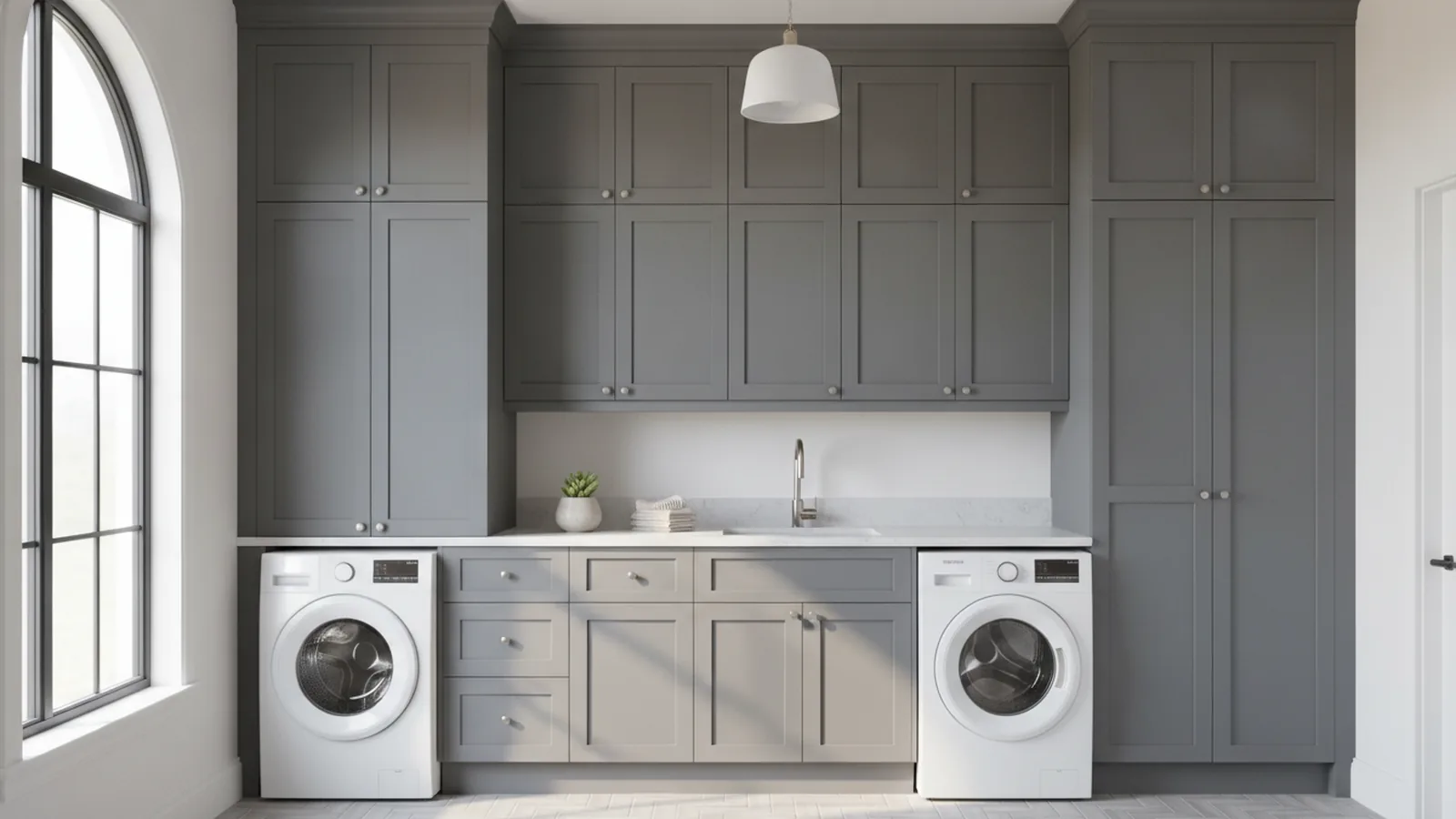
Preparation Steps for Painting Laundry Room Cabinets
The quickest way to get a smooth cabinet finish is to prep well before you open a paint can. If you rush cleaning, new paint can peel or look rough. Start by removing doors, drawers, and all hardware. Label pieces so you can put everything back in the same spot later.
Clean cabinets thoroughly using a degreaser or a simple soap-and-water wash. Laundry rooms collect dust, dryer lint, and film from detergents. Use a degreaser on areas that feel slick or look shiny. Then rinse with clean water and let the surfaces dry fully.
Next, scuff the old finish so paint can grip. Use medium-grit sandpaper for flat areas, and a sanding block for cabinet frames. If you want less dust, use liquid sandpaper, but still follow the product instructions closely. Wipe away sanding residue with a dry tack cloth or a damp rag, then let it dry.
- Remove doors, drawers, and hardware first
- Clean with degreaser or soap and water, then rinse
- Scuff with sandpaper or liquid sandpaper for adhesion
- Wipe residue, then let everything dry completely
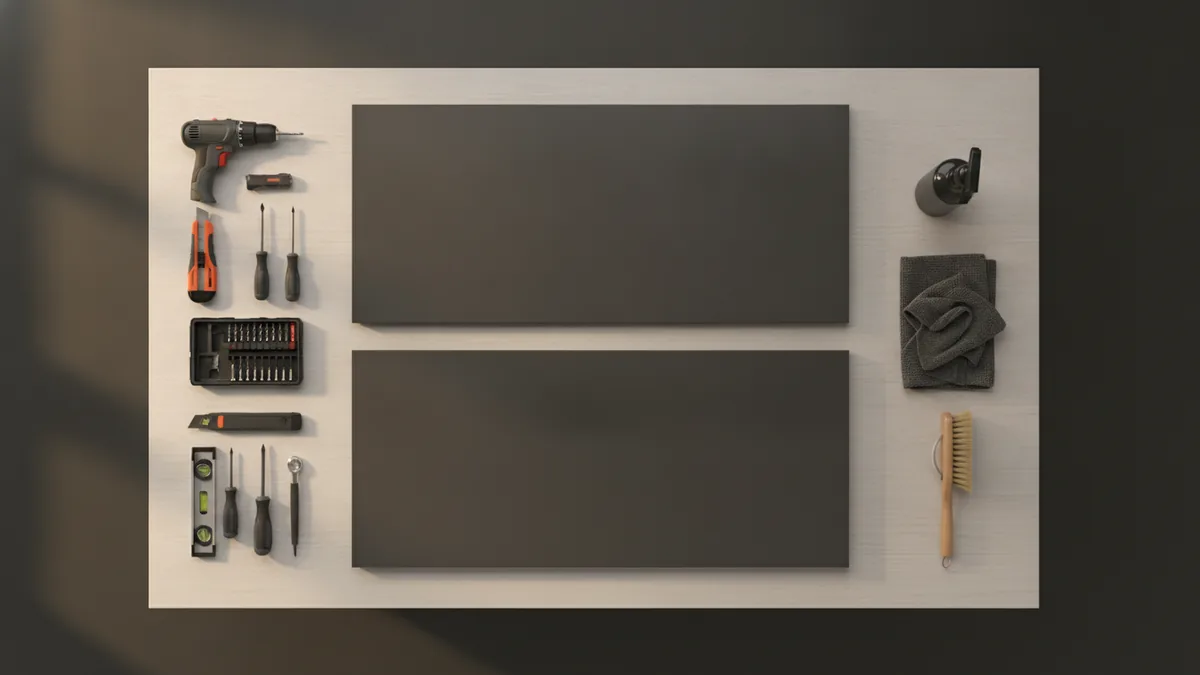
Choosing the Right Paint for Laundry Room Cabinets
When people ask what type of paint for laundry room use, the right answer depends on durability and prep. Cabinets see frequent touch, occasional moisture, and cleaning. For that reason, enamel paint is a common pick because it cures into a tougher surface. Many DIY cabinet projects use an enamel system for a hard, washable finish.
Look for a paint labeled for cabinets or trim, and check the finish type. A satin or semi-gloss sheen often works well on cabinet doors. It hides small imperfections better than high gloss, but it still cleans easily. If your laundry room is brighter later, you can use a slightly higher sheen for a more polished look.
Primer matters as much as topcoat. If cabinets have a slick finish, use a bonding primer designed for glossy or stained surfaces. If you are painting over a dark color, consider a primer that blocks stains. This helps reduce the number of topcoats you need.
| Goal | Common choice | Why it helps |
|---|---|---|
| Hard, durable cabinet coat | Enamel paint | Better washability after curing |
| Paint grip on old finishes | Bonding primer | Improves adhesion and reduces peeling |
| Even coverage over dark cabinets | Stain-blocking primer | Less color bleed through |

Color Ideas for Laundry Room Cabinets
If you are deciding what color should i paint my laundry room, start with how you want it to feel. Light colors tend to make small rooms feel larger and cleaner. They also help offset shadows that gather around doors and shelves. In a laundry room with no windows, color selection becomes even more important.
For what color to paint laundry room with no windows, choose a bright base like soft white, warm off-white, or pale greige. These shades reflect light without looking gray or flat. If your lighting is cool, a warmer white can prevent the room from feeling chilly. If your lighting is warm, a greige or soft white can keep the cabinets from looking yellow.
If you want contrast, use a two-tone approach. Paint the upper cabinets a lighter shade and the lower cabinets a slightly deeper neutral. This creates depth and makes the room feel designed rather than painted. Keep the sheen consistent so the finish looks intentional across all doors.
- Small, windowless rooms: soft white or warm off-white
- Balanced neutrals: pale greige for cabinets and walls
- More depth: two-tone light upper and deeper base cabinets
- Classic contrast: light cabinets with darker hardware accents
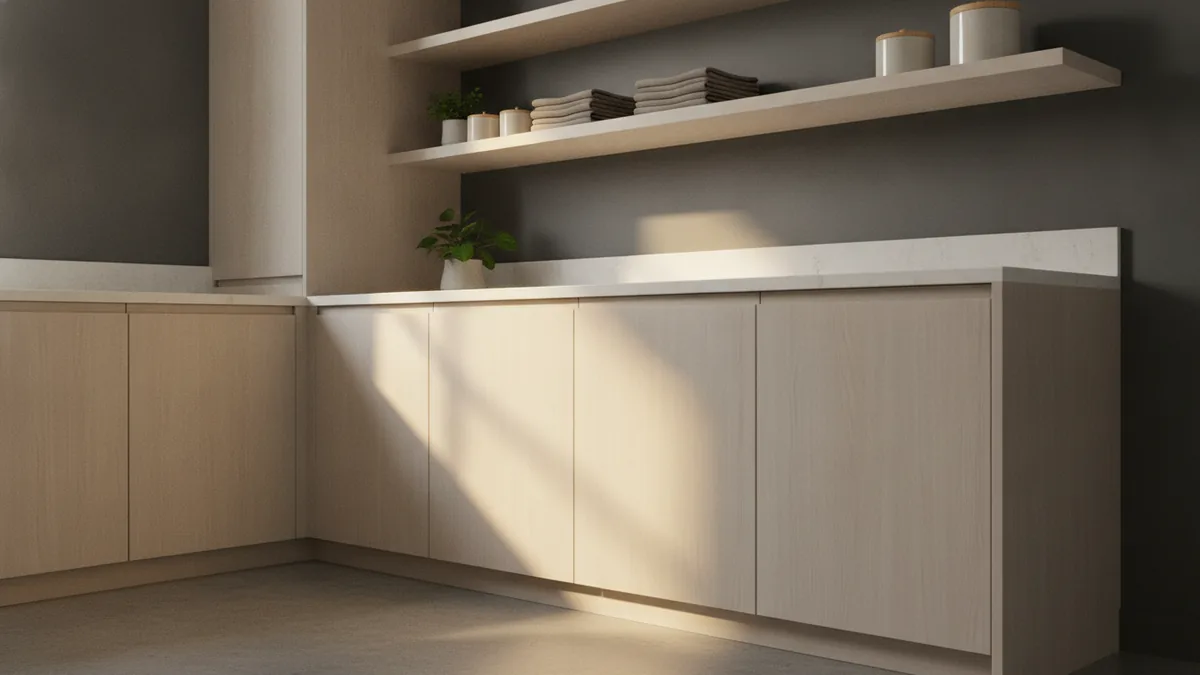
Step-by-Step Painting Process
Here is a clear way to approach how to paint laundry room cabinets from start to finish. This sequence keeps you moving and reduces smudges. Plan on doing two or more thin coats, not one thick coat.
Begin by priming if needed. Apply a thin primer layer with a quality brush for edges and a foam roller for large flat panels. Let the primer dry for the time listed on the can. Dry time depends on temperature and humidity.
Then apply the first topcoat. Use light, even strokes and avoid loading the brush with too much paint. For a smoother cabinet painting process, paint the back of doors first, then the front after it sets. After the coat dries, lightly sand the surface with fine-grit sandpaper or a scuff pad.
For drying time, many water- and oil-based systems need about 2 to 3 hours between coats. That means you can usually recoat the same day if conditions are dry. Always confirm with your paint label and the weather that day. Cooler rooms can slow cure time, even when the surface feels dry.
- Remove doors and drawers, then clean with degreaser or soap and water
- Sand or use liquid sandpaper, then wipe residue
- Prime (if needed), then let it dry per label directions
- Apply thin first coat with brush and foam roller
- Sand lightly after dry, then apply a second thin coat
- Repeat for a third coat if coverage needs it
Tips for a Professional Finish
Thin coats and patient drying make the biggest difference in how cabinets look. If you apply a thick layer, paint can sag or leave a textured surface. Aim for smooth coverage with multiple passes, then stop. Let the coat set before you touch it again.
Use the right tools for the finish you want. A quality angled brush helps you control paint on corners and details. A foam roller reduces bubbles on wide panels. If you notice dust, pause and check your workspace before continuing.
When painting doors and frames, keep a consistent direction. Paint the inside edges first, then the large center panels. This reduces visible lap marks where strokes meet. Also, avoid painting too close to heating vents, fans, or open windows, which can bring dust into wet paint.
For hardware holes and recessed areas, don’t overload paint. Apply paint to edges, then fill small gaps with a careful brush pass. The goal is even thickness, not thick coverage. After final drying, reinstall hardware carefully so you don’t chip edges.
- Apply two or more thin coats for a smoother finish
- Use light pressure and smooth strokes to reduce brush marks
- Scuff lightly between coats for better leveling
- Keep dust low by closing doors and reducing airflow
Post-Painting Handling and Care
After the final coat, handle cabinets gently until fully cured. Many paints feel dry within hours but keep hardening over days. Try to wait a full day before you reinstall doors if you can. If you need a tougher setup schedule, follow the product’s cure guidance rather than relying on touch-dry.
Reattach hardware once paint has set firmly. Use the original holes when possible to avoid scraping new paint. If you replace screws, pre-fit them carefully so you do not strip the new coating around the holes. Take your time during reassembly. Rushing can cause chips at corners.
For day-to-day care, use mild soap and water on a soft cloth. Avoid abrasive scrub pads on painted surfaces, since they can dull the finish. If you need to remove spots, let cleaner sit briefly, then wipe gently. This keeps the enamel paint look crisp longer.
Finally, keep in mind that laundry rooms are high-use areas. If you run a lot of cycles, moisture levels can rise. Make sure the room has steady airflow, such as an exhaust fan. Better air control protects your cabinet finish over time.
Quick checklist to prevent common cabinet paint issues
- Clean well before you sand or prime
- Do not skip scuffing for adhesion
- Prime slick surfaces for better grip
- Recoat after about 2 to 3 hours when label allows
- Use two or more thin coats for smooth leveling
Frequently asked questions
- How to paint laundry room cabinets without brush marks?
- Use thin coats and keep your stroke pressure light. Foam rollers help flatten paint on large panels. Sand lightly between coats for smoother leveling.
- What color should i paint my laundry room if it has no windows?
- Choose a light shade like soft white or warm off-white to brighten the space. Warmer tones often balance cool indoor lighting better.
- What type of paint for laundry room cabinets is most durable?
- Enamel paint is a popular choice because it cures into a hard, washable surface. Pair it with a primer designed for your cabinet finish.
- How long should I wait between coats of cabinet paint?
- Many systems recommend about 2 to 3 hours between coats. Always follow the label for your specific paint and room conditions.
- Do I need to sand before painting cabinets?
- Yes, scuffing helps adhesion. Use sandpaper or liquid sandpaper, then wipe residue before priming or painting.
- How do I care for painted laundry room cabinets after painting?
- Wait until fully cured before heavy use. Clean with mild soap and water, and avoid abrasive scrub pads to protect the finish.
Related reading
Couch Placement—Flow, Focus and Comfort
Place your couch to frame a focal point, keep paths clear, and make the room feel balanced.
Master Bedroom — Color, Comfort and Personal Style
Build a calm, personal bedroom with smart choices and a budget that works.
Room Painting Labor Costs — Rates and Budget Factors
See typical room-painting labor rates and learn what drives the final price.