How to Make Furniture Polish at Home: Safe, Natural Recipes
Make safe, natural DIY furniture polish. Step-by-step recipes plus wood care tips.
Furniture polish basics: what it does
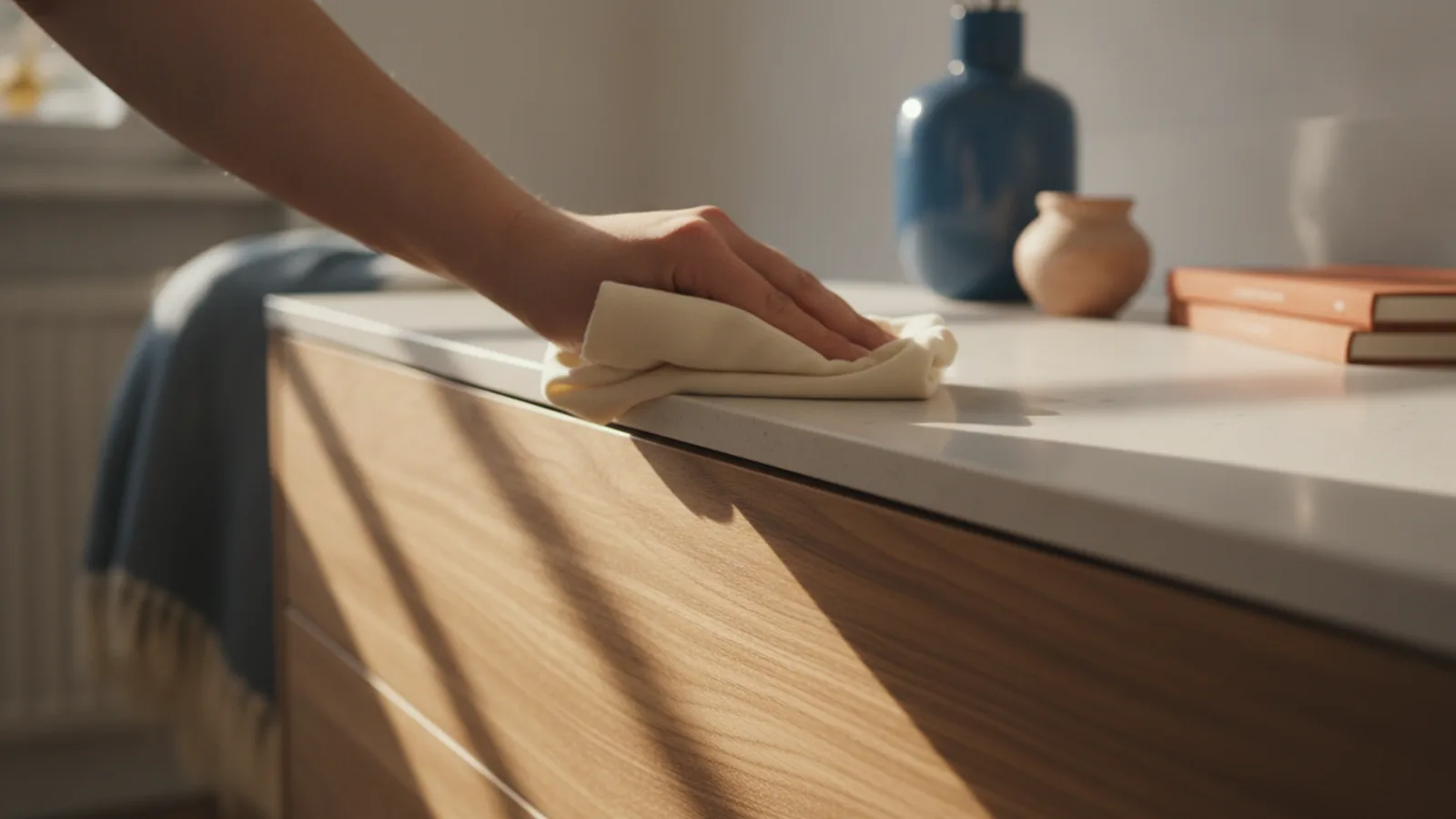
You can make furniture polish at home that buffs dull wood, reduces light water spotting, and adds a gentle protective layer. The trick is matching the formula to your finish and using it sparingly. For most finished wood, a light wax or oil blend works best for day-to-day care.
This guide focuses on natural cleaning products and eco-friendly furniture care. You will learn how to make furniture polish at home with ingredients you can often find at a grocery store. You will also get beeswax options for a more protective finish.
- Oil-based polish adds warmth and helps hide dryness.
- Beeswax polish adds a wax barrier that slows future grime.
- Vinegar cleaning helps cut residue before polishing.
Why homemade furniture polish is worth it
Homemade furniture maintenance can save money because the ingredients are cheap and versatile. A small batch can last weeks if you apply a thin coat. Many commercial polishes also use fragrances and solvents you might not want in your home.
When you choose the recipe, you control what goes on your furniture. This can be a big plus if you have pets, allergies, or want cost-effective cleaning solutions. You can also adjust strength based on how dry the wood looks.
DIY furniture polish can also support eco-friendly furniture care. Fewer aerosol cans and fewer synthetic additives often means less waste. If you use essential oils for scent, use them lightly and only if they do not irritate your household.
Simple, natural ingredients for DIY furniture polish
The most common natural ingredients for DIY furniture polish are olive oil, vinegar, and beeswax. Olive oil helps condition wood, while vinegar can prep the surface by lifting light film. Beeswax provides a protective top layer that makes future cleaning easier.
Essential oils for cleaning can add a pleasant smell and may help mask the base ingredient scent. Good options include lemon, lavender, or tea tree, used in small amounts. Always patch-test first, because some oils can darken certain woods over time.
Here is a practical ingredient guide you can mix and match:
| Ingredient | What it does | Best use |
|---|---|---|
| Beeswax | Builds a protective barrier | Woody surfaces that need a stronger finish |
| Olive oil | Conditions and softens dryness | Dry or matte wood |
| Vinegar | Cuts residue before polishing | Pre-clean step, not heavy soak |
| Mineral oil | Conditioner with low odor | Neutral option for sensitive homes |
| Essential oils | Light scent and comfort | Small drops only |
Step-by-step: how to make homemade furniture polish
Use these steps to learn how to make homemade furniture polish in different styles. Each recipe makes a small batch, so you can test and adjust. Store finished polish in a clean glass jar with a tight lid.
Before you start, check your furniture type. If the piece is unfinished, you may want a different approach. If it is lacquered or very glossy, do a tiny patch test because some oils can soften certain coatings.
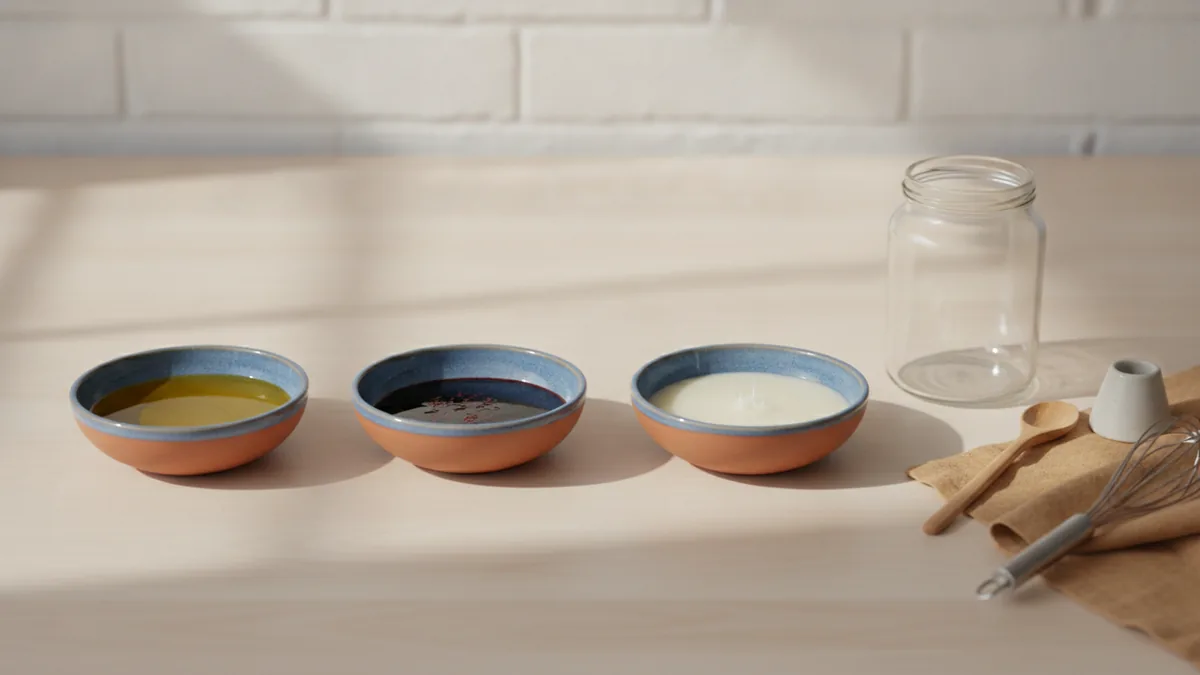
Style A: easy oil polish (no wax)
- Mix 1/2 cup olive oil with 2 tablespoons white vinegar.
- If you want scent, add 5 to 8 drops of your chosen essential oil.
- Stir well in a small bowl or jar until blended.
- Use a clean microfiber cloth to apply a thin layer.
This style is great when wood looks dry but you do not need a thick protective barrier.
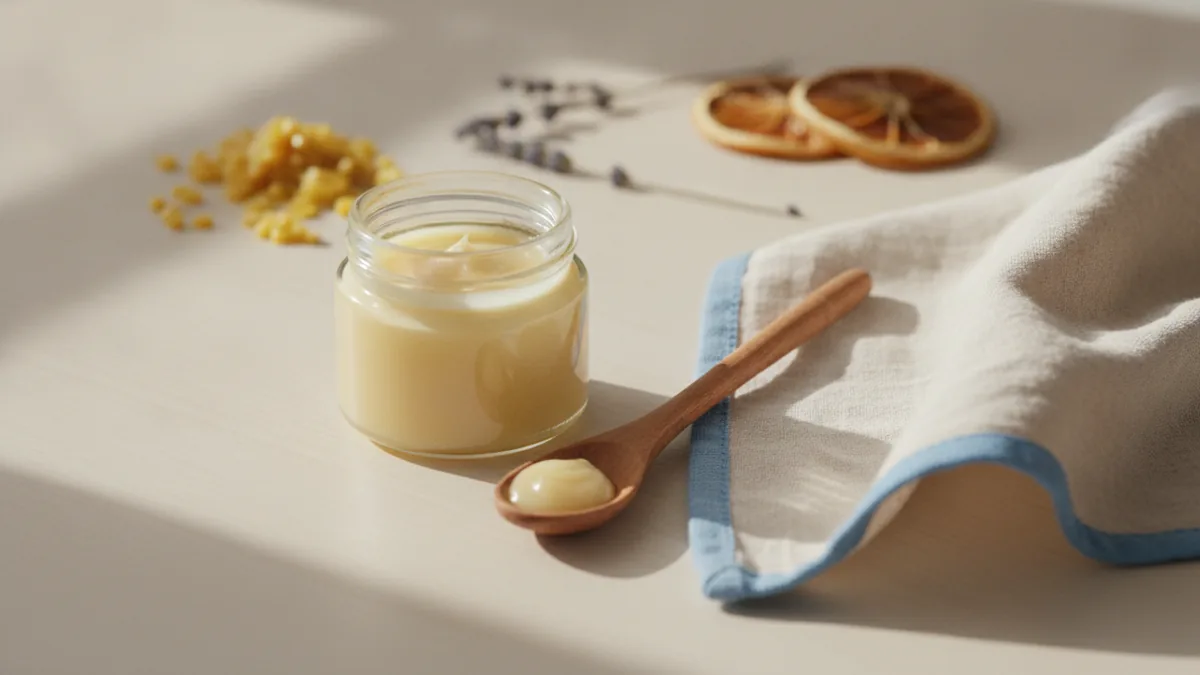
Style B: how to make beeswax furniture polish at home
- Measure 1/2 cup beeswax flakes or finely chopped beeswax.
- In a double boiler, melt the beeswax over low heat until smooth.
- Slowly stir in 1/2 cup olive oil (or mineral oil).
- Remove from heat and let cool until thick like a soft paste.
If you want scent, stir in 5 to 10 drops essential oils after the mixture cools slightly. This can help keep the smell from fading fast.
Style C: a quick spray prep + polish combo
- In a spray bottle, combine 1 cup water with 1 tablespoon vinegar.
- Lightly mist a cloth, not the furniture.
- Wipe off residue with a dry cloth.
- Finish with a thin wipe of oil polish or beeswax paste.
This style works well for eco-friendly furniture care when surfaces look dull from light film.
Recipe variations for different wood types
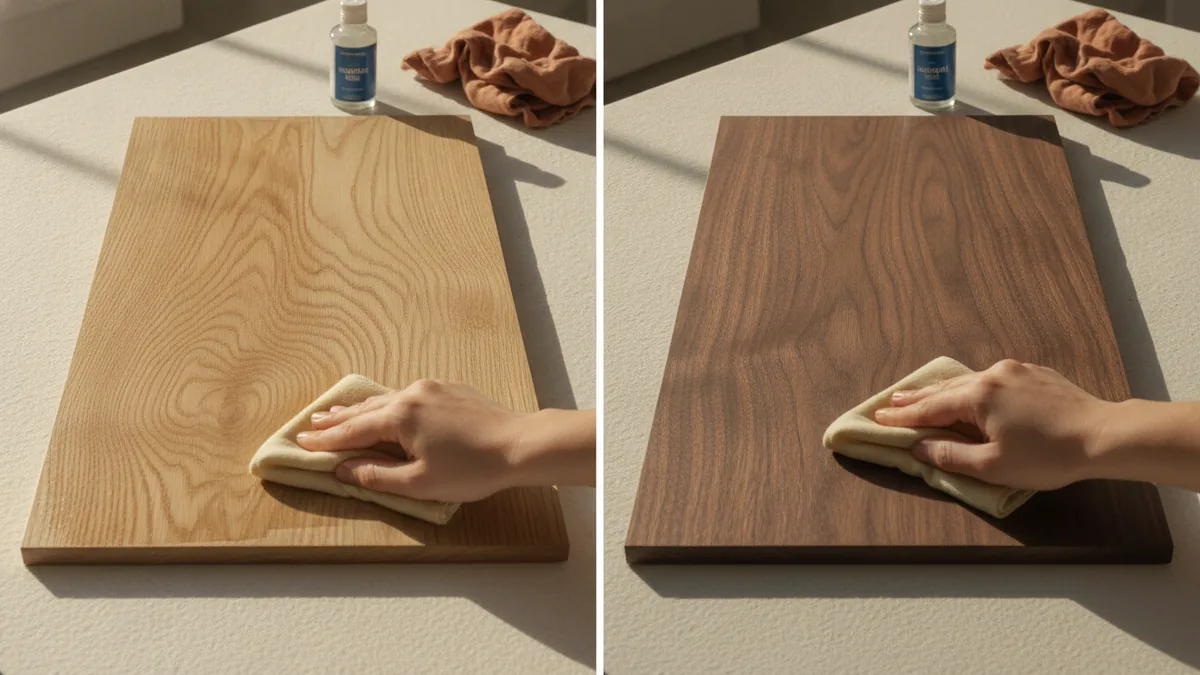
When you learn how to make homemade furniture polish, your next step is matching the recipe to wood. Light woods often show changes quickly, while darker woods can hide buildup. Always patch-test in a hidden spot first.
Here are solid starting points for wood care:
- Oak and maple (lighter woods): use oil polish with less vinegar. Apply a thinner coat and buff longer.
- Walnut and mahogany (darker woods): beeswax paste can deepen the look. Use a soft cloth to avoid haze.
- Pine: oil can soak in fast. Start with a very light application and reapply only if needed.
- Teak-like finishes: use beeswax paste sparingly. Heavy buildup can dull sheen.
If your furniture has a modern protective finish, you usually want a top layer, not a soak. That means thin coats and quick buffing.
You might also be working on furniture restoration projects. For older pieces with unknown coatings, keep the first polish session gentle. If water beads strongly after cleaning, the finish is likely intact. If it soaks in, stop and consider a finish-specific treatment instead.
Alternative recipes for furniture polish
Not every piece needs oil or beeswax. Below are a few alternative recipes that still count as DIY furniture polish, while focusing on specific needs. Choose the simplest option that matches the surface condition.
Beeswax-only buff (strong protection, minimal oil)
- Use 1 part beeswax and 1/4 part oil.
- Make it into a soft paste by melting gently.
- Apply a pea-sized amount for small areas.
This is helpful when wood looks fine but you want stronger dirt resistance.
Olive oil + essential oils “conditioning” blend
- Mix 3 tablespoons olive oil with 1 tablespoon vinegar.
- Add 3 to 6 drops essential oils.
- Shake before use and buff immediately.
Use this for furniture maintenance tips like refreshing a matte look on shelves and cabinets.
What to avoid in DIY polish
- Too much vinegar: it can leave a smell and dry some finishes.
- Too much oil: it can turn into sticky dust-holding residue.
- Harsh solvents: they can strip coatings or brighten unwanted spots.
How to apply polish without damaging wood
The safest way to apply furniture polish is to use a thin layer and buff fully. Many problems come from over-application, not the recipe itself. If you see wet sheen after buffing, you likely used too much.
Here is a simple application routine that works across most DIY furniture polish styles:
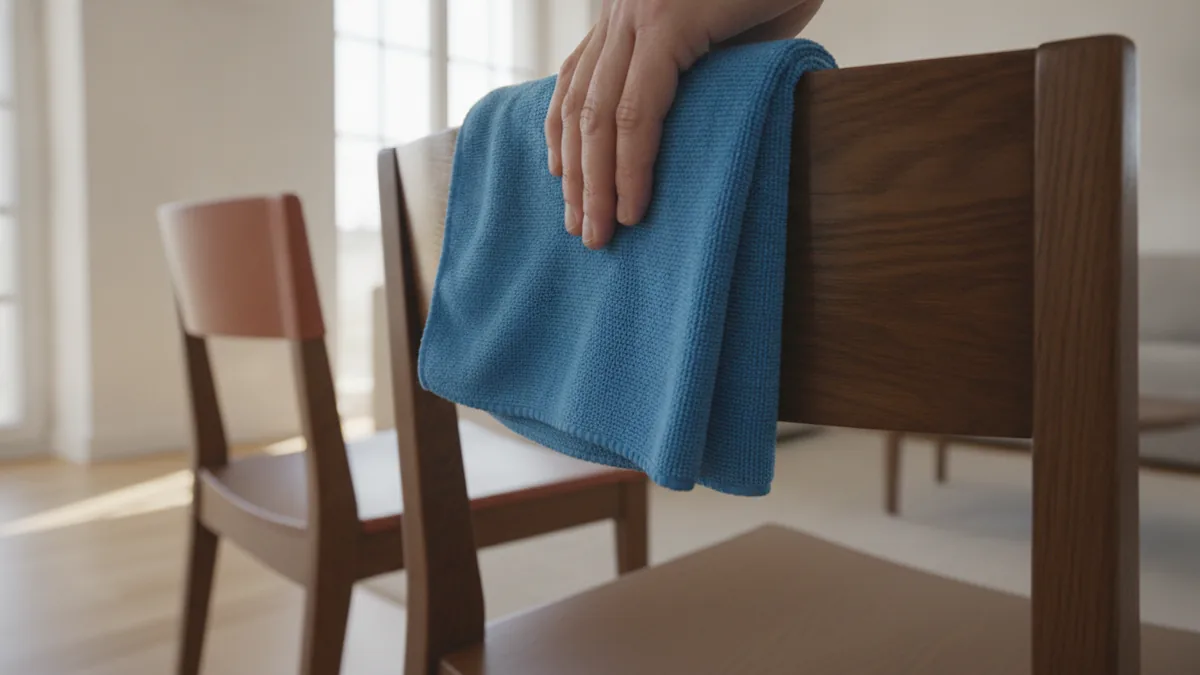
- Dust the surface first using a dry cloth.
- If grime is present, use the vinegar water spray prep on a cloth.
- Let the surface dry completely.
- Apply polish to a cloth, not directly onto the wood.
- Work in the direction of the grain.
- Buff with a clean cloth until the surface looks even.
For beeswax, use less than you think. Beeswax paste can build up and haze if you apply repeatedly without cleaning.
Frequency guidelines
- Light maintenance: every 4 to 8 weeks for high-touch pieces.
- Dry-season care: every 2 to 4 weeks if indoor air is very dry.
- After heavy cleaning: wait 24 hours before polishing.
These times vary by use and sunlight. Watch how the wood responds instead of polishing on a strict calendar.
Cleaning and maintenance for long-lasting wood care
Polish works best when it sits on a clean, dry surface. For daily cleaning, use a dry microfiber cloth first. Then spot-clean with a barely damp cloth if needed, and dry right away.
For eco-friendly furniture care, you can make a basic cleaning routine using gentle natural cleaning products. Vinegar water prep is a good option for light film. Avoid soaking, because trapped moisture can lift veneer edges or swell wood fibers.
If you are doing furniture restoration, plan in stages. Clean first, dry fully, then use a conditioning step and finish with beeswax only when you want protection. If a piece has scratches or peeling finish, polish will not fix structural damage.
Finally, store your homemade furniture maintenance supplies safely. Keep polish jars sealed to avoid dust and separation. Label the jar with the recipe type so you do not mix an oil-only polish with a beeswax batch.
Note: If you have small-scale projects like dollhouse furniture or homemade decorations for your room, reduce the batch size. Apply a micro-thin coat and test under strong light before touching details.
If you are curious about making larger items, you can also use these methods on wooden furniture sliders or display furniture. The same rules apply: thin coats, grain direction, and patch tests.
For makers: If you ever plan to sell homemade furniture, keep your finish plan consistent. Buyers notice texture differences. A repeatable oil-to-wax routine helps you deliver the same feel every time.
Frequently asked questions
- How to make furniture polish at home without harsh chemicals?
- Use olive oil and a small amount of vinegar, then buff with a clean cloth. For added protection, melt beeswax into the oil to make a paste.
- How to make homemade furniture polish that actually protects wood?
- A beeswax-based polish gives the strongest barrier against grime. Apply a tiny amount and buff fully so it does not haze.
- How often should I use DIY furniture polish on wood furniture?
- For most finished furniture, polish every 4 to 8 weeks. If the air is very dry, you can do it every 2 to 4 weeks.
- Can I use essential oils for cleaning in furniture polish?
- Yes, but use only a few drops. Add them after slightly cooling the mixture so the scent lasts longer.
- What is the safest way to apply furniture polish to avoid damage?
- Dust first, then apply polish to the cloth, not the wood. Work with the grain and buff until the sheen looks even.
- Will homemade furniture polish work on all wood types?
- It works best on finished or sealed wood. For unfinished wood or unknown coatings, patch-test and start gently.
Related reading
Couch Placement—Flow, Focus and Comfort
Place your couch to frame a focal point, keep paths clear, and make the room feel balanced.
Master Bedroom — Color, Comfort and Personal Style
Build a calm, personal bedroom with smart choices and a budget that works.
Room Painting Labor Costs — Rates and Budget Factors
See typical room-painting labor rates and learn what drives the final price.