How to Make a Dark Living Room Brighter: Paint, Lighting, Mirrors
Brighten a dark room with paint, layered lighting, mirrors, and smart decor.
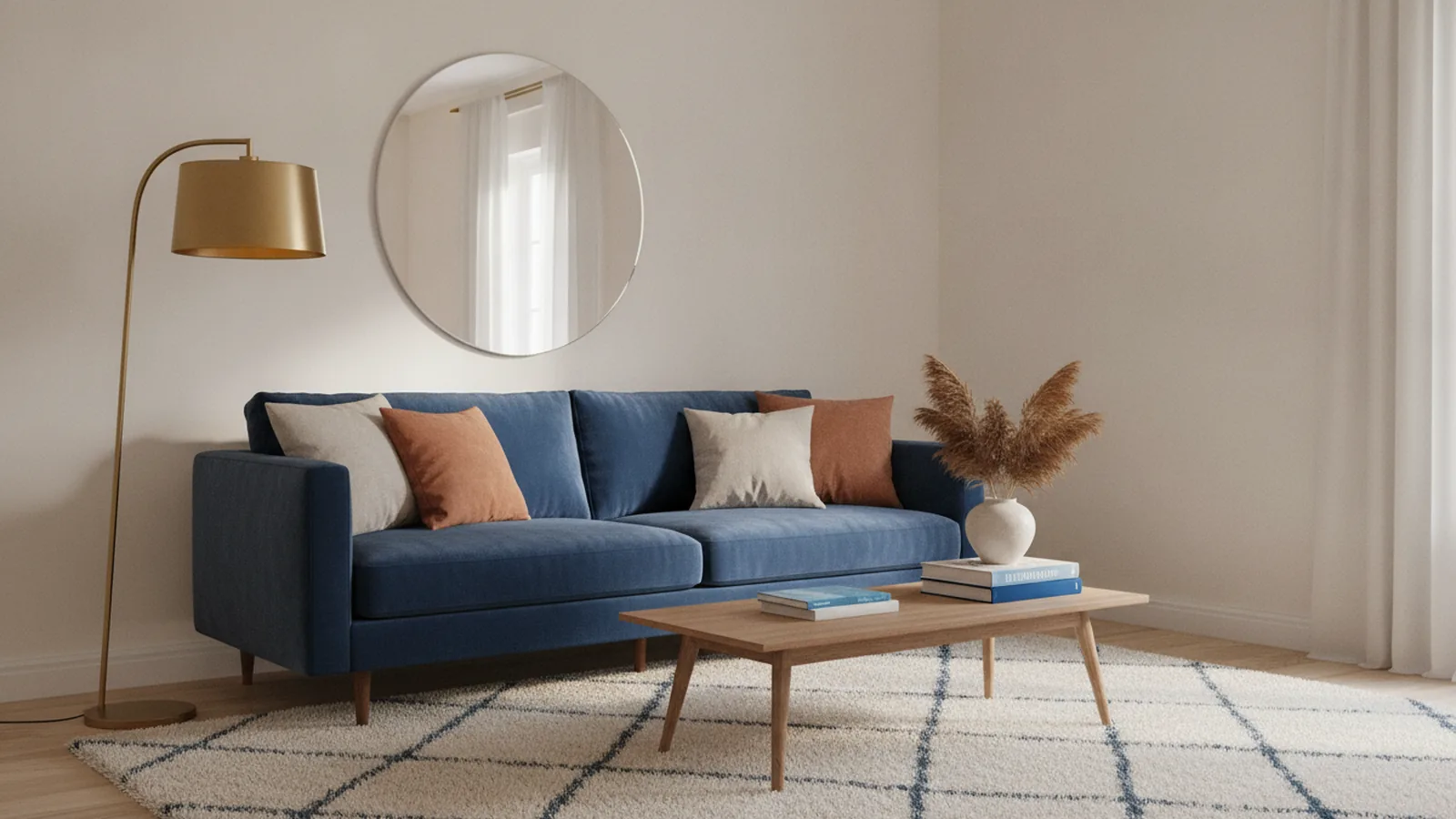
If you’re wondering how to make a dark living room brighter, start with two moves: choose lighter colors and build layered lighting. Dark rooms feel gloomy because they absorb more light, not because you “lack brightness.” With the right paint tone, lamp placement, and mirror use, you can lift the room’s look without adding costly renovations.
This guide focuses on practical interior design tips you can apply in an afternoon. You’ll also get simple checks for paint, lighting design, and room layout. Use it room by room, since small changes add up fast.
Understanding why dark rooms feel darker
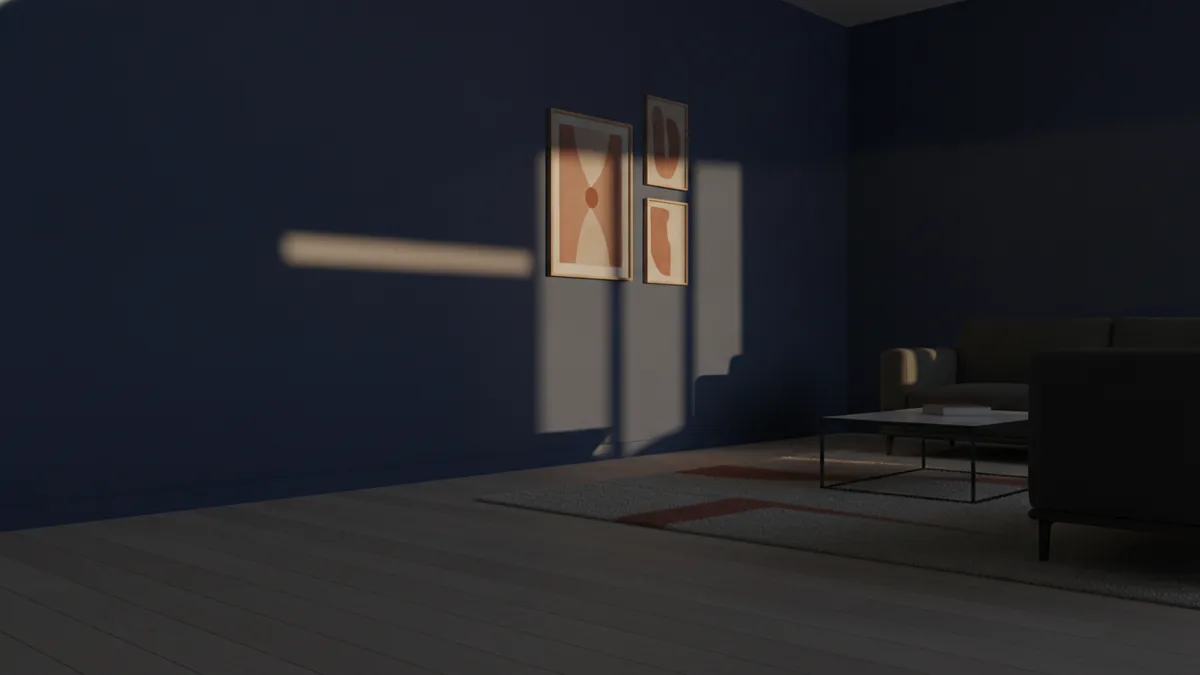
Dark colors swallow light. A deep charcoal wall can reflect only a small share of what hits it, so the room loses brightness twice. First, the color itself absorbs light. Second, less reflected light means softer shadows and fewer “high points” for your eyes to rest on.
The result is often a gloomy atmosphere, even if you own several lamps. When surfaces are very dark, you also tend to place furniture and decor in the heaviest tones. That stacks up visual weight and makes the space feel smaller.
Before you change anything, do a quick audit at two times: daylight and evening. Notice which corners look empty, where shadows pool, and which walls never get light. Those are your targets for paint, lamps, and mirrors.
- Dark walls absorb more light and reduce reflected brightness.
- Low-contrast decor can blend into the walls and hide shapes.
- Corner shadows often signal missing light sources.
- Clutter blocks light paths and adds a “busy dark” feel.
Color choices for brightening with paint
If you want how to make a dark room brighter with paint, your safest path is a lighter base with warm, reflective undertones. Whites and pastels reflect more light because they bounce a larger portion of visible light. But not all whites work the same, especially in rooms with limited natural light.
Try one of these directions and test it. A warm off-white (often described as “creamy” or “soft ivory”) keeps rooms from feeling harsh. A pale greige adds warmth while staying bright. For color, consider light versions of your favorite hues, like dusty blue or pale sage.
One key detail is sheen. Flat paint hides wall flaws, but it also dulls light. Satin or eggshell finishes typically reflect more light, so rooms look brighter without changing the color itself.
When you paint, focus on the largest surfaces first. That usually means walls, and then the ceiling if it’s painted dark. A ceiling in a light tone can lift the whole room because it “returns” light overhead.
- Pick a light base: warm off-white, pale greige, or a soft pastel.
- Choose the right sheen: eggshell or satin for extra light bounce.
- Use contrast wisely: keep trim lighter than dark walls, not darker.
- Test before committing: paint sample patches on two walls.
Lighting solutions to consider for real brightness
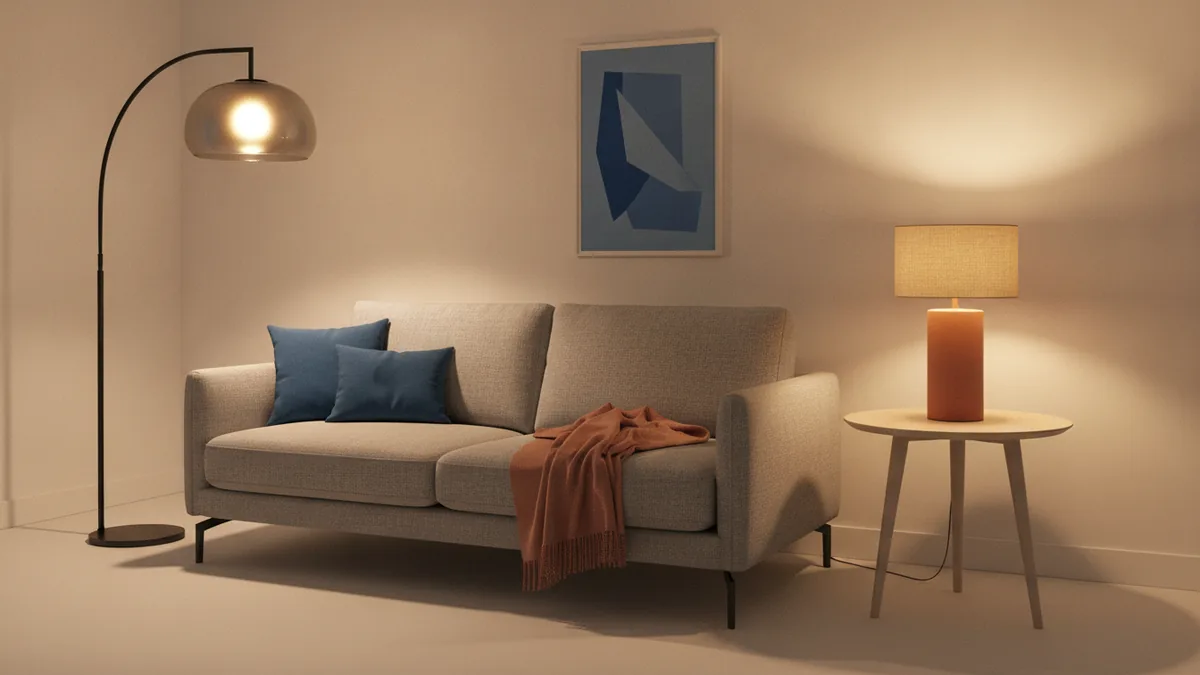
To make living room brighter, treat lighting like a system, not a single overhead bulb. Good lighting design uses three layers: ambient, task, and accent. Ambient gives overall coverage. Task lighting helps with reading or hobbies. Accent lighting makes features pop and reduces the “flat dark” look.
Start with ambient lighting, then fill gaps with lamps. Many living rooms feel dim because overhead fixtures sit too high or have shades that block light. Replace or adjust the fixture, then add floor and table lamps to create light across different heights.
Here’s a simple way to plan lamp layers. Place one light near seating for comfort and eye flow. Add another near a side table, console, or reading chair. Then add an accent lamp aimed at art, a textured wall panel, or a shelf.
For lamp bulbs, aim for warm white if the room feels cold. For many homes, 2700K to 3000K creates a cozy glow that still reads as bright. Use higher lumen bulbs where the fixture allows it, but confirm compatibility before buying.
- Ambient lighting: a ceiling fixture, or multiple soft-glow lamps.
- Task lighting: a reading lamp with focused light.
- Accent lighting: a lamp or small spotlight to highlight decor.
Don’t underestimate height. Floor lamps can wash a wall with light, which reduces heavy shadows near the floor. Table lamps add close-range light for faces and surfaces. Together, they make the room feel “lit from within.”
Decorative tips and accessories that add light
Decor can brighten a dark room when it reflects light and creates clarity. Swap heavy, dark textiles for lighter ones where possible. That doesn’t mean everything must match. It means you want more light-colored fabric and a few shiny accents.
Start with the biggest fabric areas: curtains, rugs, and throw blankets. Choose light curtains that let daylight through. Then select a rug with a lighter pattern or tone so the floor looks less like a void. If your rug is very dark, add a lighter throw or cushion to bring contrast into the seating zone.
Next, use accessories that catch light. Picture frames in brushed metal, ceramic vases in off-white, and light-toned ceramics can all help. If you have dark shelves, consider adding a few lighter books or objects spaced out. Visual breaks reduce that “cramped dark” feeling.
Decluttering is also part of brightness. A busy surface absorbs light because it adds many edges and visual layers. Try removing items from shelves and side tables for one week. Keep the essentials and group the rest in closed storage.
- Reduce visual clutter on shelves and tabletops.
- Swap textiles toward light fabrics and lighter tones.
- Add reflective accents in metals, glass, or ceramics.
- Create spacing so furniture looks less crowded.
Using mirrors and reflective surfaces to bounce light
Mirrors are one of the fastest ways to how to make living room brighter without changing paint. They bounce light back into the room, which makes walls and corners look less dim. The key is placement.
Place a mirror across from a light source or near a window. If daylight hits the window, the mirror should reflect that light deeper into the room. If you only mirror a dark wall, you’re reflecting darkness.
Try these placement ideas for better bounce. Hang a mirror opposite a lamp so the light spreads. Use a tall mirror beside a sofa to expand sight lines. For extra impact, choose a frame with a light finish, like brushed gold or matte white.
Reflective surfaces can also help. A glass coffee table, a glossy vase, or a light-colored tray on a sideboard can add sparkle and depth. Keep it balanced, though, so the room doesn’t feel overly shiny.
- Mirror the light: place it across from a window or lamp.
- Use height: tall mirrors lift the feel of the space.
- Pick light frames: lighter frames reflect more light.
- Add small reflections: glass and glossy accents work best in moderation.
Window treatments that bring natural light (and still protect privacy)
Natural light is the easiest brightness multiplier. If your windows are covered with heavy, dark drapes, you’re cutting the room’s light at the source. Switch to treatments that control glare without blocking everything.
Consider light-filtering curtains in sheers or airy weaves. They can keep privacy while still letting daylight travel into the room. For better control, use layered window treatments. Pair a sheer layer with a lighter blackout or room-darkening layer for evenings.
Curtain color matters too. Choose light fabrics like ivory, warm white, or pale beige. Avoid near-black curtains if the goal is brightness. Also check the length and hang height. Hanging curtains closer to the ceiling and letting them rise above the window frame can make the window look taller and improve light flow.
Finally, keep window areas tidy. Trapped items on sills block light. Use simple, low-profile hardware so the fabric stays open when you want brightness.
- Use light-filtering sheers for daytime brightness.
- Layer treatments for privacy and easy evening control.
- Choose light curtain colors like ivory or pale beige.
- Hang high to make windows feel bigger.
Quick room layout moves that prevent “dark zones”
Even with the right paint and lamps, layout can create dark pockets. Couches pushed deep into corners often block lamp light and trap shadows. Give pathways and walls some space so light can move through the room.
Start by moving the largest furniture piece slightly off the back wall, if your layout allows. This creates room for a floor lamp behind or beside the seating area. Then reposition lamps so light lands on walls, not just on the floor.
Use your earlier daylight audit to guide the changes. If a corner looks dim at 6 p.m., add a light there or redirect existing light with a mirror. Treat lighting as a conversation between objects, walls, and windows.
After changes, reassess. Brightness is not just how much light you have. It’s how evenly the room reflects it.
| Problem you see | Most likely fix | Fastest upgrade |
|---|---|---|
| Gloomy walls | Use lighter paint and reflective sheen | Off-white walls + eggshell finish |
| Shadows near seating | Add floor and table lamps at different heights | Floor lamp beside the sofa |
| Window feels blocked | Switch to light sheers | Ivory curtains with airy fabric |
| Room feels cramped | Declutter and create visual space | Clear shelves and simplify decor |
| Light stays trapped in corners | Place mirrors to bounce light deeper | Tall mirror opposite a window |
Bring it together: a simple upgrade path
If you want the highest impact, do things in this order. First, declutter so light paths aren’t blocked by extra objects. Next, brighten your walls with a light tone and suitable sheen. Then build your lighting layers with ambient lamps, task lights, and one accent feature.
After those steps, add mirrors to push light farther into the room. Finally, fine-tune curtains so daylight can enter and privacy still works. This sequence avoids redoing work and helps each change support the next.
When you combine light paint, layered lamps, reflective surfaces, and smart window choices, your room reads brighter instantly. The room will feel more open, calmer, and easier to live in.
Frequently asked questions
- How do I make a dark living room brighter without remodeling?
- Start with decluttering and add layered lamps. Then swap to lighter paint on the biggest wall surfaces and use a mirror to bounce light.
- How to make a dark room brighter with paint specifically?
- Use warm off-white or pale pastel tones, and choose eggshell or satin sheen. Test sample patches on two walls before painting the full room.
- What lighting is best for dark living rooms?
- Combine ambient lighting with task lights for reading and accent lights for features. Use floor and table lamps so light reaches different heights.
- Where should I place mirrors to brighten a room?
- Hang mirrors opposite a window or across from a lamp. This helps reflect actual light deeper into the room instead of reflecting darkness.
- Do curtains affect how bright a living room feels?
- Yes. Light sheers or light-colored curtains let daylight in while keeping privacy options open.
- How can I avoid making the room feel smaller when I brighten it?
- Use a lighter rug tone, keep furniture clear of corners, and reduce visual clutter. Leave some open space on shelves and side tables.
Related reading
Long Walls — Ideas That Add Balance and Character
Make a long wall feel balanced with color, art, shelves, and warm light.
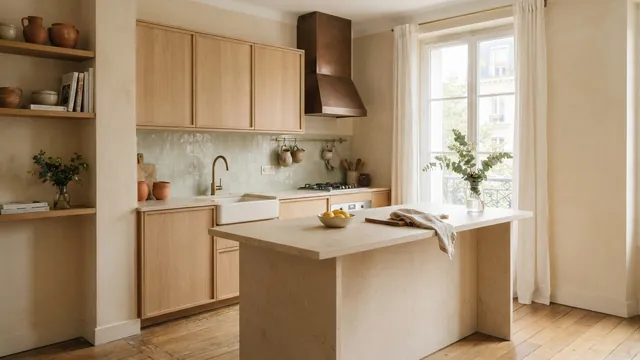
Modern Kitchen Design: Form and Function
Plan a modern kitchen that balances clean style with everyday ease.
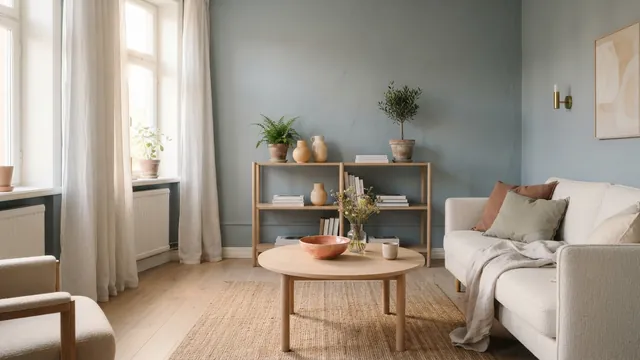
Curtains for a Blue Room — Color, Texture and Scale
Pair blue walls with curtains that suit your light, style, and room size.