How to Design a Small Dining Room That Feels Bigger
Learn how to decorate a small dining room with smart furniture scale, color, storage, mirrors, lighting, and inviting decor ideas.
Maximize space first, then style
If you want to know how to decorate a small dining room, start with space. A small dining room looks larger when furniture fits the path to chairs and doors. Good design also keeps sightlines open, so the room feels less boxed in.
Think like an organizer, not a decorator. Space optimization means you plan furniture arrangement around daily movement. Leave clear walking space, and avoid filling every surface.
A helpful target is 30–36 inches of clearance around the table. For a tight room, prioritize access to at least one side. That one choice often decides whether the space feels calm or cluttered.
- Map door swings and traffic routes before buying anything
- Pick one “anchor” piece, usually the table, then build around it
- Keep chair backs from hitting the wall when seated
Choose the right furniture scale and function
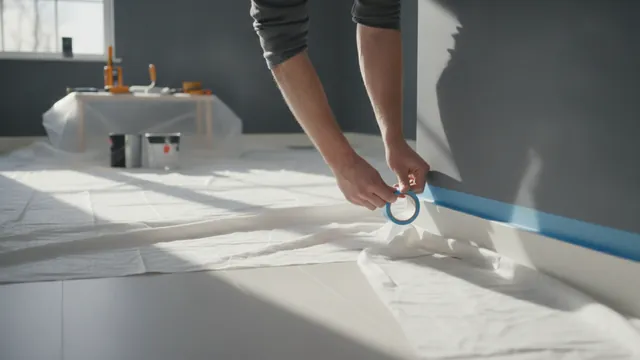
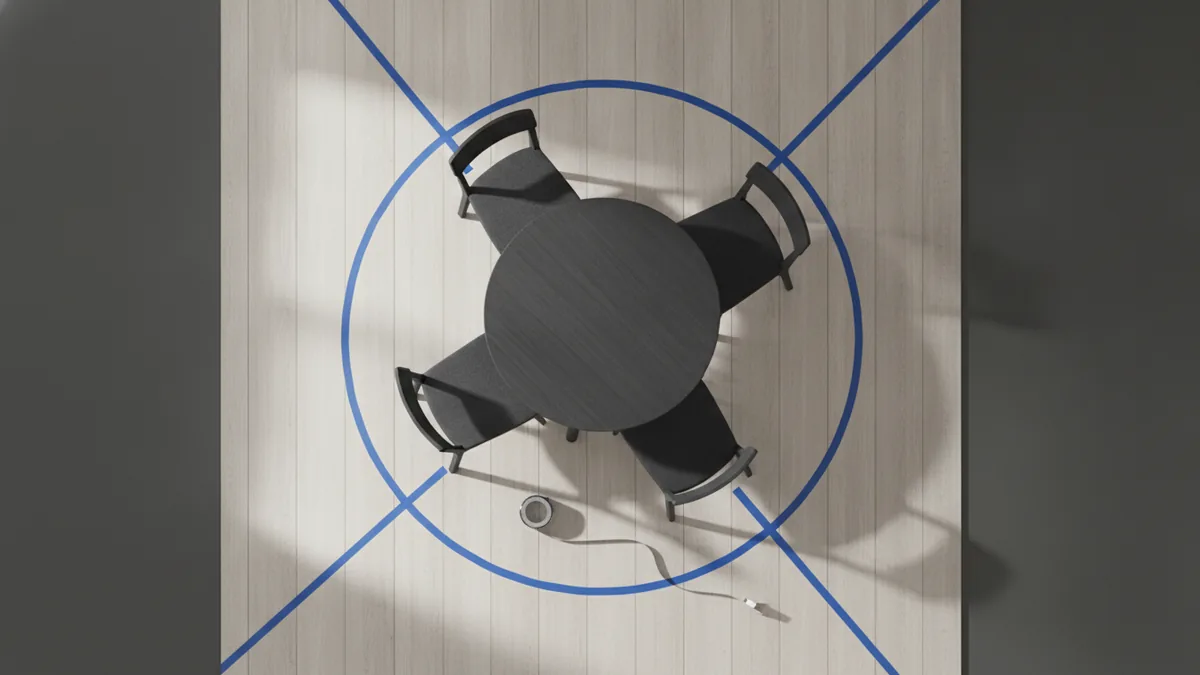
Furniture scale is the biggest lever in how to decorate a small dining room space. Oversized dining sets shrink the room even if they look beautiful. Measure your room and then measure your intended layout in tape on the floor.
Function matters as much as size. Look for dining tables that handle everyday use, not just special dinners. Extensions are great, but built-in storage can be even more useful in small rooms.
Consider these practical furniture picks for small dining rooms. They keep the look tight while adding real usability.
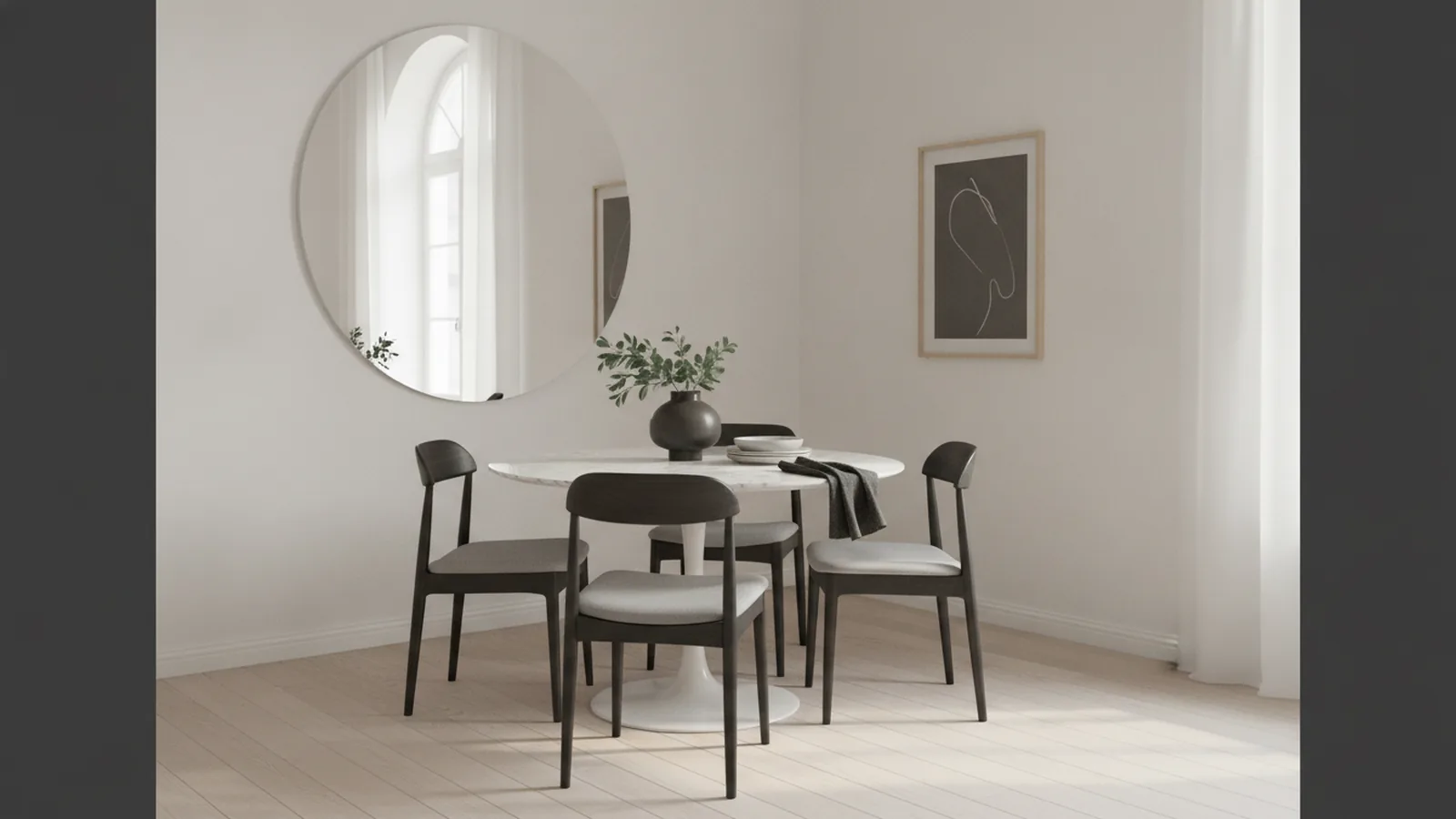
- Choose a round or oval table to reduce sharp corners
- Prefer chairs with slimmer profiles or armless options
- Use a bench on one side to free up walking space
- Go for a table with a smaller footprint and room for growth
If you are figuring out how to decorate a small dining room table, keep the table top light. Use a runner only if it does not crowd the center. For daily meals, a tray for salt, pepper, and chargers keeps small items contained.
Use color psychology to balance “cozy” and “open”
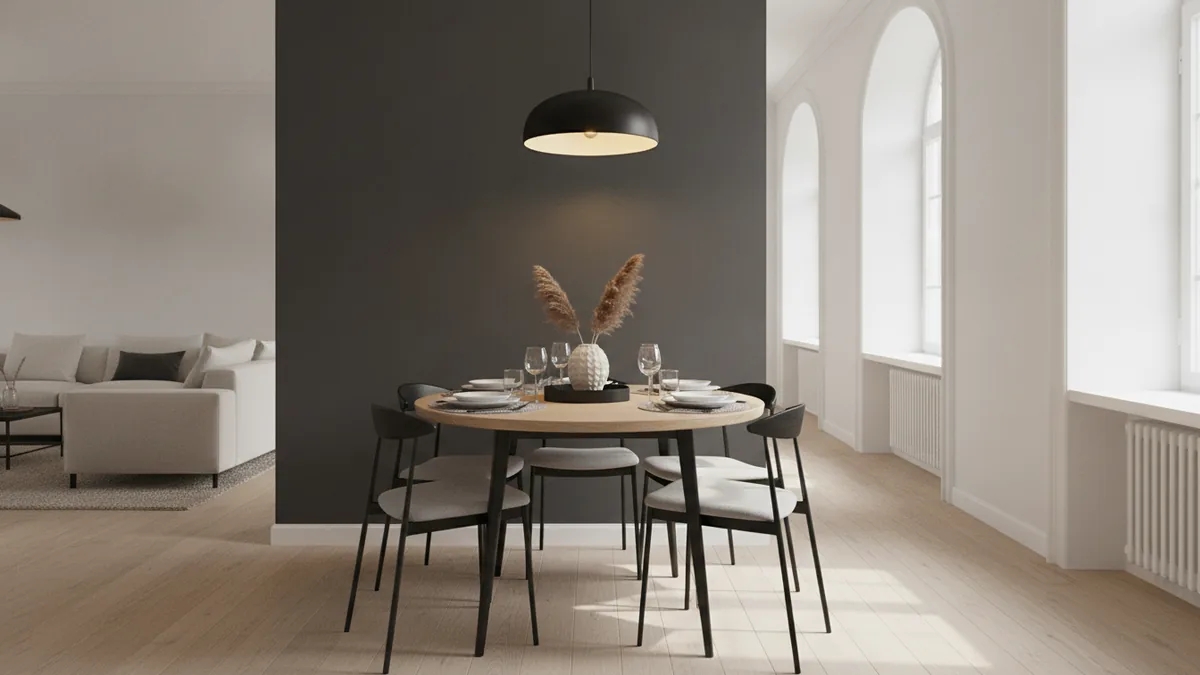
Color choices strongly shape how a dining room feels. Many people assume dark colors make rooms smaller. But the right deep color with the right lighting can feel rich and still roomy.
For a quick win, paint the walls in a light, warm neutral. Think soft cream, pale greige, or light beige. These shades reflect light and help your eye move across the room instead of stopping at edges.
If you want more drama, create contrast with one accent wall or with furniture. A darker dining table can look stylish against light walls. Just avoid too many dark pieces close together.
| Goal | Wall color idea | Trim idea |
|---|---|---|
| Make it feel larger | Warm white or light cream | Keep trim bright and clean |
| Make it feel cozier | Muted greige or soft taupe | Use warm off-white trim |
| Add a stylish focal point | One muted deep accent | Paint the rest in a light neutral |
Patterns also help or hurt. Small prints can work, but too many competing patterns feel busy. Choose one pattern for chairs, curtains, or art, then keep other items solid.
Mirrors are a fast way to stretch perceived space. Place a mirror on a wall that reflects a window or light source. This boosts brightness and gives your eye a “second view” inside the room.
Add storage hacks that keep the floor clear
Storage is where small dining room design often succeeds or fails. If items spill onto tabletops and sideboards, the room will look crowded. Target storage hacks that keep surfaces calm and walkways open.
Vertical shelving is a strong option. It uses wall height without taking up floor area. In dining spaces, you can store extra plates, glassware, and serving tools up high.
Multi-functional furniture is also worth the investment. A bench with lift-top storage hides linens and extra placemats. A sideboard with drawers keeps everyday items reachable.
- Install a narrow cabinet near the entry for daily clutter
- Use wall hooks for aprons, bags, or dining towels
- Choose stackable or nested serving pieces to save cabinet space
- Hang floating shelves to free up the wall behind a chair
When you store, follow a simple rule. Keep “frequent use” within arm reach, and move less-used items higher or deeper. This makes the room feel organized even when you are busy.
Create an inviting dining atmosphere with smart placement
Your atmosphere comes from how the seating feels and how the room connects. Start with seating arrangement. In a tight footprint, pull chairs away from the table edges only as needed for comfort.
Benches can be a smart choice. A bench on one side often allows more seats in less space. It also helps create a continuous look along the wall.
Built-in seating is another option if you are renovating. A built-in banquette can run along a wall and include storage underneath. Even without a full renovation, you can add a freestanding bench that mimics the built-in feel.
- Place the table so chairs do not block doorways
- Choose one seating style for visual calm
- Add cushions or seat pads for comfort on long dinners
- Keep the table surface uncluttered so the room breathes
For how to design a small dining room, aim for “comfort first” angles. If guests feel close but not cramped, the room reads as inviting. If the path to seats feels tight, the room reads as stressful.
Incorporate lighting design that makes the room feel larger
Lighting design can change both mood and perceived space. A small dining room needs layers, not one overhead fixture. Use a ceiling light for basics, then add a lamp or wall light for glow.
Warm light usually feels more inviting at dinner time. A light around 2700K to 3000K often flatters skin tones. If you use dimmers, you can shift from bright for hosting to soft for evenings.
Mirrors help lighting work harder, too. When a mirror reflects light, the room feels bigger without adding square footage.
- Install a dimmer on the main overhead light
- Use a pendant with a clear line of sight over the table
- Add a wall sconce to bounce light off painted walls
- Choose light shades on lamps to reduce harsh shadows
Finally, check glare. If light bounces off a glossy floor or tabletop, the room can look more chaotic. Matte finishes often feel calmer in small spaces.
Decorative accents that complement a small dining room
Decorate with intention and you will get style without clutter. Think of accents as “signals” for the room’s purpose. A dining room should look like a place where people want to stay.
Pick one or two focal points. Art above the table is a classic choice, but keep it sized to the wall. If the ceiling is low, choose a wider piece rather than a tall one.
Textiles can also soften a small dining area. Use curtains if you have windows, and choose a fabric that drapes rather than stands away from the glass. Coordinated chair cushions and a cohesive table runner add polish.
When learning how to decorate a small dining room table, focus on repetition. Use matching placemats, napkins, and simple center pieces. For everyday meals, try a single tray with a small vase. For gatherings, swap in candles or a low floral arrangement.
- Choose one metal finish for hardware, frames, and light fixtures
- Use greenery sparingly for fresh color without crowding
- Keep wall decor at eye level for a balanced feel
- Go for a low centerpiece so sightlines stay open
With the right furniture scale, thoughtful color, practical storage, and layered lighting, your dining room can feel both larger and more personal. Small rooms reward clarity. When every piece earns its place, the space looks designed, not packed.
FAQ
- How do I decorate a small dining room without it feeling cramped?
- Start by measuring clearances around the table and keep at least one main walking route open. Choose slim chairs or a bench, and limit decor to one or two focal points.
- What table shape is best for a small dining space?
- Round or oval tables often feel friendlier because they reduce corner crowding. If your room is long, a narrow rectangle can work well when paired with smart chair placement.
- How do I decorate a small dining room table for everyday use?
- Use a tray to group small items and keep the center low so sightlines stay open. Stick to a simple runner or placemats, then swap in a small vase or candles for guests.
- Do mirrors really help in a small dining room?
- Yes. Place a mirror where it reflects a window or light source to increase brightness and depth. It can make the room feel larger without adding bulky furniture.
- What lighting design works best for small dining rooms?
- Use layered lighting: a main fixture plus a lamp or wall light for warm glow. Add a dimmer if possible so the room can shift from bright to cozy.
- What storage solutions work in a compact dining area?
- Go vertical with narrow shelving and wall storage. Use multi-functional furniture like a bench with storage or a sideboard with drawers to keep surfaces clear.