How Much Does a Kitchen Renovation Increase Home Value?
Learn how kitchen remodel cost vs value works, typical ROI ranges, and what drives housing market value increase after a renovation.
Why kitchen renovations matter to buyers
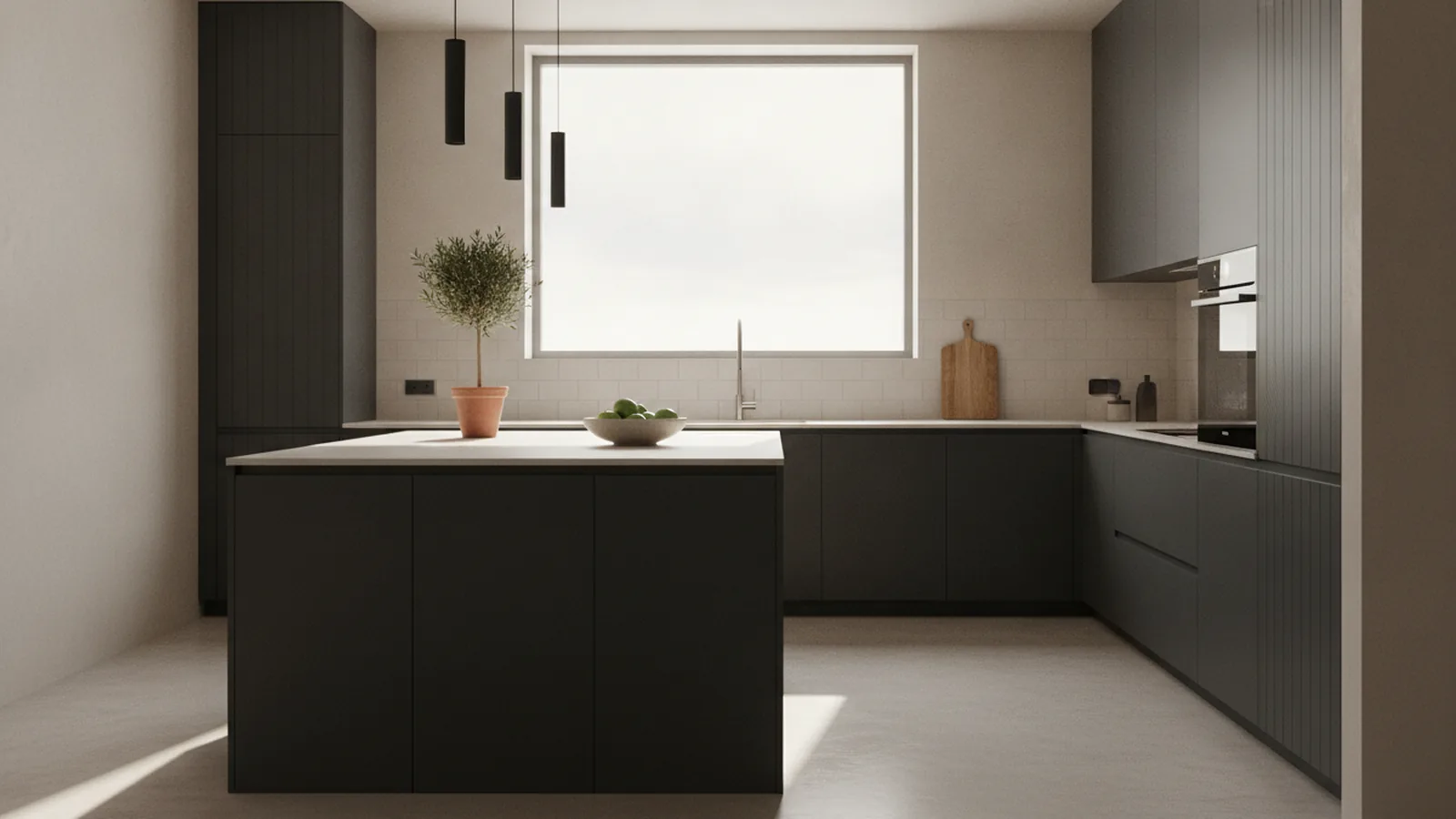
If you are wondering, “how much does a kitchen renovation increase home value,” the practical answer is this: it often boosts value, but recouping costs depends on your local market and renovation level. Kitchens are a top priority for homebuyers. They shape first impressions and can influence whether buyers see a home as move-in ready.
Kitchen upgrades also line up with common home buyer preferences. Buyers tend to notice daily-use items like storage, lighting, and how appliances fit the space. Even small improvements can reduce friction during showings, which helps when competing offers show up for similar homes.
That buyer focus is why kitchen remodeling costs can feel high. It is also why planning matters. You want updates that match today’s kitchen design trends and the expectations of buyers in your area.
- Better layout and lighting can make the home feel larger
- Updated surfaces and fixtures can feel “current”
- Modern appliances can reduce perceived upkeep

What a kitchen renovation typically costs
The next question in “does kitchen renovation increase home value” is usually budget. Remodeling costs swing widely because “kitchen renovation” can mean anything from refresh work to a full overhaul. Many homeowners fall into two broad tiers: minor updates and major renovations.
Average kitchen remodel costs are often cited as about $21,000 for minor updates. Major kitchen overhauls average around $126,000. Your final kitchen remodel cost vs value number will depend on scope, finishes, labor rates, and how much you change the layout or plumbing.
To estimate your budget more realistically, separate your scope into categories. Then map those categories to what buyers will actually notice. Buyers usually value visible quality and functional improvements more than hidden upgrades.
| Renovation scope | Typical cost range (average) | Common examples |
|---|---|---|
| Minor | ~$21,000 | New countertops, cabinet refacing, updated fixtures, paint, appliance upgrades |
| Major | ~$126,000 | New layout, new cabinetry, upgraded electrical/plumbing, premium countertops and flooring |
One more point: remodeling costs are not just materials. If you move walls, relocate plumbing, or add electrical circuits, labor and permitting rise fast. Those moves can be worth it when they improve flow, but they also increase your risk of undershooting ROI.
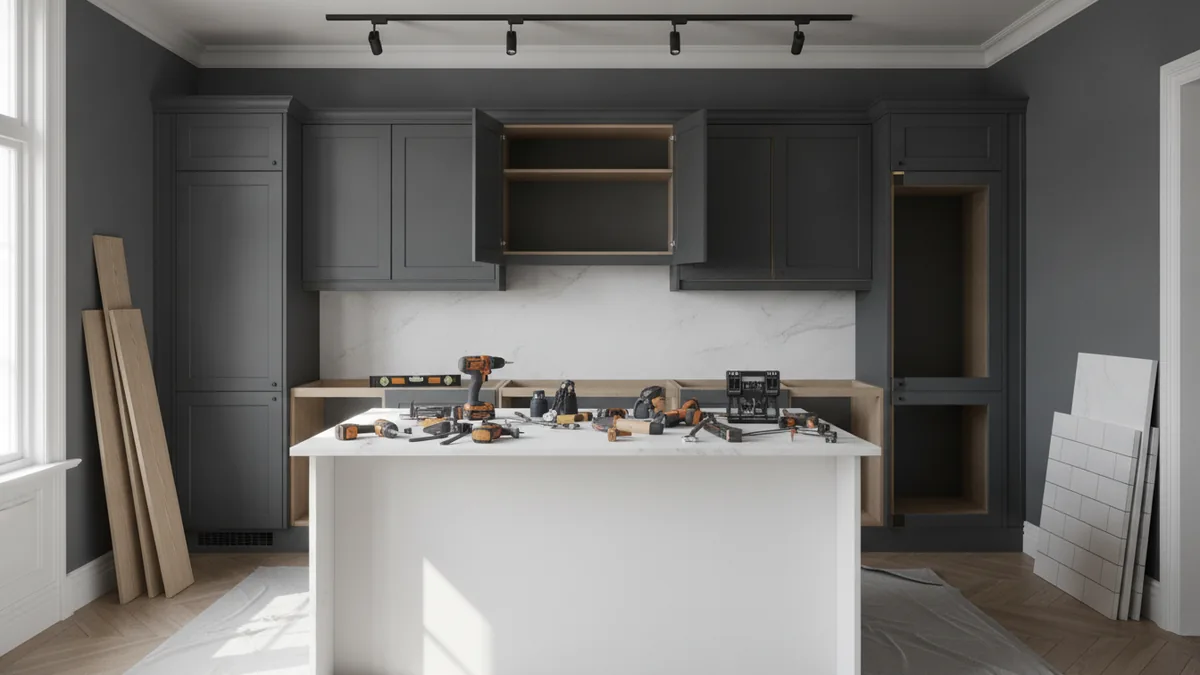
How renovations change home value (and why it varies)
Most of the time, home renovations increase home value. However, the amount recouped can vary based on cost and local real estate market dynamics. That means the same kitchen remodel can perform differently in two neighborhoods.
Housing market value increase is affected by supply and demand. If your local inventory is tight and buyer demand is high, “move-in ready” homes often sell for stronger premiums. If the area is saturated with recently updated homes, the premium shrinks.
Geographic location matters because labor and materials are priced differently. It also matters because buyers in different regions expect different kitchen design trends. For example, some areas favor bright white finishes, while others lean toward warmer tones and natural stone looks.
Even when you aim for quality, the timing of your sale influences outcomes. Real estate market trends shift, and buyer expectations can change within a few years. Planning your remodel when you have enough time to market the home can help you capture value before tastes move again.
- Higher-end finishes may not fully recoup cost outside your price band
- Layout improvements can help more than chasing luxury hardware
- Markets with fewer updated kitchens often reward renovations more
Kitchen renovation ROI: how to think about return
“Kitchen renovation ROI” is the percent of renovation cost you recover at sale. The common figures homeowners see are averages across markets, so your result could be higher or lower. Still, these benchmarks help you sanity-check a project before you commit.
For a major kitchen renovation, the national average ROI is about 54%. For a minor renovation, the national average ROI can reach about 81%. That gap makes sense because minor work often upgrades what buyers see without triggering the largest construction costs.
To estimate your likely range, use a simple model. Multiply your expected renovation cost by the ROI benchmark for your scope. Then adjust for your local market conditions and your home’s price segment.
| Renovation type | Typical national average ROI | What that means for recouping costs |
|---|---|---|
| Minor update | ~81% | About $0.81 recovered per $1 spent, on average |
| Major overhaul | ~54% | About $0.54 recovered per $1 spent, on average |
Here is an example. If you spend $25,000 on minor kitchen work, a rough ROI estimate might suggest value recoup of around $20,250. If you spend $150,000 on a major overhaul, a rough estimate might suggest recoup of around $81,000.
These numbers are not guarantees. They are decision tools that help you compare options. Your best path is pairing smart renovation choices with features that match buyer desirability.
What drives value increase after your remodel
When people ask “how much does a kitchen renovation increase home value,” they usually expect a single answer. In reality, buyer response is driven by a short list of factors. Kitchen features that can influence buyer desirability include new appliances, countertops, and modern layout designs.
Appliances matter because buyers imagine daily use. New or high-quality appliance sets can reduce the “what will break next” worry. Countertops are also high-impact because they anchor the kitchen’s visual feel.
Layout changes can deliver real value, but only when they fix a functional problem. For example, better traffic flow, improved work zones, and smart storage often play well. A layout that creates dead corners or forces awkward movement can hurt perceived value.
Below are the most common drivers of home value increases, with examples of what to prioritize.
- Scope aligned to your market Your finishes should match the price band of local buyers.
- Visible quality upgrades Countertops, flooring, lighting, and cabinet faces get noticed.
- Appliance and fixture reliability Buyers often weigh wear-and-tear when making offers.
- Kitchen design trends that stay relevant Aim for clean, bright, and flexible styling.
- Real estate market trends Timing and competition affect housing market value increase.
Also, remember that remodeling cost versus value is not only about materials. Permits, electrical work, plumbing adjustments, and ventilation upgrades can meaningfully change the final budget. When those costs rise without boosting functionality, ROI tends to fall.
Tips to maximize kitchen remodel cost vs value
Maximizing kitchen renovation ROI means focusing on the parts that buyers evaluate quickly. You also want to avoid “surprise” budget creep that pushes you beyond what your market pays. Smart renovation choices reduce risk and help keep your project within the spending level that recoups well.
Start by comparing your home to nearby kitchen comps. Look at similar homes that recently sold, and note the differences that buyers likely cared about. If your neighbors have updated countertops but dated cabinets, a targeted plan may outperform a full rebuild.
Then prioritize upgrades with the strongest buyer visibility. Below is a practical approach that many homeowners use to improve perceived value without overbuilding.
- Keep the layout if it already works, and refresh where friction shows
- Choose durable, timeless finishes over hyper-trendy accents
- Upgrade lighting to improve brightness and reduce harsh shadows
- Use storage solutions that feel intentional and easy to maintain
- Budget for ventilation and electrical safety if you add or replace appliances
If you are deciding between major and minor work, use the ROI benchmarks as a guide. Minor renovations average around 81% ROI nationally. Major overhauls average around 54%. That does not mean major projects are “bad,” but it does mean they need a strong reason, like solving a layout problem.
Finally, consider your sale timeline. If you plan to move soon, prioritize features that photograph well and feel functional during showings. If you plan to stay longer, you can justify more upgrades for your own enjoyment. Just remember that “personal value” is different from “market value.”
Conclusion: is a kitchen renovation worth it?
So, does kitchen renovation increase home value? In most cases, yes. Kitchens are a top priority for homebuyers, and renovation work often increases home value through better function and updated appearance. But the amount recouped depends heavily on your scope, cost, and the local real estate market dynamics.
As a rough guide, a minor renovation can average about 81% ROI, while a major overhaul averages around 54%. Your own kitchen remodel cost vs value outcome can land above or below these figures. The best results typically come from remodeling costs that match buyer expectations and local housing market trends.
If you want a clear decision, start with your neighborhood comps, then pick upgrades that solve visible pain points. New appliances, modern countertops, improved layout, and better lighting are often high-impact. When you align the project with what buyers actually want, the renovation is much more likely to pay you back at sale.
Quick FAQ on kitchen renovation value
If you still wonder about value, these answers cover the most common search questions. Use them as starting points, then validate with local comp data for your specific ZIP code.
- What if my renovation is “too fancy” for my area? Premium finishes may not recoup fully when they exceed your neighborhood’s price band.
- Will repainting help? Fresh paint is usually a minor-cost upgrade that can support other improvements and help the home feel clean.
FAQ
- How much does a kitchen renovation increase home value on average?
- It usually increases home value, but the recouped amount varies. National benchmarks put major ROI near 54% and minor ROI near 81%.
- Does kitchen renovation increase home value even if I stay in the same layout?
- Yes, often. Keeping the layout while upgrading counters, appliances, and lighting can deliver strong perceived value at lower cost.
- What is a typical kitchen renovation ROI for a major remodel?
- A major renovation averages about 54% ROI nationally. Your result depends on your local real estate market trends and finish level.
- How do I compare kitchen remodel cost vs value for my project?
- Estimate your total remodeling costs, then apply the right ROI benchmark for your scope. Adjust based on local comps and the price band of buyers in your area.
- What kitchen features most affect buyer desirability?
- New appliances, countertops, and modern layout designs are big drivers. Lighting and storage also influence how buyers judge the kitchen’s day-to-day usefulness.