Modern Furniture: History, Style, Designers, and Ideas
Learn modern furniture’s roots, key traits, designers, and best ways to mix old and new.
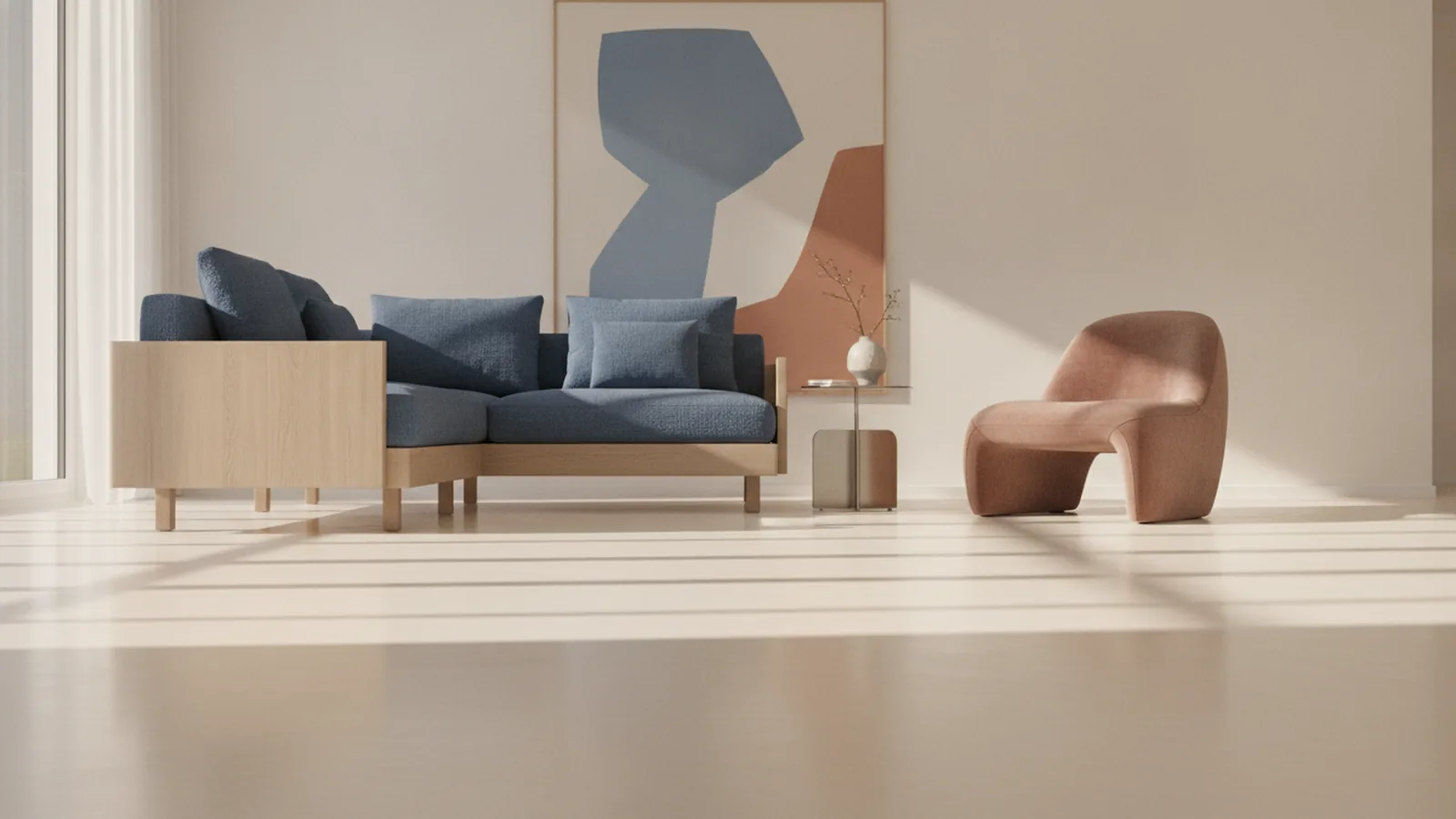
What Is Modern Furniture?
Modern furniture grew from the Modernist movement of the early 20th century. It values simple shapes, useful parts, and honest materials. The style avoids extra detail when that detail serves no clear need.
So, what is modern furniture style? It is furniture built around function, balance, and visual calm. A modern chair may show its frame, use one strong shape, and contain little ornament. The result feels clear rather than formal or lavish.
Modern design was a break from Victorian and Art Nouveau rooms. Those styles often used rich trim, curved forms, and heavy decoration. Modern designers chose a “less is more” approach instead. The room became lighter, more open, and easier to use.
The Main Characteristics of Modern Furniture
The characteristics of modern furniture are easy to spot once you know what to look for. Clean lines form the base of many pieces. Flat planes, low profiles, and simple curves help create a steady visual rhythm.
Modern furniture also puts the use of a piece before its display value. A table needs a stable top and sound support. A chair needs comfort and good posture. Decoration may appear, but it should support the shape.
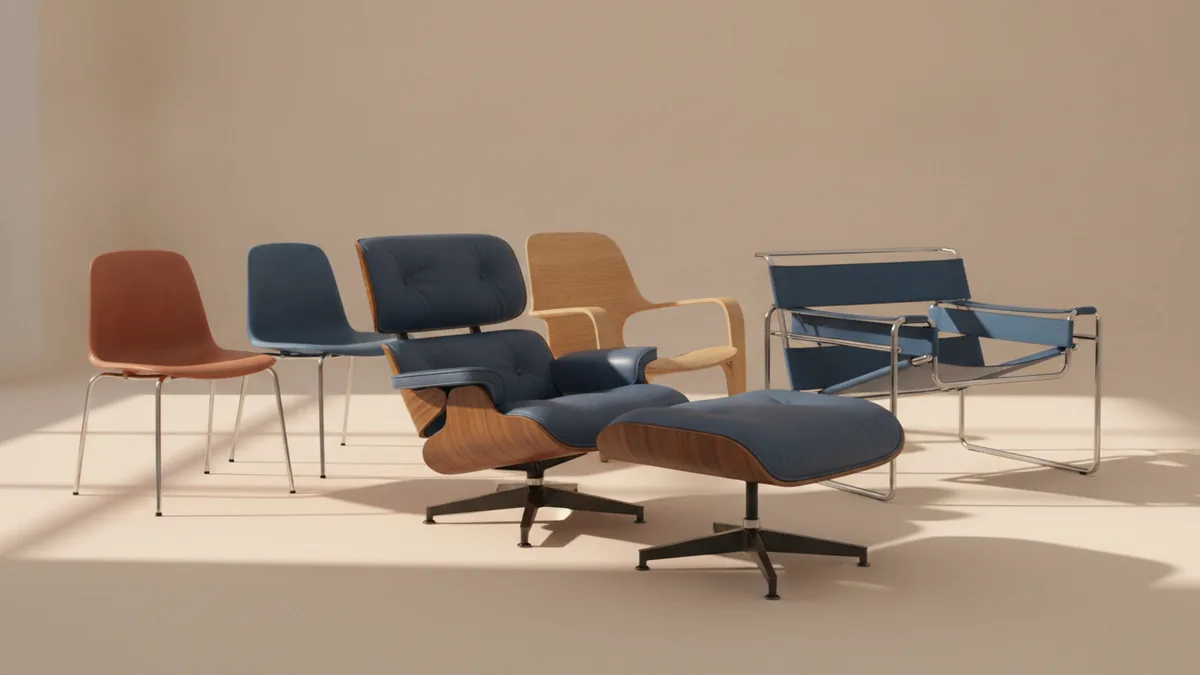
Natural materials play a key role in the style. Common choices include wood, leather, glass, steel, and aluminum. Many pieces show grain, joints, or frame parts instead of hiding them under thick trim.
- Simple form: Shapes stay clear and easy to read.
- Useful design: Each part has a job.
- Open space: Furniture does not crowd the room.
- Natural materials: Wood, metal, glass, and leather add texture.
- Quiet color: White, black, gray, brown, and muted tones often lead.
These traits do not mean every modern room must look cold. Warm wood, soft fabric, and plants can add comfort. The key is control. Each item should have room to breathe.
How Modern Furniture Design Took Shape
Modern design history began with a push against old rules. New factories changed how goods could be made. Designers then explored steel tubes, molded plywood, bent wood, and new ways to build furniture.
The Bauhaus school had a major role in this shift. It joined art, craft, and industry in one program. Its teachers aimed to make useful objects for daily life. Britannica’s Bauhaus overview records the school’s role in modern art and design.
De Stijl took another path. Its members favored grids, right angles, and primary colors. Their work reduced design to basic lines and planes. Both schools helped spread functionalism, the idea that a form should serve its use.
Modern furniture also grew through better mass production. A factory could make a strong chair at a lower cost. This change helped good design reach more homes. It also made testing, repeatable parts, and simple repairs more important.
Key Designers and Their Lasting Works
Several key designers of modern furniture shaped the look we know today. Marcel Breuer used bent steel tubing in chairs such as the Wassily Chair. The frame feels light, yet it gives the chair a clear structure.
Le Corbusier, Pierre Jeanneret, and Charlotte Perriand explored steel, leather, and strong geometric forms. Their LC series showed how a chair could act as both a seat and a sculptural object. The pieces still suit homes that value order and open space.
Charles and Ray Eames brought warmth and play to modern design. Their molded plywood and plastic chairs fit the body well. They also made shapes that felt friendly, not severe.
Later, mid-century modern designers built on these ideas. Danish designers often used warm wood, fine joinery, and gentle curves. This answers a common question: what is Danish modern furniture? It is a branch of modern design known for craft, comfort, and restrained form.
Many iconic modern furniture pieces still guide new work. The Barcelona Chair, Wassily Chair, Eames Lounge Chair, and Eames Molded Plastic Chair remain useful reference points. Study their frame, scale, material, and balance rather than copying their look.
Modern and Contemporary Furniture Are Not the Same
What is modern furniture versus contemporary furniture? Modern furniture points to a design period and its ideas. That period began in the early 1900s and reached a strong peak from the 1920s through the 1960s.
Contemporary furniture means furniture made or sold now. It does not follow one fixed period. A contemporary room may blend modern shapes, soft curves, rustic wood, bold color, and smart storage.
| Modern furniture | Contemporary furniture |
|---|---|
| Linked to Modernism | Linked to current taste |
| Often uses clean lines | May use curves, angles, or mixed forms |
| Favors lasting design rules | Changes as new trends gain ground |
| May include vintage originals | Often blends styles from many periods |
The difference between modern and contemporary furniture matters when you shop. A modern sofa may copy a 1950s form. A contemporary sofa may borrow that form, add deep cushions, and use a new fabric.
How to Mix Modern Furniture With Vintage Pieces
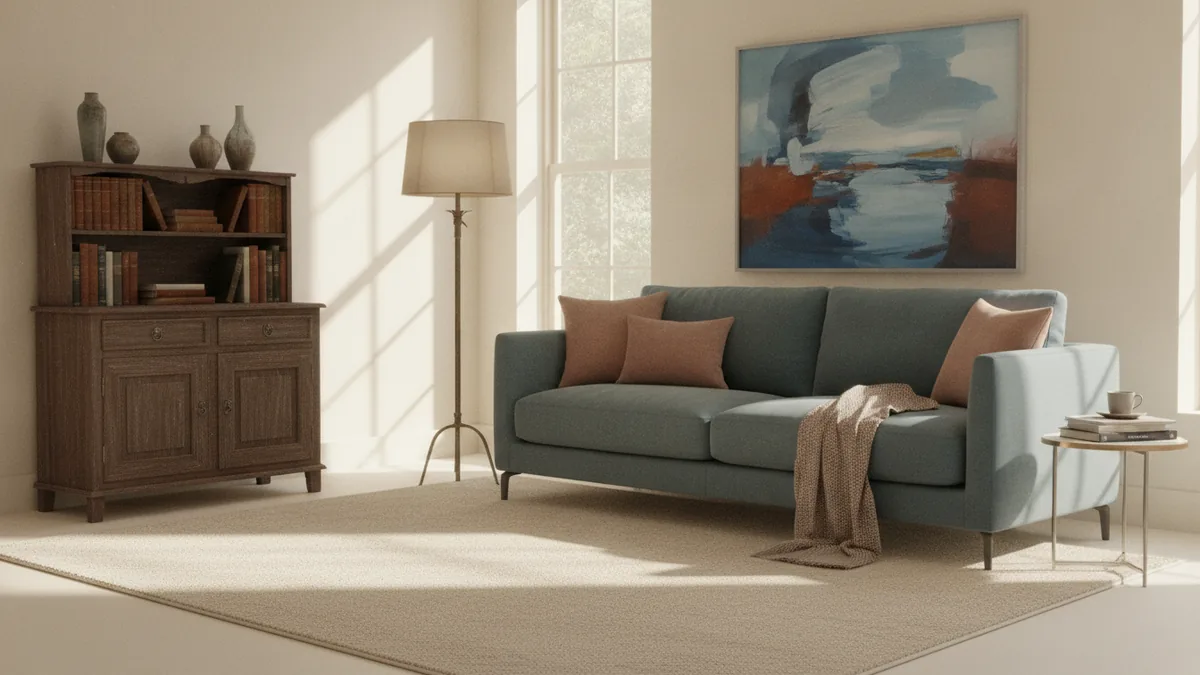
Mixing modern and vintage furniture can make a room feel personal. Start with one main style, then add contrast with age, texture, or shape. For example, place a clean-lined sofa beside an old wood chest.
How to mix antiques with modern furniture depends on scale and color. A large antique cabinet needs enough wall space around it. A small modern lamp can then give the cabinet a fresh counterpoint.
- Choose a lead piece. Let one sofa, table, or cabinet set the room’s scale.
- Repeat one material. Link old and new items with oak, brass, leather, or glass.
- Balance weight. Pair a heavy antique case with a light modern chair.
- Limit strong accents. Use one or two bold colors, not a new color for every item.
- Leave clear space. Open floor area helps mixed furniture look planned.
For a calm mix, keep the wall color and window treatments simple. Let worn wood, aged metal, or old fabric provide the visual history. A vintage mirror can also soften a room filled with sharp modern lines.
Do not force every piece to match. Good contrast gives the room its character. The goal is balance, not a fake showroom set.
Where to Find Modern Furniture
You can find modern furniture through many routes. Design stores offer new pieces from known makers. Vintage shops, estate sales, and auction sites can reveal older work with better materials and strong craft.
For affordable modern furniture options, check local resale shops and maker markets first. Solid wood side tables, used office chairs, and older lamps can cost less than new copies. Inspect joints, frame welds, drawers, and fabric before you buy.
Online stores can help when you need a certain size or finish. Read the full product details. Check the seat height, depth, material, delivery cost, and return rules. A low price does not help if the piece cannot fit through your door.
- Measure the room, doorway, lift, and stair turns.
- Ask whether the frame uses solid wood, veneer, steel, or plastic.
- Look for clear care notes and spare part support.
- Compare the full cost, including delivery and setup.
- Buy fewer strong pieces instead of many weak ones.
Where to buy affordable modern furniture depends on your goals. Choose resale for older pieces, local makers for custom sizes, and trusted retailers for easy returns. The best choice gives you sound build quality and a shape you can live with.
How to Judge a Modern Piece Before Buying
Begin with the way you will use the item. A dining chair needs a firm seat and enough space for movement. A lounge chair needs comfort, support, and a clear place in the room.
Next, study the build. Sit on chairs and open drawers several times. Check if doors hang straight and if a table rocks. On upholstered pieces, look for even seams and firm edge support.
Finally, judge scale rather than trend appeal. A sleek piece can still fail when it blocks a path. Mark its footprint with tape before delivery. This small test can prevent a costly return.
Frequently asked questions
- What is modern furniture?
- Modern furniture comes from the Modernist movement of the early 20th century. It uses simple forms, useful parts, clean lines, and materials such as wood and metal.
- What is the difference between modern and contemporary furniture?
- Modern furniture belongs to a design period tied to Modernism. Contemporary furniture means current design and can mix many styles.
- How do you mix antiques with modern furniture?
- Use one main piece, repeat a material, and balance heavy antiques with light modern forms. Keep colors simple and leave open space around large items.
- What is Danish modern furniture?
- Danish modern furniture is a modern style known for warm wood, fine craft, comfort, and restrained shapes. It often uses gentle curves and natural finishes.
- Where can you find affordable modern furniture?
- Look at resale shops, estate sales, local makers, and trusted online stores. Check the build, size, delivery cost, and return rules before buying.
Related reading
Console Tables — Placement, Styling and Smart Storage
Choose the right spot, size, and styling for a console table that works.
Small Kitchen Costs — Prices, Choices and Budget Tips
Compare small kitchen prices, key cost drivers, and ways to keep a remodel on budget.
Dining Table Clearance — Space for Chairs and Walkways
Plan table and chair clearances for a dining area that feels comfortable.