How to Decorate a Bakers Rack in Your Dining Room
Practical bakers rack decoration ideas for dining rooms: styling, storage, plants, and seasonal swaps.
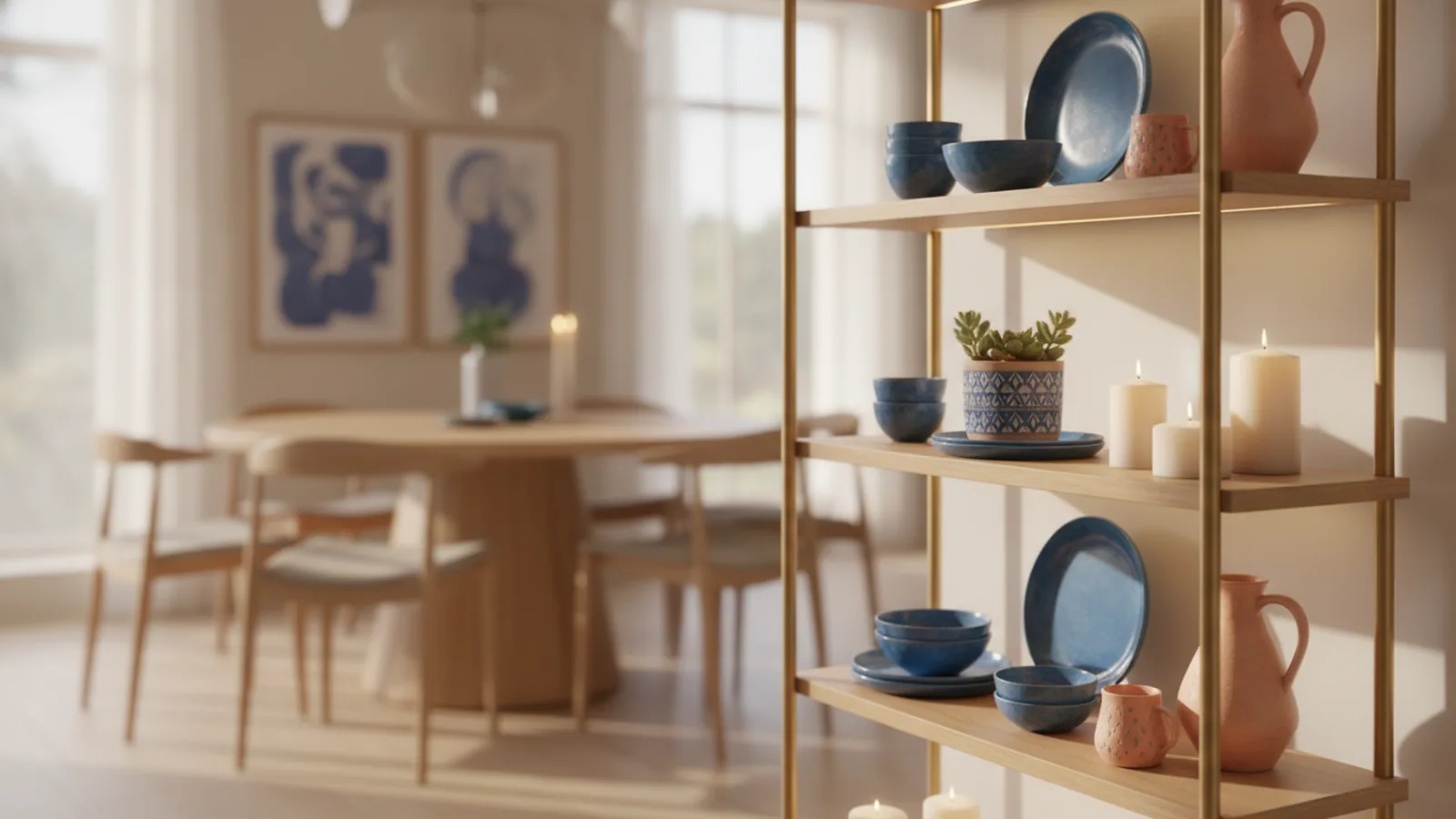
Choose the right spot for your rack
Start by looking at what the rack already does in your room. A bakers rack can act like a mini buffet, a bar cart stand-in, or a display for everyday dining pieces. Before you add decor, decide how you want guests to read the space when they enter.
Then match the rack to your dining room decor. If your dining room leans modern, keep items sleek and in a tight color range. If it is more warm and traditional, mix wood, ceramic, and woven textures. This step makes your shelf decor look planned instead of piled.
Finally, check real-world fit. Measure the height and shelf depth so plates, baskets, and glassware sit without crowding. If you plan to use open shelves for dining items, place the rack where you have easy access while hosting.
- Match rack style to the room’s finish (wood, black metal, brass look).
- Plan for walk-by clearance so handles and doors do not clash.
- Pick a focal side, then decorate that side more heavily.
Use basic styling principles that look intentional
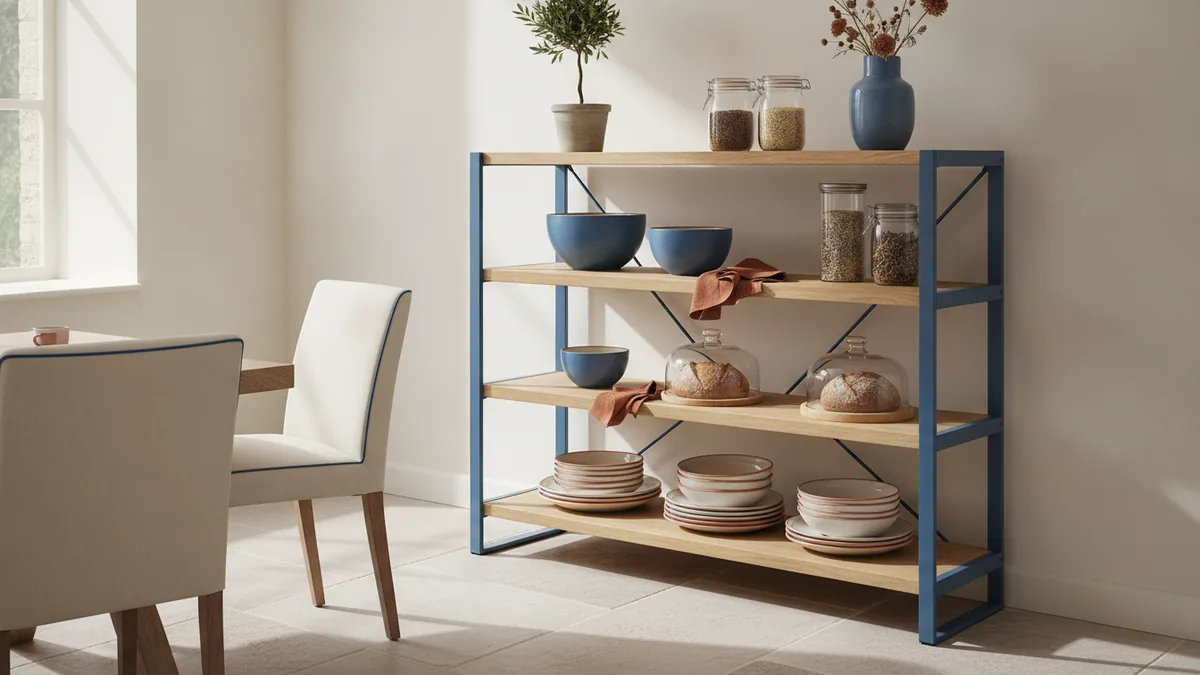
Think in layers: background, mid-layer, and front details. On most bakers racks, the top shelf becomes your visual “headline.” Middle shelves work best for repeated shapes like bowls, trays, or books. The lower section should feel grounded with larger bases, such as baskets or a tall vase.
Use a simple color plan. Choose one “anchor” color from your dining room decor, then add two supporting shades. For example, if you have white table linens, pair white ceramics with natural tones like tan or light wood, then add one pop color in a small item. This keeps the display cohesive even as you rotate seasonal decorations.
Mix textures for depth. Combine matte ceramics with glossy glass, smooth metal with woven baskets, and flat linens with raised craft details. Texture also helps when items are similar in color because it creates separation.
- Set a theme for each shelf: display, storage, or serving.
- Keep a “repeat” item so the set feels designed, not random.
- Use odd groupings, like 3 vases or 5 mugs, for balance.
Pick decorative items that also support everyday use
Start with items that earn their place. Decorative plates can look beautiful, but practical pieces make the rack feel lived-in. Great candidates include serving platters, small bowls for utensils, and candle holders for dinner nights.
In a bakers rack decoration ideas approach, treat glassware as your shine factor. Place a few clear tumblers or wine glasses on open shelves, then anchor them with heavier ceramic pieces. You get sparkle without clutter.
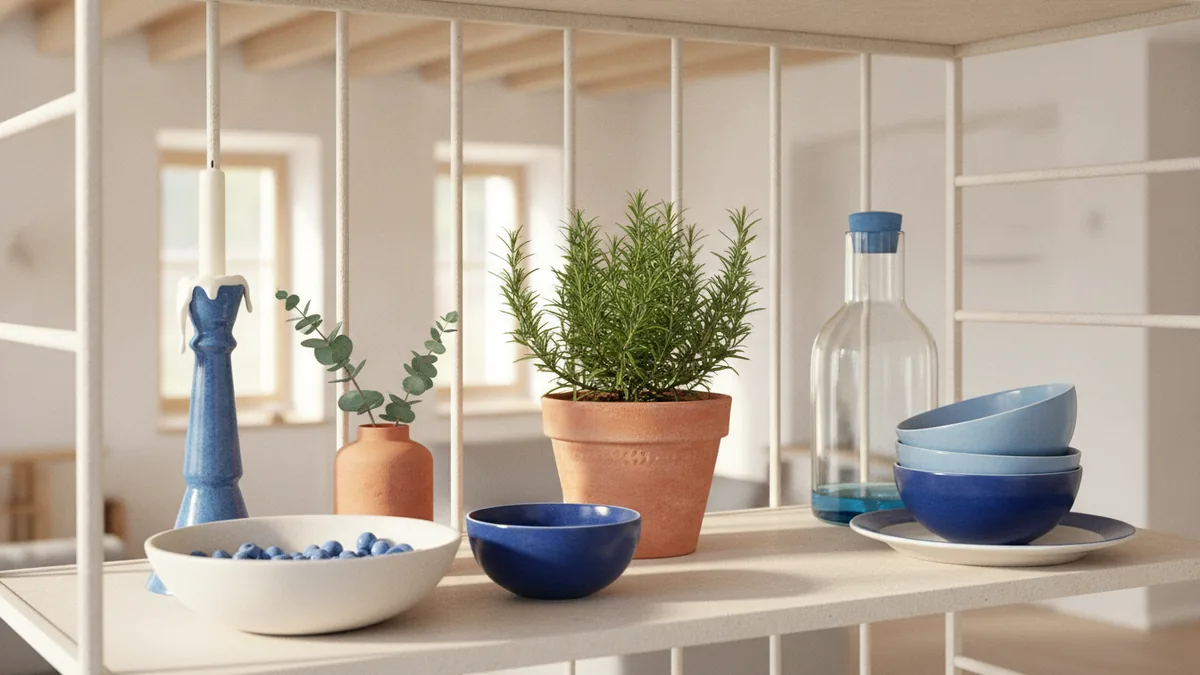
Plants or flowers are the quickest way to add a natural touch. A small potted herb in a ceramic pot works well if you cook often. For a low-maintenance look, use a vase with seasonal stems. Keep the plant scaled to the shelf so it does not overwhelm the dining area.
Use height to guide the eye. Combine tall candlesticks or a slender vase with shorter bowls, framed prints, or folded linens. This is one of the easiest ways to build visual interest on a multi-level rack.
- Decorative items: candlesticks, ceramic bowls, framed art, mini trays.
- Natural touch: potted herbs, eucalyptus, fresh-cut stems, dried bundles.
- Texture mix: woven baskets, linen napkins, glazed pottery, glass.
Add functional elements without losing the aesthetic
To make your rack do more than look pretty, combine decorative and functional items. Decorative shelves often fail because they do not hold things. Choose storage pieces that match your dining room colors, then style them around their purpose.
Decorative baskets or boxes are your best friend for home organization. Use them to store napkins, small serving tools, tea packets, or extra placemats. Look for baskets with a texture that ties back to your room, like rattan for warm spaces or black wire for modern rooms.
Consider open shelving to showcase attractive dishes or glassware. Open space is perfect for pieces you want to grab quickly, like everyday mugs, dessert plates, or a small carafe. Keep the selection tight so your shelf decor stays clean. A good rule is to display only what you can replace in one pass.
Lighting turns a rack from “display” into “mood.” Add fairy lights along the inner edge of the rack or behind items so the glow looks soft. If you want brighter illumination, use a small clip-on spotlight aimed at the middle shelves. Warm light at night makes glassware and ceramics look richer.
- Pick storage first: 1 to 2 baskets or boxes per shelf.
- Then add display items on top of storage, like a tray or candle group.
- Place glassware where the light can reflect, but keep it away from direct glare.
- Finish with one tall element and one plant for organic height.
Try seasonal decor ideas you can swap in minutes
Seasonal decorations should feel like a change of accessories, not a full rebuild. Start with a stable “base layer” that stays up year-round. Then rotate one or two focal items for each season, like a centerpiece, a themed tray, or a plant swap.
For spring and summer, lean into lighter colors and fresh greens. Use a vase of tulips or ranunculus, or place a potted herb like basil on a mid shelf. Add small bowls for fruit if your dining room also supports casual meals.
For fall, bring in texture and warmth. Swap in a bundle of dried leaves, a ceramic pumpkin, or a small stack of vintage-style books. If you use baskets, choose ones that look like they belong in the season, like woven or darker-toned materials.
For winter, keep it cozy and simple. Use warm light, a candle cluster, and evergreen stems. One mirrored tray under ornaments can reflect light across the rack without making it look overcrowded.
- Keep a steady base: bowls, trays, and your everyday glass set.
- Change one focal item: vase, centerpiece tray, or greenery.
- Use warm lighting for cold months, brighter whites for summer.
- Store seasonal pieces in labeled bins so swaps are fast.
Maintain balance and cohesion from shelf to shelf
The goal is harmony across levels. Look at the rack as a single unit, not separate shelves. If one shelf feels heavy, lighten it by removing one bulky item and adding a tall, narrow element instead. Even small shifts change how the eye travels.
Use a consistent spacing approach. Leave gaps between objects so the shelf decor can breathe. Tight clusters can look intentional at first, then start to feel cluttered after a few weeks. Aim for a rhythm of filled zones and breathing room.
Watch for repetition and missing links. If you place three ceramics on the top, you can repeat the ceramic style on the middle shelf through a bowl or tray. If your rack includes glassware, echo that glass tone somewhere else, like in a clear vase or a small mirror detail. Cohesion is often built by repeating materials, not exact colors.
Lastly, review functionality after styling. Pull a few items as if you were hosting. Can you grab mugs, napkins, or serving pieces without moving half the rack? If not, adjust storage baskets so essentials sit within reach. A practical rack is always more satisfying than a pretty one that is hard to use.
| Rack zone | Best purpose | Easy items to place |
|---|---|---|
| Top shelf | Focal display | Tall vase, framed art, stacked serving trays |
| Middle shelves | Mix of display and daily use | Bowls, glassware, small plant or candle group |
| Lower section | Grounding and storage | Decorative baskets, utensil container, large box |
Quick note for kitchen setups
If you are learning how to decorate a bakers rack in the kitchen, treat the rack like a serving and storage tool. Keep the top shelf lighter so steam and cooking mess do not crowd your display. Use baskets for tools you use daily, like measuring cups or cookie cutters, and keep glassware for what you serve often.
For a dining room, lean more into mood and guest-ready styling. Choose plants or flowers that match dinner seasonings and swap centerpieces as your menu changes. The same rack can do both roles if your storage stays tidy.
With this approach, you get a rack that looks styled and works like functional storage solutions. That is the sweet spot for everyday entertaining.
Frequently asked questions
- How do I decorate a bakers rack in dining room without it looking cluttered?
- Start with a base layer that stays up year-round, then add only a few focal pieces per shelf. Leave open space between items so the display can breathe.
- What are good bakers rack decoration ideas for hosting and everyday dining?
- Use serving trays, everyday mugs, and small bowls for utensils on the middle shelves. Store backups like napkins or extra place settings in matching baskets.
- How do I decorate a bakers rack in the kitchen and keep it practical?
- Prioritize storage for tools you reach for often, like cookie cutters or measuring cups. Display only the dishes and glassware you use regularly to avoid visual overload.
- What should I put on a bakers rack to add a natural touch?
- Use a potted herb, eucalyptus stems, or seasonal flowers in a vase. Keep the plant size proportional so it adds height without blocking items.
- How can I use lighting on a bakers rack without making it harsh?
- Add warm fairy lights along the rack edges for soft glow. If you use a spotlight, aim it at ceramics and glass to create highlights, not glare.
- How do I make different shelf levels look balanced?
- Vary height with tall vases or candlesticks, then anchor the lower shelf with larger storage baskets. Repeat one material, like ceramic or woven texture, across levels.
Related reading
Couch Placement—Flow, Focus and Comfort
Place your couch to frame a focal point, keep paths clear, and make the room feel balanced.
Master Bedroom — Color, Comfort and Personal Style
Build a calm, personal bedroom with smart choices and a budget that works.
Room Painting Labor Costs — Rates and Budget Factors
See typical room-painting labor rates and learn what drives the final price.