How to Build a Tent in Your Living Room (DIY Ideas)
Build an indoor play tent with sheets, furniture, or a simple frame.
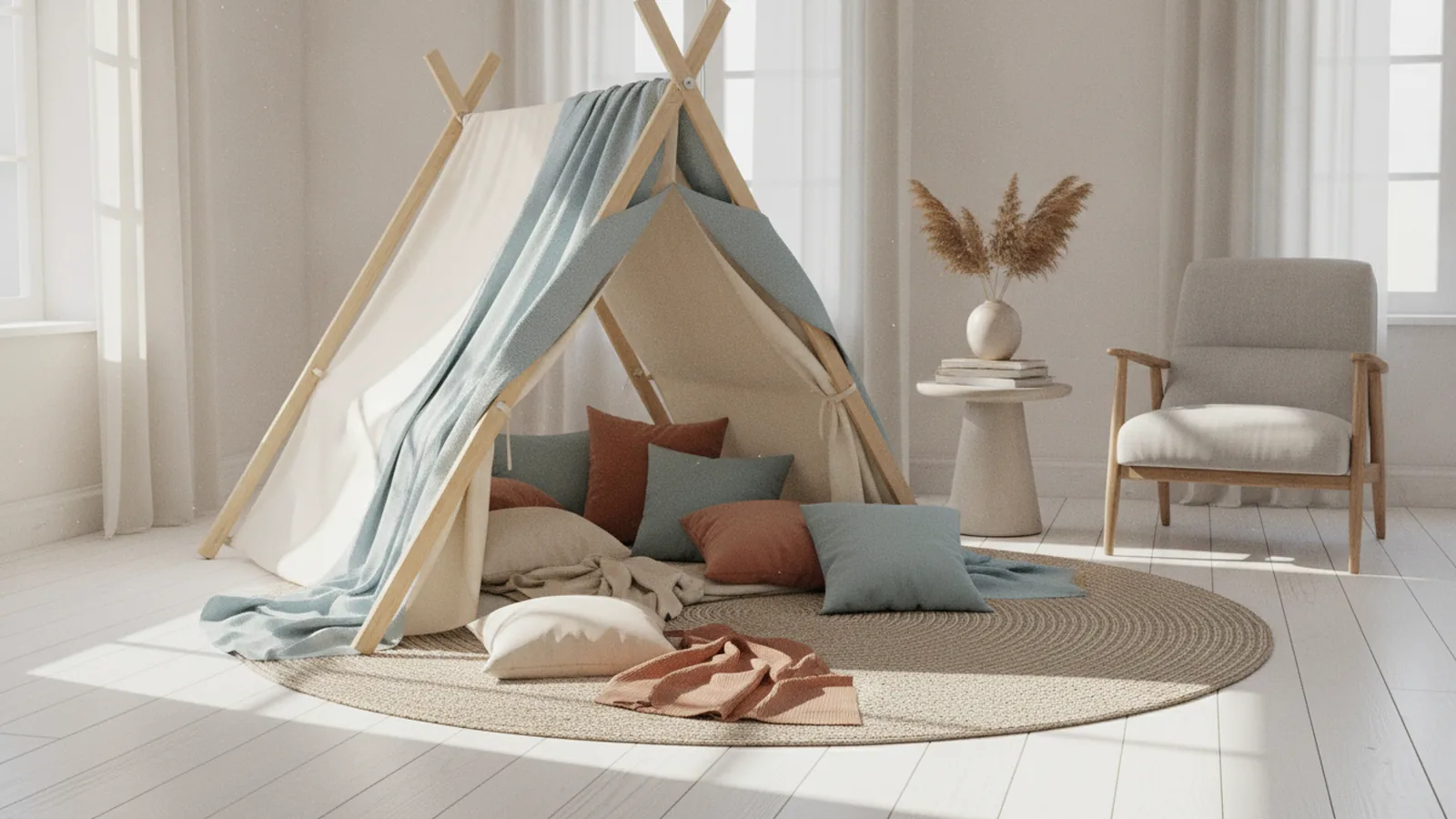
Indoor tents you can set up in the living room
If you want to know how to build a tent in your living room, start with one goal: play, storytime, or a quiet chill spot. Most indoor tents can be built in 10 to 30 minutes with everyday items. You can treat this like a DIY tent project, not a big construction job. The result is an instant indoor fort or kids play tent that also feels like a mini getaway.
Many setups work best when the tent has a clear entrance and a soft “floor” underfoot. Plan for easy access so you can supervise without constantly moving fabric. For living room activities, try rotating the theme every few days. A small change in lights, pillows, or “camp gear” keeps the space fresh.
What an indoor tent is best for
Indoor tents shine for imaginative play, reading sessions, and slow relaxation. Storytime gets more engaging when kids can sit inside and see the “camp” backdrop. Some adults even use a tent corner for phone-free decompression. Keep it simple at first, then expand with decorations when the basic build feels sturdy.
- Play: hiding, role-play, and “camping” games
- Storytime: a cozy reading nook with good visibility
- Relax: a calm zone with pillows and dim lights
- Creative play spaces: themed props and pretend “missions”
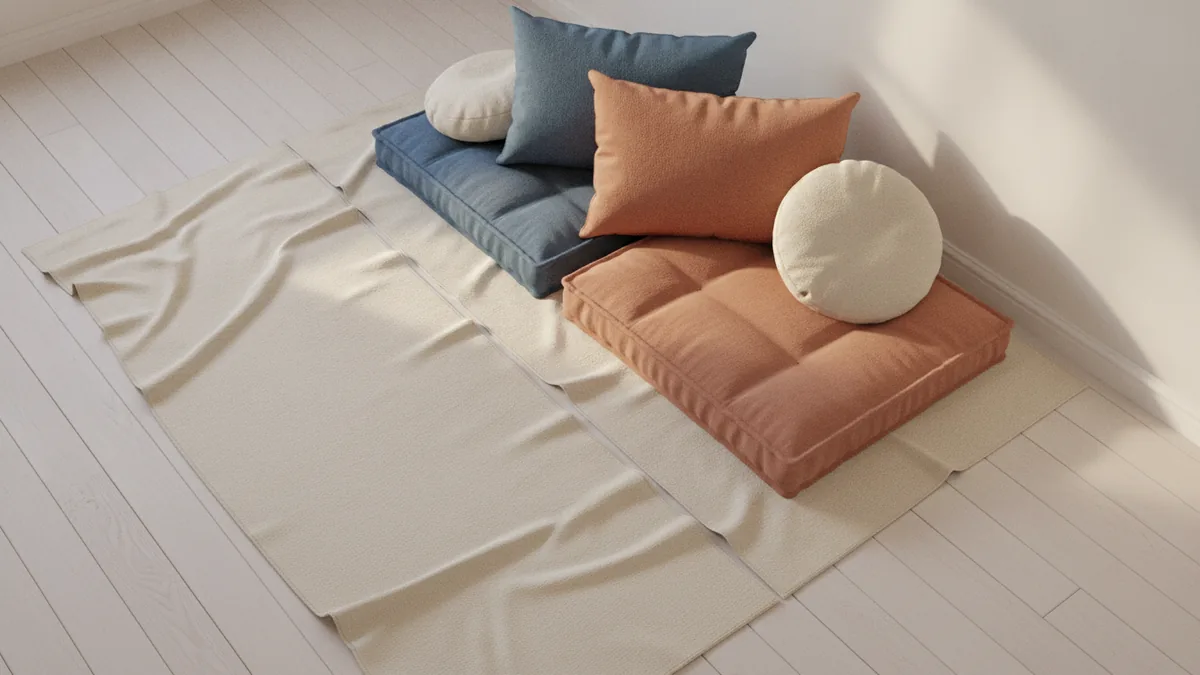
Materials needed for an indoor tent
You can make a tent in the living room with basic textiles and a few support pieces. Simple materials include sheets, blankets, chairs, and pillows. If you want a more structured DIY tent, you can also use wooden dowels or PVC pipes. Choose items based on whether you want a quick temporary setup or a more permanent frame.
Before you shop or grab supplies, check your space. Measure the area where the tent will sit. A common sweet spot is a 4 ft by 4 ft footprint for a small kids play tent. If your living room is tight, scale down to a reading tent that fits one couch cushion and two chair legs.
Core supplies to gather
- Fabric: sheet set, large blanket, or thin backdrop fabric
- Soft floor: rug pad, folded blanket, or sleeping mat
- Support: chairs, couch backs, or DIY frame parts
- Pillows: for seating and for “walls” that look tidy
- Lights: fairy lights or battery lanterns for mood
- Optional fasteners: clothespins or small clips for shaping
Helpful accessories (optional)
If you want the tent to feel intentional, add a few props. A small basket of pretend supplies turns it into a mini “base.” Consider a lightweight throw for the ceiling so the fabric drapes smoothly. For living room activities, include a sheet of paper and washable markers for “map making.”
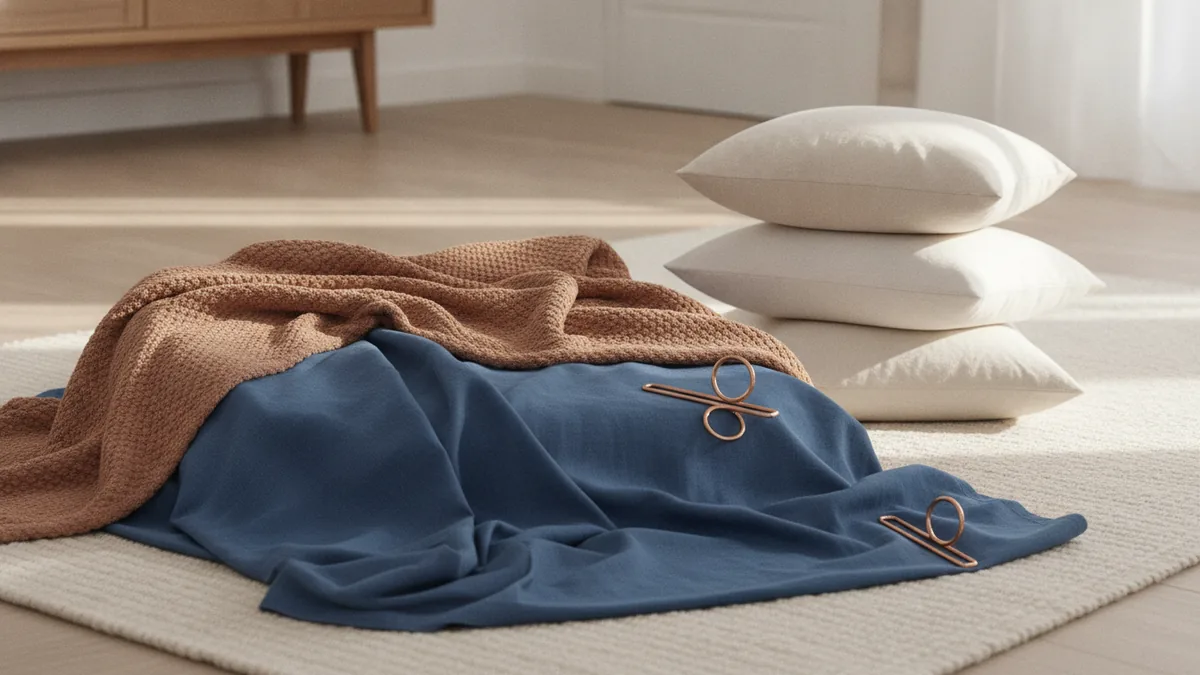
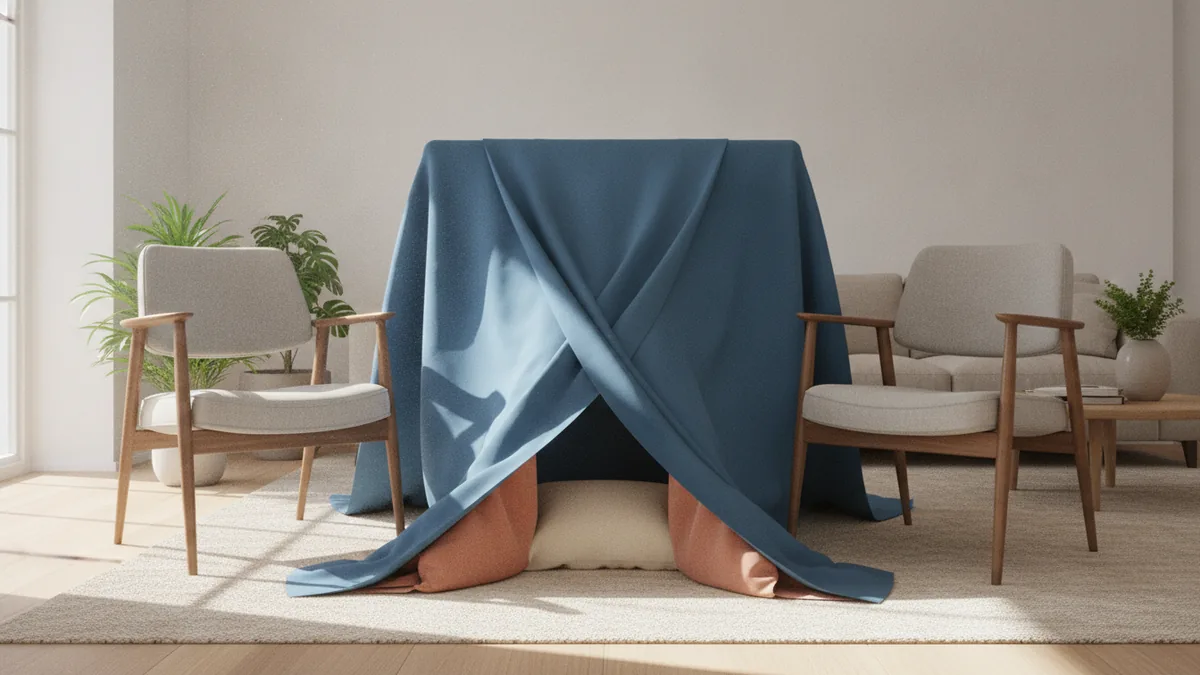
Simple temporary tent ideas with furniture and fabric
If you are learning how to make a tent in the living room, temporary builds are the fastest way to succeed. You can use furniture and fabric draped over them to create instant shelter. These designs work well for a homemade blanket fort because you can adjust as you go.
Start by clearing the area of sharp corners and fragile décor. Then set your supports first, before you add fabric. This order prevents wrestling the cloth while the frame is unstable. Plan an entrance gap so you can get in and out easily.
Three easy temporary setups
- Chair-and-sheet arch: Place two chairs about 3 ft to 4 ft apart. Drape a sheet over the seat backs, then tuck the edges under the bottom. Add a pillow “doorstop” to form a simple entrance.
- Couch-back canopy: Pull the sofa away from the wall by 8 to 12 inches. Hang a blanket from the back toward the floor, then pin it at both sides with clips. Use extra pillows to create a cozy “side wall.”
- Corner fort: Use two walls as natural corners. Drape fabric from one wall to the other, then use a chair as a third point. Place a soft floor layer and let the fabric create a tunnel feel.
How to make it look neat
Temporary tents often sag at the edges. Fix that with small folds. Tuck excess fabric into pillow spaces or under the soft floor layer. If the ceiling fabric dips too low, raise it by adding a pillow “brace” under the hanging section.
For an indoor fort, consistency helps. Keep the fabric height the same on each side. Then add one or two “clean” lines with clips so the tent looks intentional rather than random. Kids usually notice the shape more than the exact materials.
More permanent indoor tent options with a simple frame
If you want a setup you can reuse weekly, consider how to make a tent in your living room with a simple frame. More permanent tent options can use wooden dowels or PVC pipes. These builds hold their shape better than chair-based setups. You also get a more “real” tent feel without taking on a full carpentry project.
Choose a frame style based on ceiling height and the area you can dedicate. An A-frame, for example, creates strong structure and a clear peak. For most living rooms, an A-frame around 6 ft tall at the peak looks right without hitting lamps or ceiling fans. Keep the tent low enough to avoid awkward bumps for shorter kids.
A-frame approach using dowels or PVC
An A-frame can be built with two identical support pieces and one or two crossbars. You will also need a fabric cover or a large sheet you can shape into a tent. Measure your intended footprint first, then build supports that match it closely.
| Frame type | Best for | Typical footprint |
|---|---|---|
| A-frame (dowels or PVC) | Stable tent peak and doorway | 4 ft by 4 ft to 5 ft by 5 ft |
| Rectangular pole frame | Easy blanket drape and quick access | 3 ft by 4 ft to 4 ft by 6 ft |
| “Pop-up” bar supports | Frequent re-builds | Varies by space |
Practical build tips for durability
- Anchor safely: Use weighted bases or floor anchors if needed.
- Check joints: If using PVC, ensure joints fit snugly.
- Use soft edging: Add fabric sleeves over any hard contact points.
- Keep fabric removable: You want easy washing after play.
For a more permanent option, you can sew or clip a fabric “door” flap. Make it wider than you think, so it opens easily. Then add a separate cushion layer inside for comfort. This turns the tent into a repeat living room activities spot rather than a one-off craft.
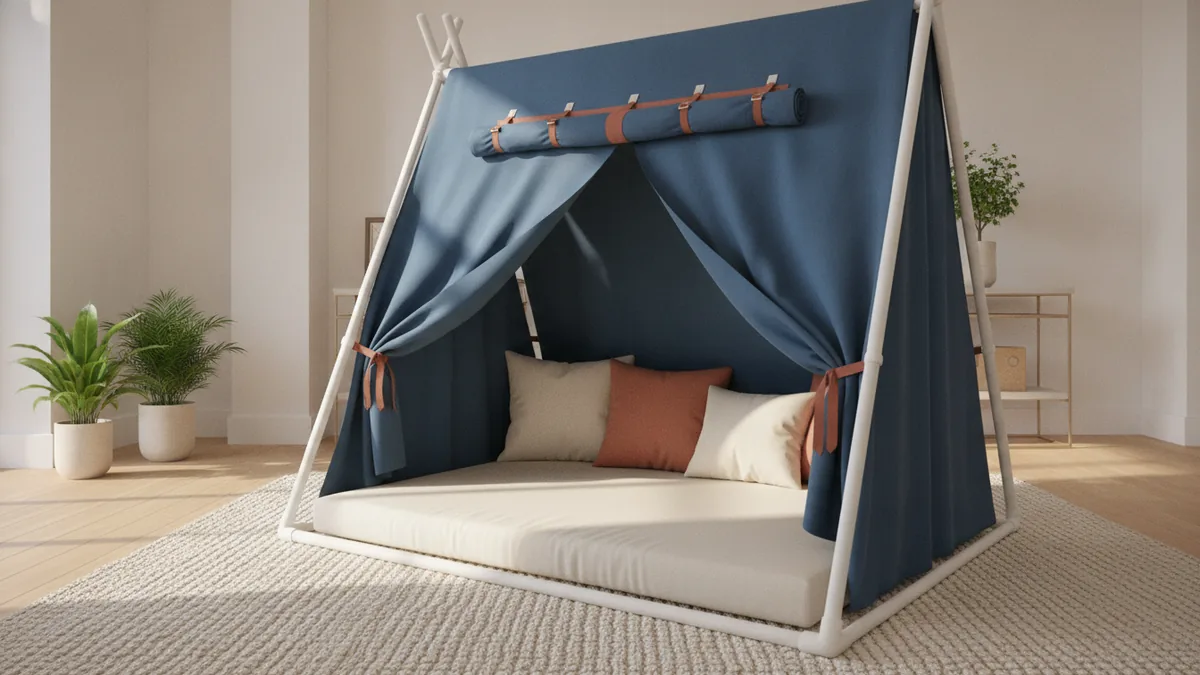
Creative themes and decorations for indoor tents
Themed decoration is what turns a basic tent into a memorable indoor fort. The easiest upgrades are soft items and small lights. Fairy lights work well because they cast a warm glow. Battery lanterns also help you avoid plugging in cords across walking paths.
When you add cushions, you can control the “vibe.” Use bright colors for active play and calm tones for relaxation. A few themed props make the space feel complete. Think of the tent as a creative play space where every element supports the story.
Theme ideas you can build with simple supplies
- Fairy forest: green and gold blankets, tiny lights, and nature-themed pillows
- Space base: navy fabric, silver pillows, and a “mission control” basket
- Jungle camp: leaf-pattern cushion covers and a soft “vines” garland
- Cozy cabin: plaid blankets, warm lighting, and a small book stack
- Under-the-sea: blue blankets, ocean pillows, and a plush “friend”
Make it functional, not just pretty
Decoration should also improve comfort and use. Place floor cushions where kids sit, so they do not end up on hard fabric edges. Add a small tray or basket near the entrance for toys, snacks, or story prompts. If adults use the space, include a slim pillow and a comfy blanket layer. The best indoor tent designs help you use the space for longer than five minutes.
For a homemade blanket fort that stays tidy, keep decorations within a boundary. A simple rule is “one main color plus one accent color.” This prevents the tent from turning into random fabric piles.
Safety tips for indoor tents
Safety matters because indoor tents are made from fabric, furniture, and sometimes poles. The goal is a stable build that avoids hazards. If you are how to build a tent in your living room, plan for stability first, then add comfort second.
Start by ensuring nothing heavy is required to hold the structure. Avoid placing heavy objects on top of fabric. That includes stacks of books, sharp décor, or anything that could fall. Also keep cords and small items away from the entrance area so kids do not trip.
Stability and hazard checks
- Stabilize supports: If using chairs, confirm legs sit flat on the floor.
- Avoid sharp contact: Cover hard ends of dowels or PVC with soft fabric.
- No open flames: Do not use candles inside tents.
- Watch fabric airflow: Keep fabric away from heaters and vents.
- Keep edges soft: Tuck fabric ends so they do not snag.
Use lighting with care
Fairy lights look great, but choose battery-powered versions for easier placement. Route light strands along the outside edge of the tent rather than across the doorway. If you use string lights, check that they are not overheating and that cords stay in safe zones.
Supervision and rules that help
Indoor fort builds work best with a simple play rule. One rule that helps is “tents are for sitting and crawling, not climbing.” Teach kids to walk in, not sprint through the entrance. Then do a quick check after changes, because a small shift in fabric can reduce stability.
Quick rule of thumb: if an adult can gently shake the frame and it stays put, it is ready for play.
Frequently asked questions
- How to build a tent in your living room using sheets and chairs?
- Place two chairs as supports, drape a sheet over the chair backs, and tuck the edges under a soft floor layer. Add pillows to shape the walls and create a simple entrance.
- How to make a tent in the living room that kids can enter safely?
- Keep supports stable on flat flooring and soften any hard edges. Use battery lighting and avoid trip hazards near the doorway.
- What is a simple way to make a tent in your living room that looks tidy?
- Clip or tuck fabric to keep the ceiling height even. Use a consistent color scheme and add cushions to fill gaps for a clean look.
- Should I choose a temporary blanket fort or a more permanent frame?
- Choose temporary builds for one-off fun or quick changes. Choose an A-frame or pole frame if you want a reusable tent for weekly play.
- What themes work best for indoor tents?
- Fairy light fairy forest, cozy cabin, and space base themes are easy with blankets, cushions, and a small prop basket. Keep decorations soft and within the tent boundary.
Related reading
Couch Placement — Comfort, Flow, and Style
Arrange couches for easy movement, good conversation, and a balanced room.
Small Kitchen Design — Light, Space and Smart Storage
Use light, smart storage, and slim furnishings to make a small kitchen feel more open.
Living Room Paint — Measurements and Buying Tips
Measure your walls, count coats, and buy the right amount of living room paint.