How Much a Kitchen Renovation Increases Home Value (ROI Guide)
Kitchen upgrades can raise value—learn typical costs, ROI, and key factors.
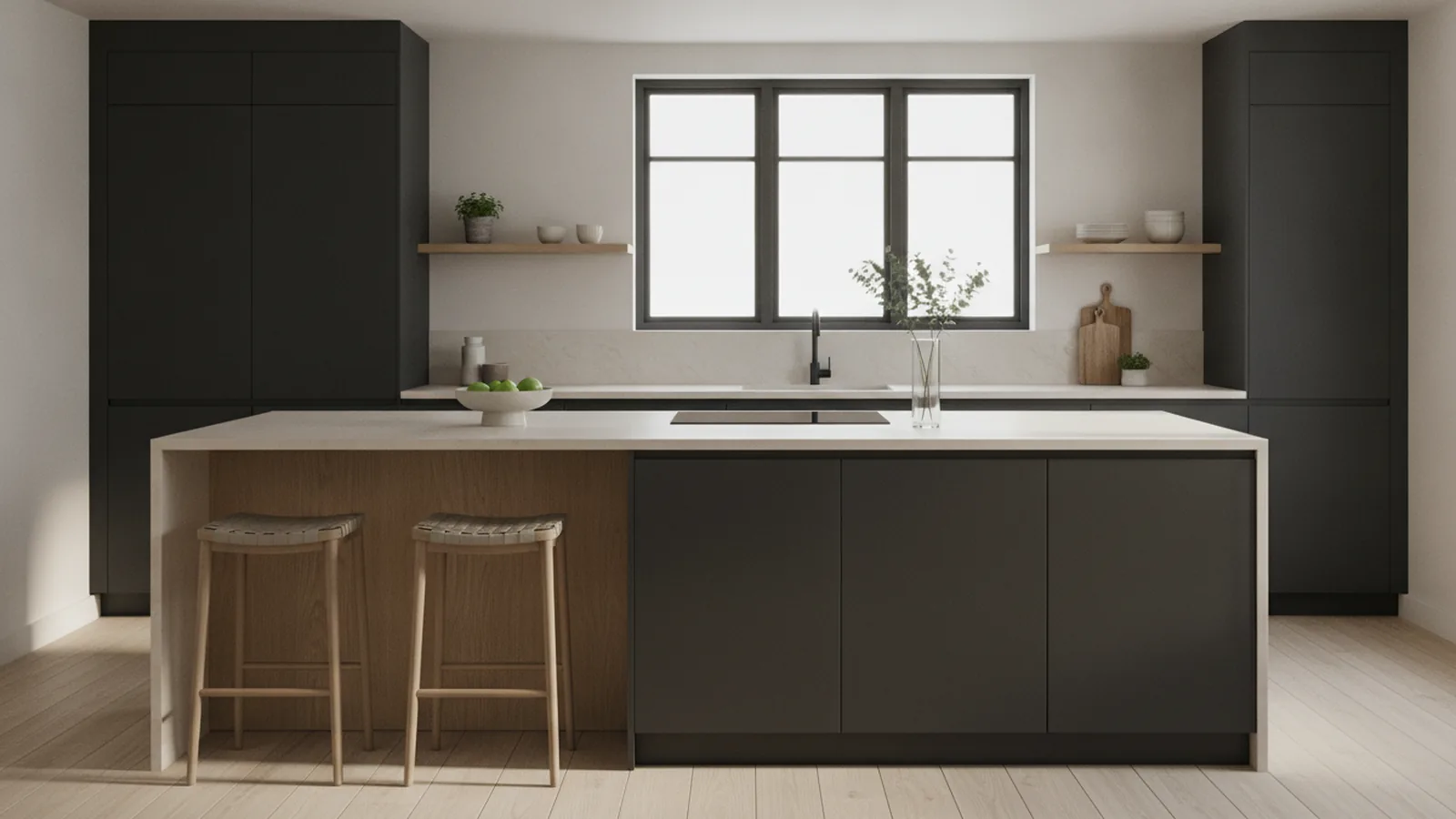
How much does a kitchen renovation increase home value?
A kitchen remodel can increase your home’s value, and it often impacts buyer decisions more than other rooms. In many markets, you can expect to recoup a meaningful share of remodeling costs. A national average estimate puts major kitchen renovations around 54% ROI, while minor updates can reach about 81% ROI.
That said, the real answer depends on scope and local demand. The same $60,000 update may recoup more in a high-cost area than in a slower market. To estimate housing market value increase for your home, plan around both your costs and the buyer pool near you.
For a practical check, compare your kitchen remodel cost vs value by looking at recent “sold” comps for homes with similar kitchen quality. This is the fastest way to translate “nice upgrades” into a likely value range.

Why kitchen renovations matter to buyers
Kitchens are a top priority for many homebuyers. They influence purchasing decisions because buyers use the space daily and can spot wear quickly. A dated kitchen can reduce perceived overall quality, even if the rest of the home is in good shape.
Kitchen design also affects how people imagine their future life in the home. Layout, storage, and lighting change daily routines, not just aesthetics. That is why kitchen design trends like better workflow and cleaner finishes often translate into stronger buyer interest.
If your current kitchen has aging finishes or inefficient layout, buyers may assume larger hidden costs. This can show up as lower offers, especially when comparable homes already feature modern appliances and countertops.
- Buyer confidence: visible updates can reduce the “what will it cost later?” worry.
- Daily usability: layout and storage help buyers picture themselves cooking and hosting.
- Perceived value: modern surfaces can make the whole home feel newer.
Typical kitchen renovation cost ranges
Kitchen renovation cost depends heavily on how much you change. National estimates commonly place minor updates around $21,000 and major overhauls around $126,000. Minor projects might focus on surfaces, fixtures, and a few design upgrades.
Major projects usually include more labor and scope. That often means reworking layout, replacing cabinets and countertops, upgrading plumbing or electrical, and installing higher-end appliances. Even if the materials look similar, structural changes can drive remodeling costs quickly.
Because costs vary by region, ask your contractor for a line-item range. Then separate costs into “cosmetic” versus “core” work. Buyers tend to pay more for changes they can see and use, but structural work only recoups if it matches local demand.
| Renovation scope | Typical cost range | What’s usually included |
|---|---|---|
| Minor refresh | ~$21,000 | Cabinet refacing or repainting, new hardware, updated lighting |
| Mid-level upgrade | Often between major and minor | New countertops, appliance upgrades, partial flooring replacement |
| Major renovation | ~$126,000 | New layout, full cabinet replacement, plumbing/electrical updates |

How kitchen improvements affect home value
Yes, kitchen renovations typically increase home value. The exact amount recouped varies by project cost and real estate market dynamics. This is where many sellers get surprised, because value is not a simple “dollar for dollar” exchange.
To understand the housing market value increase in your area, focus on buyer expectations. In a competitive market, well-chosen updates can pull you closer to the higher end of the value range. In a slower market, buyers may discount the remodel if the home already priced above local comps.
Kitchen features that can influence buyer desirability include new appliances, updated countertops, and modern layout designs. These are often the elements buyers point to during showings. They also tend to reduce the negotiation pressure that comes from visible aging.
- Appliances: modern brands and consistent finishes can feel “move-in ready.”
- Countertops: durable surfaces help avoid looks that feel dated fast.
- Layout: better workflow and storage can make the space feel larger.
Kitchen renovation ROI explained with real benchmarks
Kitchen renovation ROI measures how much of your renovation cost you may recoup when you sell. National averages are a useful starting point, not a promise. Still, they help you set expectations and avoid overspending.
For a major kitchen renovation, the national average ROI is about 54%. For a minor renovation, the national average ROI can be about 81%. Those differences reflect how much buyers often pay for “visible readiness” versus “big change risk.”
Here is a simple way to think about it. Multiply your likely cost by a rough ROI range, then compare the result to your local pricing. For example, a $30,000 minor remodel at 81% ROI suggests around $24,300 in potential value recouped.
| Project type | Approx. ROI | Example: value recoup estimate |
|---|---|---|
| Minor kitchen update | ~81% | $30,000 cost → ~$24,300 recouped |
| Major kitchen overhaul | ~54% | $100,000 cost → ~$54,000 recouped |

What drives value increase after a remodel
Several forces decide whether your kitchen design becomes an investment or an expensive refresh. Cost matters, but it is not the only driver. Local real estate market trends and the specific needs of home buyers in your area can shift results fast.
First, your local demand determines how much buyers value upgrades. If many nearby homes have updated kitchens, your remodel becomes “baseline.” If most homes are dated, your project may stand out and support a higher sale price.
Second, match your remodel to your home’s starting point. A small budget aimed at luxury features may look mismatched if the rest of the kitchen still reads “old.” Buyers judge the whole space, not just one feature.
Third, geographic location affects labor costs and buyer payback. In high-cost areas, remodeling costs may rise, but so can willingness to pay. In other places, smart renovation choices can help you stay within the value “ceiling” your market supports.
- Real estate market trends: faster sales and higher price growth often increase payback.
- Neighborhood comp quality: your upgrades compete with nearby listings.
- Renovation fit: changes should align with kitchen design trends and local norms.
- Timing: a remodel completed during a favorable season can help buyer showings.
Tips to maximize kitchen renovation ROI
Maximizing kitchen renovation ROI starts with choosing the right scope. Many owners get the best results from improvements buyers immediately recognize, like clean countertops, modern lighting, and updated appliances. These are “high-visibility” upgrades that reduce perceived risk.
Then, plan the budget around choices that affect function. Upgrading storage can make a kitchen feel more usable than it did before. Refinishing or updating cabinets can also deliver a strong visual change without full demolition.
Finally, protect your resale by avoiding overly niche styles. If your taste is very specific, you may limit buyer appeal. Smart renovation choices keep finishes broadly attractive while still improving the home buyers care about.
- Target buyer-first upgrades: appliances, countertops, and lighting usually land well.
- Keep the workflow: changing plumbing and layout can raise costs and risk.
- Choose durable materials: buyers like beauty, but they pay for lasting performance.
- Stay within local comps: do not price your home based only on your wish list.
- Get a clear cost breakdown: separate labor, materials, and any “optional” upgrades.

Conclusion: Is a kitchen renovation worth it?
For most sellers, the answer is usually yes - if you match the remodel to local buyer expectations and keep scope aligned with the value ceiling. The national benchmark suggests many kitchen projects can recoup a portion of costs, especially minor updates.
Start by estimating how much does a kitchen renovation increase home value in your market using sold comps. Then test your plan with the simple ROI math based on your likely spend. This approach helps you balance investment in home improvements with realistic payback.
If you want a quick decision rule, ask whether the remodel meaningfully improves features buyers can see and use. If it does, it can support higher offers and stronger showings. If it does not, it may feel like a personal upgrade with limited resale lift.
Note: This article focuses on kitchens. Renovation payback can differ by room type and condition.
Frequently asked questions
- Does kitchen renovation increase home value?
- Yes, a kitchen renovation usually increases home value, especially when it updates visible, buyer-first features. The value lift varies with local demand and your remodel scope.
- How much does a kitchen renovation increase home value on average?
- National benchmarks suggest major kitchen renovations recoup about 54% ROI, while minor renovations can reach about 81% ROI. Your results may be higher or lower depending on your market.
- How do I estimate kitchen renovation ROI for my home?
- Start with your kitchen remodel cost, then compare to sold comp prices for similar kitchen quality. Apply a realistic ROI range, then sanity-check against your local housing market value increase.
- What kitchen features give the best buyer appeal?
- New appliances, updated countertops, and a modern layout often improve desirability. These upgrades also help buyers feel the home is move-in ready.
- What affects housing value increase after a kitchen remodel?
- Market conditions, neighborhood comps, and geographic location all change payback. Timing and whether your upgrades match current kitchen design trends also matter.
- Is kitchen remodel cost vs value different for major projects?
- Usually, yes. Major overhauls cost more and carry more downside risk, so buyers may not recoup the full spend. Minor projects often feel more “safe” to buyers.
Related reading

Room Painting Costs — What Shapes Your Quote
Room painting often costs $200–$1,000. See what drives the price and how to compare quotes.
Kitchen Cabinet Tops — Style, Texture and Seasonal Charm
Style cabinet tops with balanced layers, useful texture, and decor that suits your kitchen.

Couch Placement—Flow, Focus and Comfort
Place your couch to frame a focal point, keep paths clear, and make the room feel balanced.