Master Bedroom — Color, Comfort and Personal Style
Build a calm, personal bedroom with smart choices and a budget that works.
Choose a Color Scheme That Sets the Mood
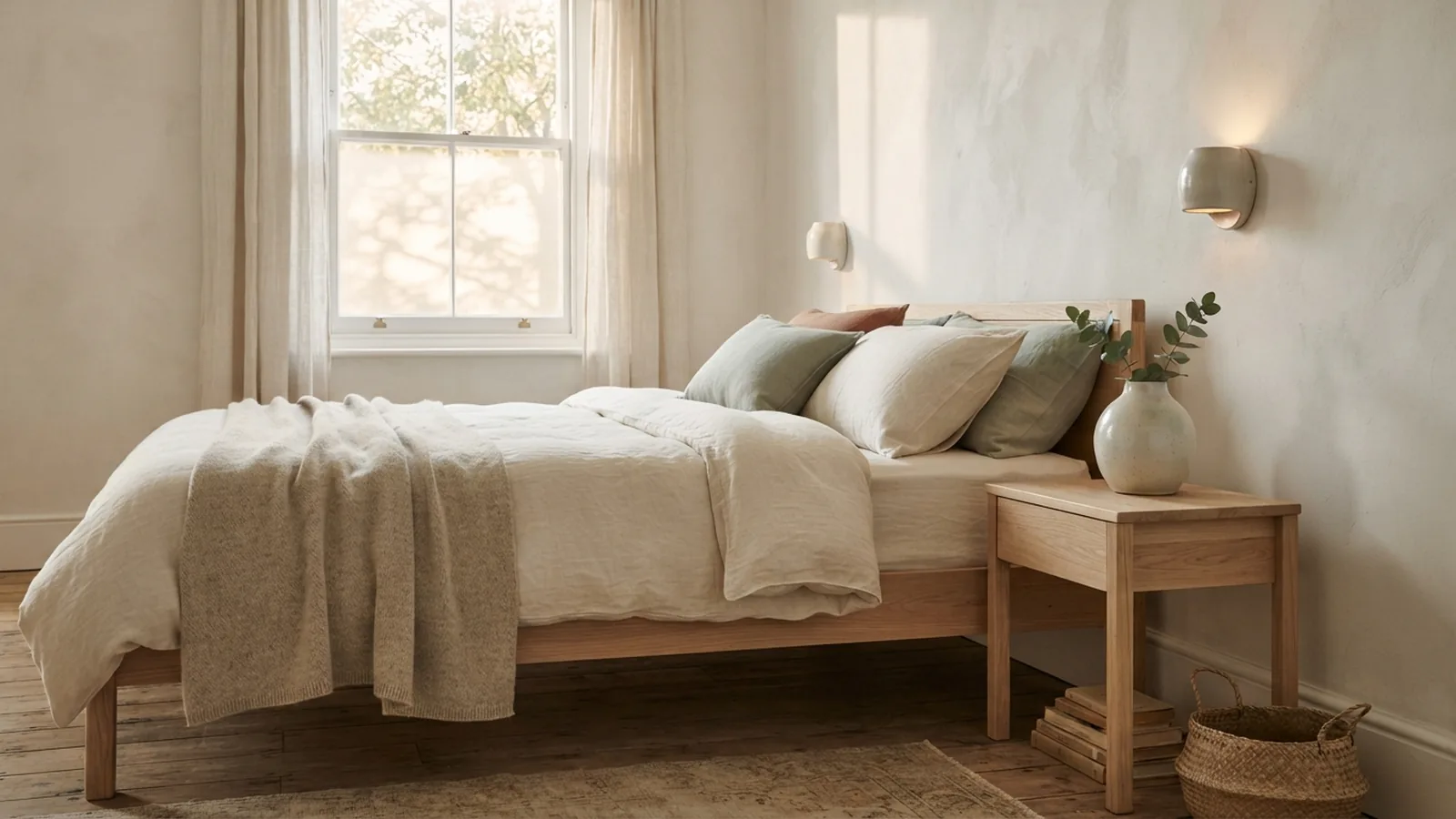
When planning how to decorate a master bedroom, begin with the feeling you want. Soft cream, warm beige, and pale sage can create a calm retreat. Terracotta, rust, or muted coral add warmth without taking over. Color can shape a room’s mood, so choose shades you enjoy seeing each day.
Pick one main color, one supporting shade, and one accent. Use the main shade on walls or bedding. Repeat the other colors in curtains, cushions, and art. This simple link helps different pieces feel at home together.
Test paint with large sample cards before you commit. Check each shade in morning light and after sunset. Light can change how a color looks. If you share the room, agree on the mood first.
- For a restful feel, pair warm white, sage, and natural wood.
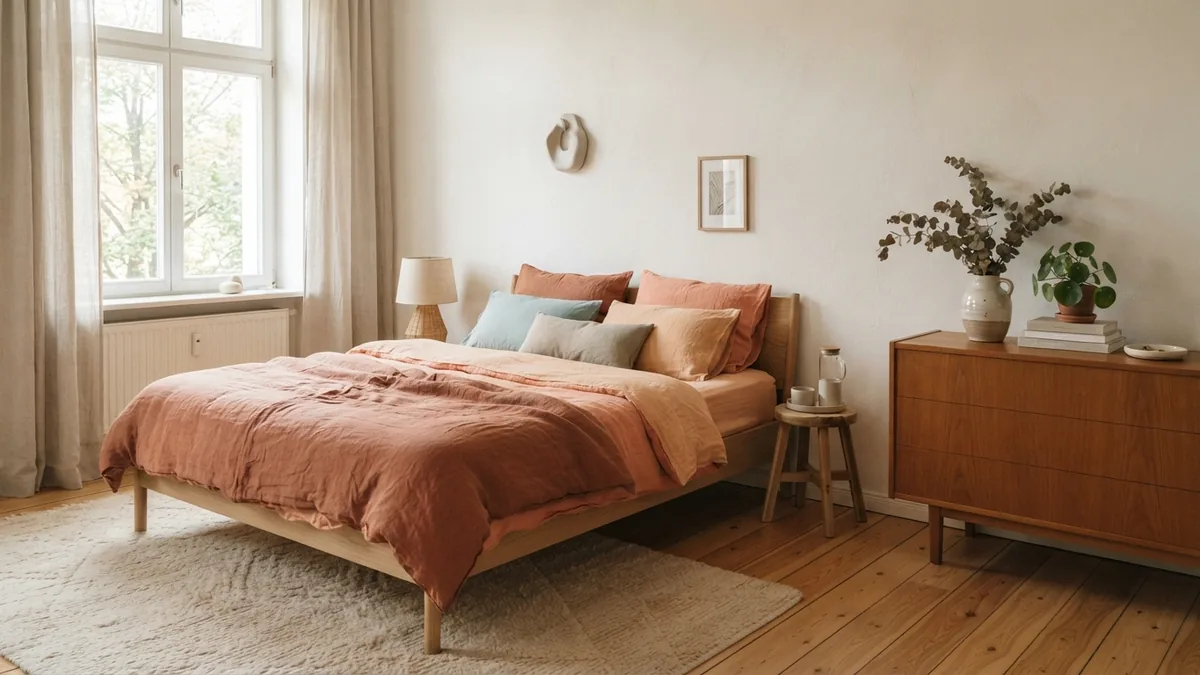
- For a cozy look, mix oat, soft peach, and muted terracotta.
- For a fresh feel, use cream, pale green, and one dark accent.
Keep bold colors to one or two spots. A painted wall behind the bed can add depth without making the room feel busy. This is a useful way to decorate master bedroom walls while keeping the rest of the space quiet.
Select Furniture That Earns Its Space
Choose the bed first because it sets the room’s scale. A simple wood frame suits many styles. An upholstered frame can soften a plain space. Measure the room, bed, and doorways before buying. Leave room to walk and open drawers with ease.
Matching bedside tables can bring balance, but they need not be identical. Choose pieces with similar height or visual weight. Add a lamp or tray to each side. Keep daily items close, but leave enough clear space.
Good storage makes a bedroom easier to use. A bed with drawers can hold spare sheets. A low chest can store clothes without blocking a window. In a small room, furniture with legs can help the floor feel more open.
Think about how each piece will serve you. A chair works well if you dress or read there. If it only collects laundry, choose a hamper instead. A useful room feels better than one packed with furniture.
- Measure walkways and drawer clearance before you shop.
- Choose a slim table for a narrow space.
- Use closed storage for items that tend to look messy.
Add Art, Rugs, and Soft Textures
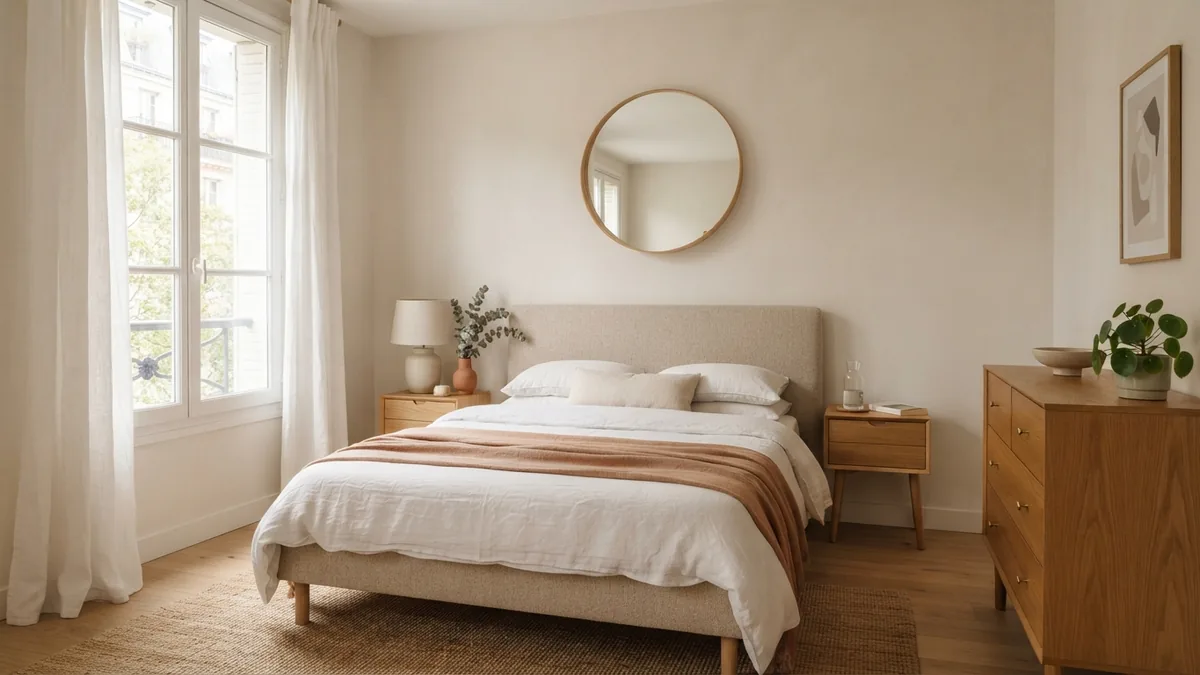
Accessories bring texture and warmth. Start with the bed, then layer a quilt or throw over the duvet. Add two or three cushions in fabrics such as linen, cotton, or wool. A mix of textures adds depth without adding many colors.
A rug can soften the floor and mark out the bed area. Choose one that extends beyond the bed on both sides. In a small room, try a runner beside each side instead. Check that doors can open without catching the rug.
When deciding how to decorate master bedroom walls, hang art near eye level. Give each piece space to breathe. One large print above the bed can act as the focal point. A small group of frames can work above a dresser.
For ideas on how to decorate a master bedroom dresser, group a few items at different heights. Try a lamp, a shallow bowl, and a framed print. Leave clear space for daily use. The display will feel planned, not crowded.
Choose personal items with care. Framed photos, a plant, or a handmade object can make the room feel like yours. A few meaningful pieces often say more than a shelf full of decor.
Make the Layout Work for Your Room
Place the bed where it is easy to reach from both sides. The wall opposite the door works in many rooms. A window wall or corner may suit a room with an unusual shape. Keep clear paths to closets and windows.
Test a layout before moving heavy furniture. Mark the bed’s footprint with painter’s tape, then check the walking space. Aim for about 30 inches along a main path when the room allows. A tighter gap may work on a less-used side.
Angling the bed can make a large, awkward room feel more inviting. Use this idea only if it leaves clear paths. In a small room, wall-mounted lights and narrow tables can free floor space.
Use height as well as floor space. Tall shelves can hold books and baskets. Hooks behind a door can hold robes. Keep the tops of storage units simple, since too many objects can make a small room feel crowded.
Use Lighting for Warmth and Function
Layered lighting helps the room shift from getting ready to winding down. Start with ambient light for the whole room. Add task light for reading or dressing. Use accent light for a soft glow near art or a favorite corner.
Place bedside lamps or wall lights where you can reach them from bed. Aim light at the page, not across the room. At a dresser, two lights can reduce shadows while you get ready. A dimmer can make a bright ceiling light easier to live with.
Warm bulbs can help a bedroom feel restful. Try bulbs with a warm white tone, then check how they look beside your wall color. Use the same tone across nearby lamps for a settled look.
Give the Bedroom and Bathroom a Shared Feel
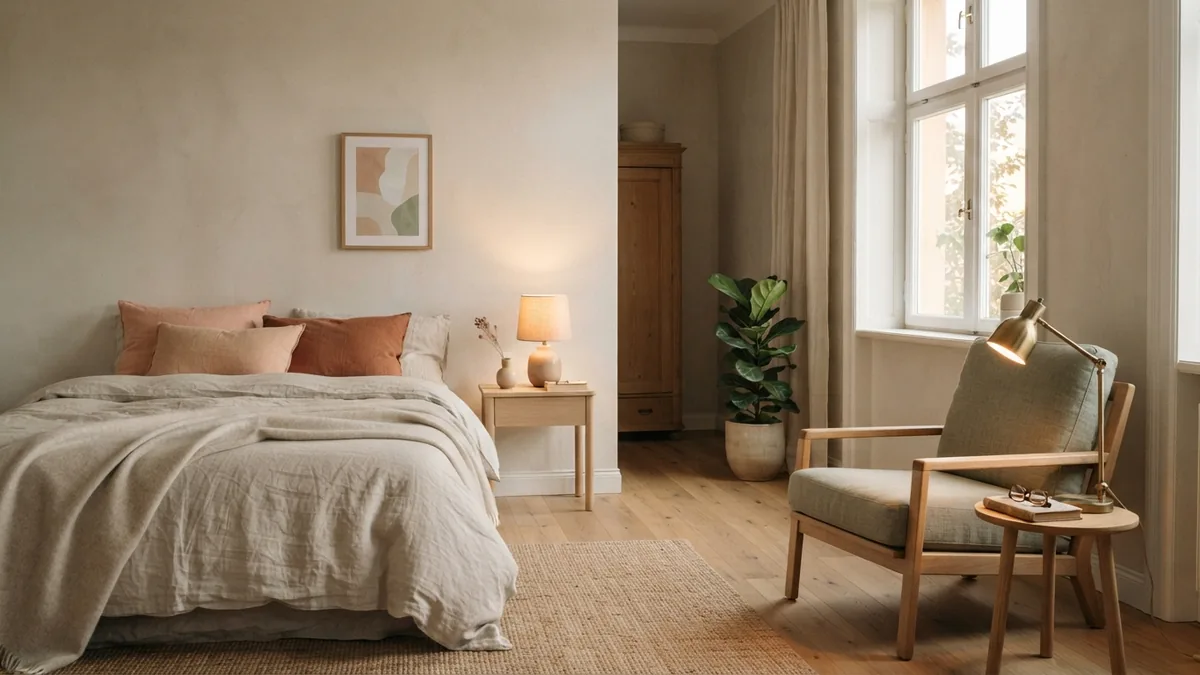
A master bedroom suite can feel connected without using one color everywhere. Repeat a shade, wood tone, or metal finish in both rooms. For example, pale sage in the bedroom could appear in a bathroom towel or small accessory.
People often ask, should master bathroom paint match bedroom walls? It does not have to. If you wonder whether the master bedroom and bathroom should be the same color, choose colors that sit well together instead. They should feel related, not copied.
For a smooth flow, keep one shared color and vary the rest. A warm cream bedroom can pair with pale green bathroom walls. When asking should master bedroom and bathroom paint match, think about the light and finishes in each room. Moisture and tile can affect how paint looks in a bathroom.
To decorate a master bedroom and bathroom as one suite, repeat a small detail in both spaces. Try pale oak, linen tones, or brushed metal. Keep surfaces clear, especially in a small bathroom. These ideas also help when planning how to decorate a master bathroom on a budget.
Decorate Well on a Budget
Start with what you own before buying anything new. Move a lamp, art print, or small table from another room. A fresh layout can change how a space feels without costing money. This is a good first step in how to decorate a master bedroom on a budget.
Thrift shops and secondhand listings can turn up solid wood furniture and unique decor. Check each item for sturdy joints and signs of wear. A clean finish or new drawer pulls can refresh an old dresser. Try changes you can undo before making larger updates.
Simple DIY projects can add color at low cost. Paint one wall, sew a cushion cover, or frame a fabric remnant. Buy one quality item at a time instead of replacing everything at once. Small changes can build a room that feels finished.
- Swap decor between rooms before shopping.
- Refresh a dresser with new pulls or a careful coat of paint.
- Use a throw or cushion cover to add a new accent color.
- Set a spending limit before buying art or accessories.
If you are wondering how to decorate my master bedroom, start with one change you will notice each day. Your room does not need to follow a set style. The best answer to how to decorate your master bedroom is to balance comfort, function, and the details you love.
Frequently asked questions
- How do I decorate a master bedroom on a budget?
- Move items from other rooms before buying anything. Thrift sturdy furniture, refresh drawer pulls, and use low-cost fabric or paint for a simple update.
- Should the master bedroom and bathroom be the same color?
- No. They can use different colors that share a shade, wood tone, or finish. A shared detail helps the rooms feel connected.
- How do I decorate a master bedroom dresser?
- Group a lamp, a shallow bowl, and one framed print at varied heights. Leave clear space for daily use so the top does not feel cluttered.
- How can I make a small master bedroom feel larger?
- Choose furniture with open space beneath it and keep walkways clear. Wall-mounted lights and slim bedside tables can free up floor space.
- What colors work well in a master bedroom?
- Warm white, cream, beige, and pale sage suit a calm room. Muted terracotta or soft coral can add warmth as small accents.
Related reading
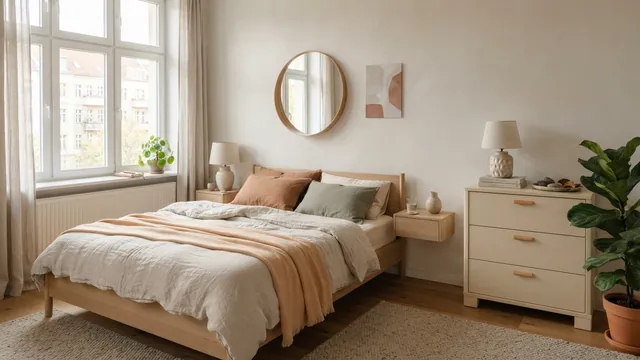
Bedroom Furniture: Layout and Style
Choose bedroom furniture that fits your space, style, and daily routine.
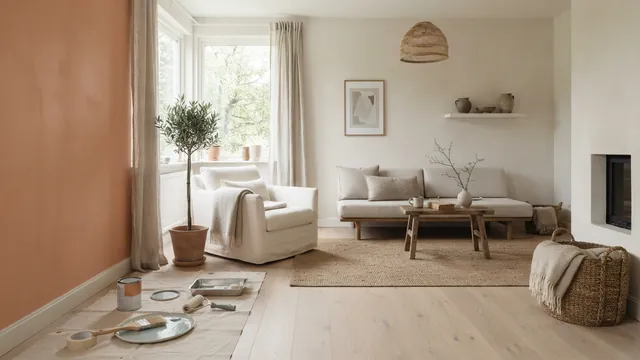
Room Painting Labor Costs — Rates and Budget Factors
See typical room-painting labor rates and learn what drives the final price.
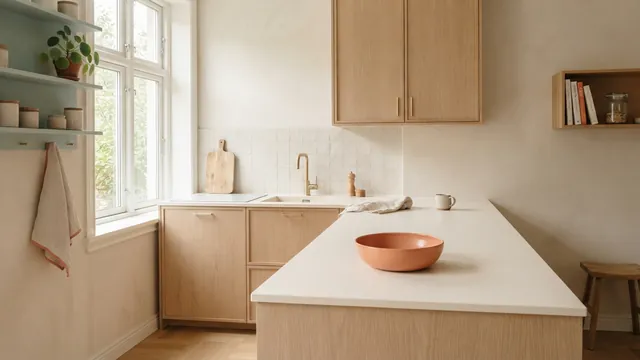
Kitchen Renovation Costs — Price Ranges and Budget Factors
See typical kitchen remodel prices, key cost drivers, and ways to keep your budget on track.