Bedroom Furniture: Layout and Style
Choose bedroom furniture that fits your space, style, and daily routine.
Start with Essential Bedroom Furniture
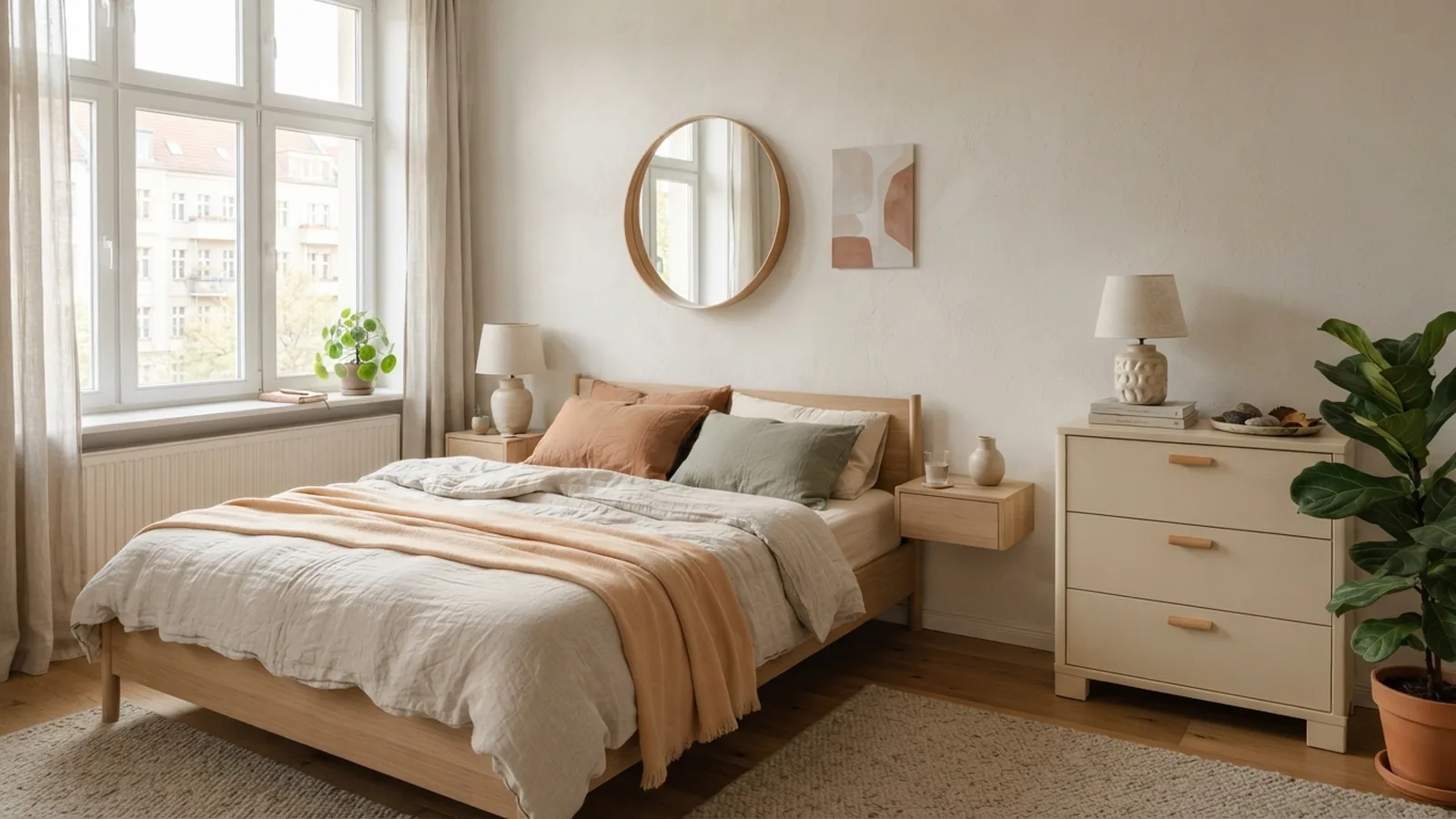
Learning how to furniture a bedroom starts with the pieces you use each day. The bed comes first because it sets the room’s size and layout. Then add storage and surfaces that support your routine.
If you ask what furniture should be in a bedroom, begin with four core items. These pieces suit most rooms and needs.
- Bed: Choose a size that leaves room to walk around it.
- Nightstands: Add one or two beside the bed when space allows.
- Dresser: Use it for folded clothes, linens, and daily items.
- Wardrobe: Add one when the room lacks a built-in closet.
If someone asks, “name some furniture you would find in the bedroom,” the list can grow. A bench, desk, mirror, chest, or armchair may also fit. Add these only after the main pieces work well.
Measure every piece before you shop. Record its width, depth, and height. Also measure doors, stairs, and lift doors before buying large items.
Choose a Style That Fits the Room
Furniture style sets the mood before you add decor. Modern rooms often use clean lines and slim legs. Traditional rooms may use shaped legs, wood detail, and rich tones.
Minimalist rooms use fewer pieces and calm colors. Japandi rooms pair simple forms with warm wood and soft cloth. Farmhouse rooms often use aged wood and woven texture.
| Style | Useful features | Good color choices |
|---|---|---|
| Modern | Flat fronts and slim metal legs | Warm white, oak, beige |
| Traditional | Wood detail and shaped legs | Cream, tan, muted green |
| Minimalist | Few pieces and hidden storage | Oat, soft white, pale wood |
| Japandi | Low forms and natural texture | Sand, sage, warm brown |
Pick one main style for the largest pieces. Let smaller items add contrast. This keeps the room calm without making it dull.
Color can link pieces from different sets. Repeat one wood tone, metal finish, or cloth shade. Small repeats make the bedroom feel planned.
How to Mix Bedroom Furniture Styles
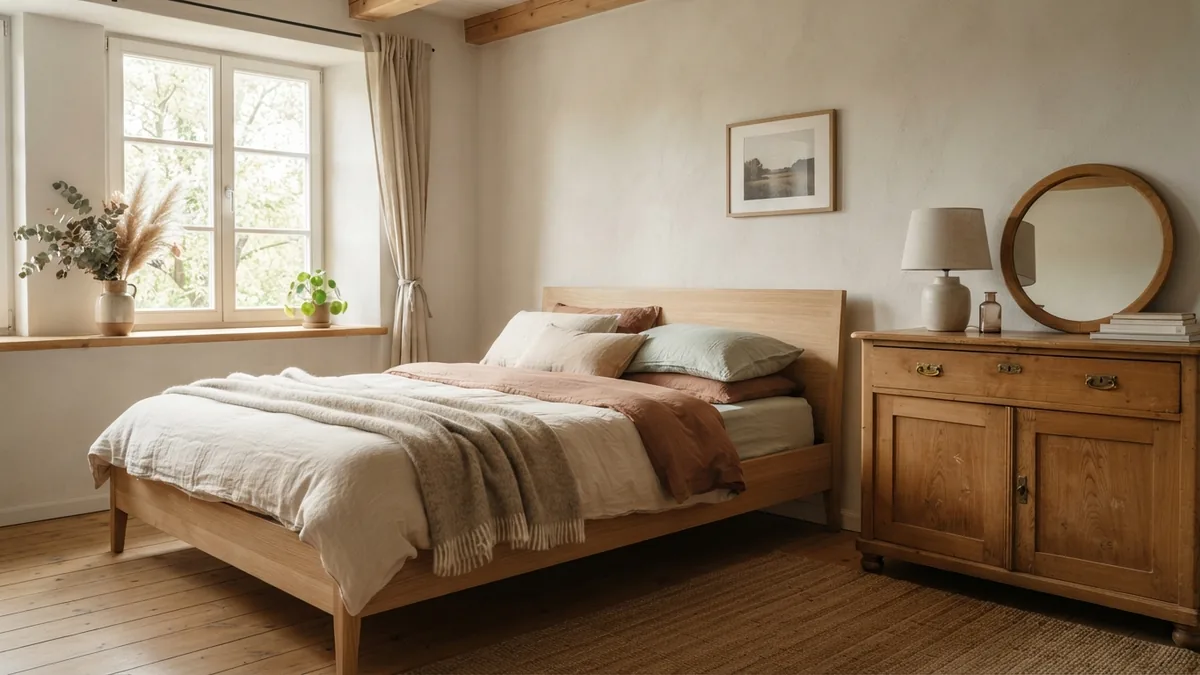
Knowing how to mix furniture in bedroom design starts with one clear link. Use color, shape, material, or scale to connect different pieces. A modern bed can work with a classic dresser in the same warm oak tone.
Do not give every style equal weight. Choose one main look, then add one or two supporting styles. This creates contrast without visual noise.
- Repeat one finish across at least two large pieces.
- Keep metal details in one warm or cool family.
- Balance heavy furniture with lighter shapes.
- Use close colors when wood finishes differ.
- Repeat a curve, line, or leg shape in smaller items.
Varying height can make a mixed room feel natural. A tall wardrobe can sit near a low bed and wide dresser. Keep the largest item against the strongest wall.
Start with one anchor piece when mixing styles. The bed often fills that role. Build the rest of the room around its finish, height, and shape.
Arrange Furniture for Easy Movement
The answer to where to put furniture in bedroom planning starts with movement. You should reach the bed, closet, window, and door without squeezing past other pieces. Aim for about 60 centimetres of clear walking space where possible.
Place the bed on the longest clear wall when the room allows it. Keep the headboard away from the door swing. Avoid blocking windows unless the room has no better wall.
- Mark the door swing on a rough floor plan.
- Place the bed where it has a clear approach.
- Add nightstands beside the headboard.
- Place the dresser opposite the bed or along a side wall.
- Add a wardrobe near the closet or dressing area.
- Test each path before bringing in small decor.
Keep drawers and wardrobe doors in mind. A dresser may fit against a wall yet block a path when open. Leave room for each drawer to extend fully.
Nightstands should sit close enough to reach from bed. Their tops should sit near mattress height. This keeps lamps, glasses, and books within easy reach.
Match Furniture to Bedroom Size
Furniture should match the room, not just your taste. A king bed can overwhelm a small bedroom. A narrow double bed may look lost in a large room.
For a small room, choose a bed with drawers or a lift-up base. Pick a slim dresser and a tall wardrobe. Vertical storage uses wall height without taking much floor space.
- Small bedroom: Choose shallow pieces, light colors, and open floor space.
- Medium bedroom: Add a dresser, two nightstands, and one useful seat.
- Large bedroom: Create zones for sleep, dressing, reading, or work.
Leave breathing room between large pieces. Open floor helps a room feel calm and makes cleaning easier. Do not fill an empty corner just because it is available.
When choosing what furniture to put in bedroom spaces, think about use first. A desk helps if you work there. A bench helps if you dress near the bed. Skip both if they only add clutter.
Add Personal Touches and Decor
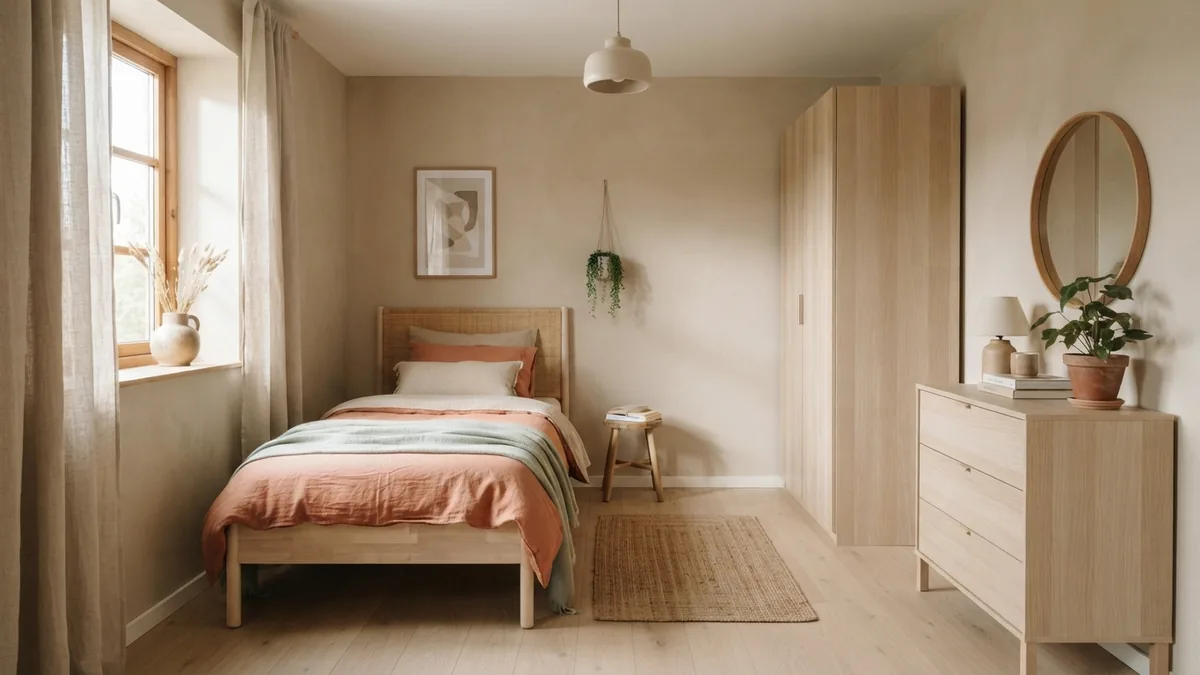
Once the main layout works, add items that make the room feel like yours. Start with bedding, curtains, rugs, and lamps. Choose textures that soften hard wood and metal.
Personal style does not need many objects. One framed print, a plant, or a ceramic lamp may give the room enough character. Keep surfaces clear so the room still feels restful.
- Use a rug to warm the floor beside the bed.
- Choose lamps with a similar finish or shape.
- Add one accent color through cushions or a throw.
- Use baskets for small items that need quick storage.
- Keep decor away from doors, drawers, and walking paths.
Ask what furniture should i have in my bedroom before buying more pieces. The answer depends on sleep, storage, work, and dressing needs. A smaller room often feels better with fewer items.
Review the room after living in it for a week. Move items that block movement or gather clutter. Good bedroom design should support real habits, not just look good at first.
A Simple Bedroom Furniture Checklist
Use a short checklist before you shop or rearrange. It can help you find gaps without adding items that the room does not need.
- Measure the room, doors, windows, and fixed features.
- Choose the bed size and mark its footprint.
- Add storage based on your clothes and linen needs.
- Plan clear routes to the door, closet, and window.
- Choose one main style and two linking details.
- Add decor only after the large pieces feel right.
This process answers both what furniture should be in a bedroom and where each piece should go. It also keeps the budget focused on useful items. A well-planned room can feel complete without being full.
Take your time before making large purchases. A paper floor plan can reveal problems early. Small changes at this stage can save money and effort later.
Step-by-step
- 01 Measure the bedroom
Record the room size, doors, windows, and fixed features. Measure the furniture before buying it.
- 02 Choose the bed
Select a bed size that leaves clear paths around it. Mark its footprint on a rough floor plan.
- 03 Add core storage
Place nightstands, a dresser, and a wardrobe based on daily use. Check that doors and drawers can open fully.
- 04 Plan movement
Create easy paths to the bed, closet, window, and door. Aim for about 60 centimetres of clear space where possible.
- 05 Set the style
Choose one main furniture style and two linking details. Use color, finish, shape, or material to connect pieces.
- 06 Add decor
Bring in bedding, rugs, lamps, plants, and small accents after the layout works. Remove anything that blocks movement.
Frequently asked questions
- What furniture should be in a bedroom?
- Most bedrooms need a bed, nightstand, dresser, and wardrobe. Add a desk, bench, mirror, or chair only when the room needs one.
- How do I mix furniture in a bedroom?
- Choose one main style and add one or two supporting styles. Link them with wood tone, color, shape, material, or scale.
- Where should I put furniture in my bedroom?
- Place the bed on a clear wall with an easy path to the door. Keep storage near dressing areas and leave room for doors and drawers to open.
- What furniture should I have in my bedroom?
- Choose furniture based on sleep, storage, dressing, and work needs. A small room often needs fewer pieces with more than one use.
- What furniture should I put in a small bedroom?
- Use a bed with storage, a slim dresser, and a tall wardrobe. Keep the floor open and avoid pieces that block paths.
- How do I furnish a bedroom without making it feel crowded?
- Measure the room before shopping and plan each piece on paper. Leave clear walking space and add decor only after the main furniture fits.
Related reading
Long Walls — Ideas That Add Balance and Character
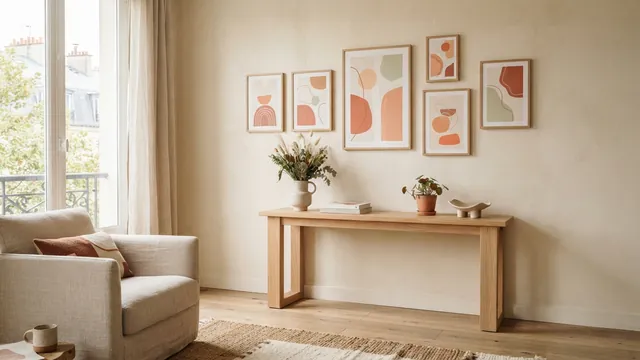
Make a long wall feel balanced with color, art, shelves, and warm light.
Modern Kitchen Design: Form and Function
Plan a modern kitchen that balances clean style with everyday ease.
Curtains for a Blue Room — Color, Texture and Scale
Pair blue walls with curtains that suit your light, style, and room size.