Best Paint Finishes for Kitchens: Cabinets, Surfaces, and Sheen
Semi-gloss for most kitchens. High-gloss for accents. Use eggshell where traffic is lower.
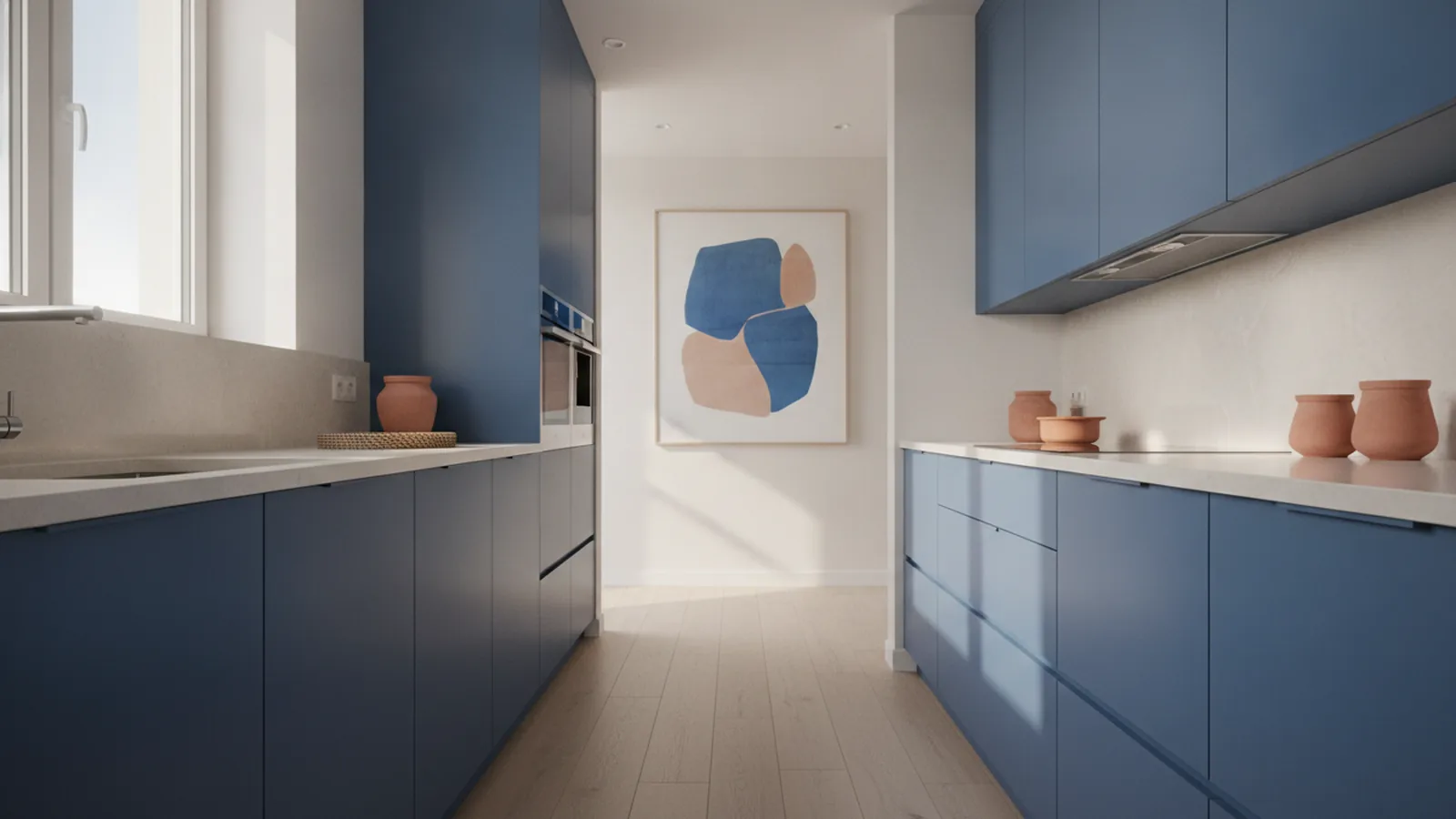
Understanding Paint Finishes
If you want the best kitchen results, choose based on sheen first. Sheen controls how the surface reflects light and how well it handles daily messes. It also changes cleanability, so fingerprints, grease, and steam wipe off with less effort.
Most kitchen paint issues are not about color. They are about finish mismatch. A low-sheen wall paint can look smooth at first, but it often scuffs and stains sooner than expected. A higher-sheen finish usually stays looking fresh for longer.
For a quick rule: prioritize cleanability in the kitchen. Kitchens often see more moisture, cooking residue, and wipe-downs than most rooms. That is why many homeowners end up with a satin or semi-gloss wall or semi-gloss on key surfaces.
- Sheen affects durability: higher gloss typically resists scuffs better.
- Sheen affects cleanability: smoother surfaces release grime more easily.
- Sheen affects looks: gloss highlights imperfections, while flat hides them.
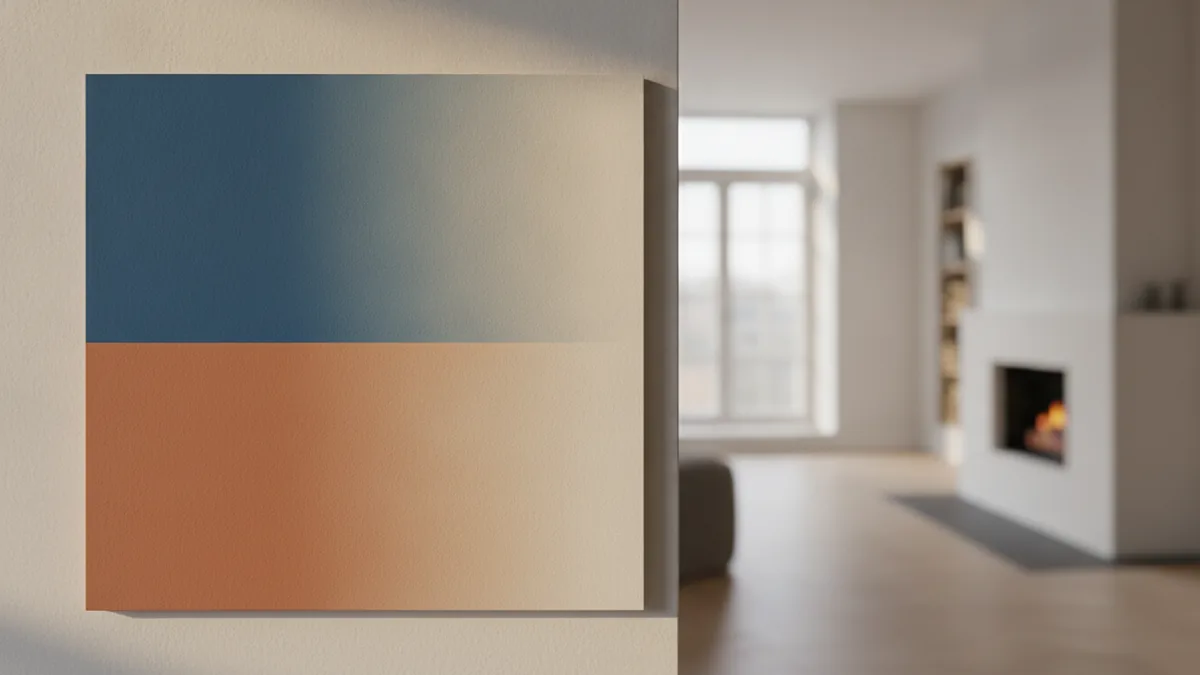
Paint Sheens: What the Common Finishes Actually Mean
Paint sheen is usually described by a named finish level. Common options include flat, eggshell, satin, semi-gloss, and high-gloss. Each one sits at a different point on the gloss scale.
Here is what they typically do in real kitchens. Flat looks velvety and hides wall flaws well. However, it can be harder to clean because it does not seal grime as effectively.
Eggshell is a popular middle ground. It adds some stain resistance and wipe ability, while still keeping the look softer than satin. It is a strong pick for less active areas.
Satin, semi-gloss, and high-gloss go up in sheen and cleanability. Semi-gloss is a go-to in kitchens for moisture resistance and easier wiping. High-gloss is the most dramatic and can read as a glossy highlight on cabinets and trim.
| Sheen | Best use | Trade-off |
|---|---|---|
| Flat | Ceilings, low-use rooms | Lower cleanability and scuff resistance |
| Eggshell | Dining rooms, hallways, some kitchen walls | Not ideal for heavy wipe-down areas |
| Satin | Kitchen surfaces needing more cleanability | May show roller marks if prep is rough |
| Semi-gloss | Kitchen walls, trim, doors | Shows more surface imperfections |
| High-gloss | Cabinet doors, bold trim accents | Most likely to show dents and sanding flaws |
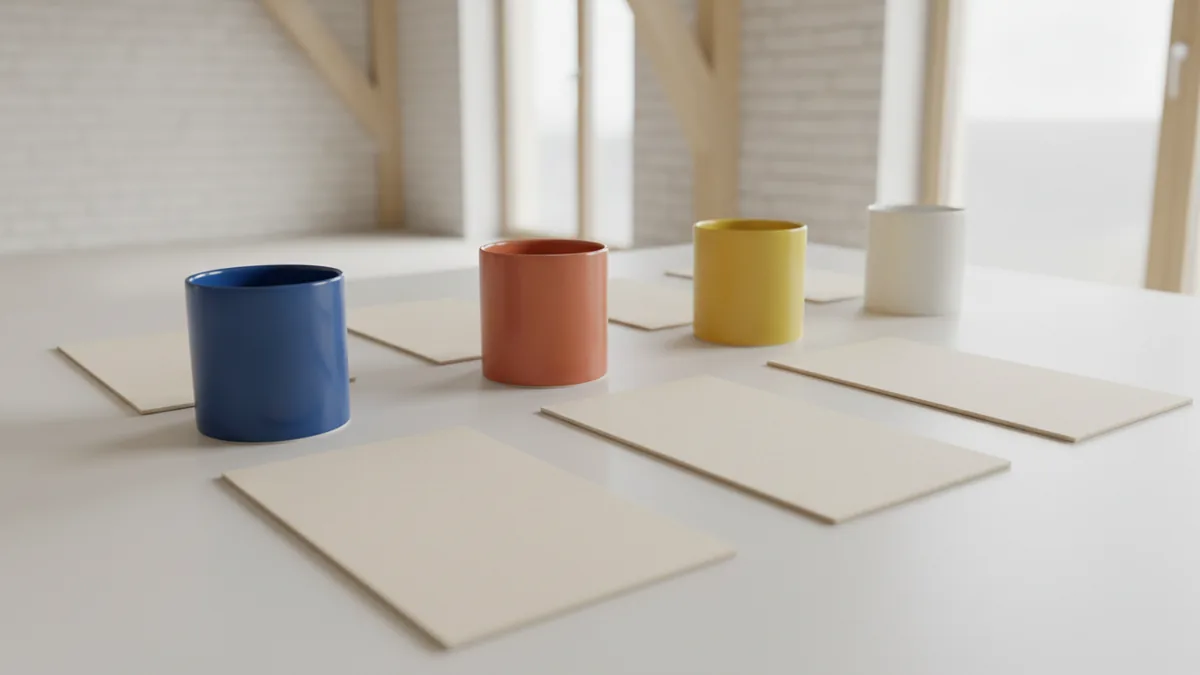
Choosing the Right Finish for Kitchens
When people search for what paint finish to use in kitchen, they usually want two things. They want a finish that looks good now and stays that way after cooking. The fastest way to get there is to match sheen to how often you will wipe.
Think in zones. The backsplash area and wall space near the stove get more grease and steam. Countertop splash zones also see frequent wipe-downs. In contrast, the far wall in a dining nook may need only occasional cleaning.
Also check how you plan to clean. If you wipe weekly, you need a finish that tolerates repeated cleaning. A semi-gloss finish often handles this better than flat paint because the sheen helps the film release residue.
- Assess your wipe frequency: near-stove and prep areas often need semi-gloss.
- Assess surface prep quality: higher gloss shows flaws, so sand and patch well.
- Assess light: gloss highlights sheen differences and uneven roller patterns.
- Assess moisture: more steam means you should lean toward higher sheen.
For many homes, the best kitchen paint finish for walls is satin or semi-gloss. Semi-gloss is especially useful where you will wipe away splatters. If you want a softer look, eggshell can work on walls farther from the stove.
Remember that paint type still matters. Two paints with the same sheen can behave differently based on how the finish was formulated. Still, sheen level is the most consistent indicator of cleanability and scuff resistance.
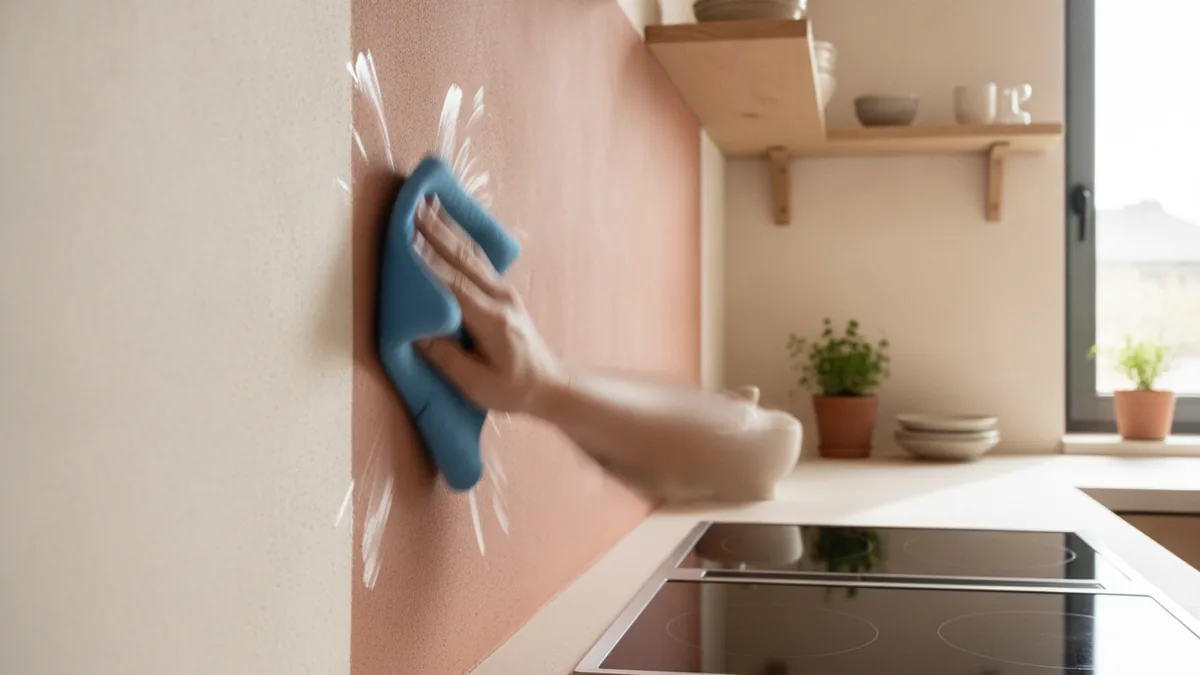
Paint Finish for Kitchen Cabinets
Cabinets take the hardest daily abuse in many kitchens. Hands touch knobs, doors get slammed lightly, and cooking splashes can land nearby. So the what paint finish to use on kitchen cabinets answer usually comes down to gloss control plus durability.
Semi-gloss is a common choice for cabinet boxes and doors. It cleans well, resists scuffs better than flatter finishes, and holds up to frequent wipe-downs. You also get a smoother surface that can better handle fingerprints and smudges.
If you want a striking, clean-lined look, high-gloss can work well on cabinet doors and trim. High-gloss reflects more light, which makes features feel crisp. However, it also makes surface flaws more noticeable, so finishing techniques and prep matter a lot.
Eggshell can work on cabinets too, especially in low-traffic kitchens. It offers a softer look and can hide minor surface issues. Still, if you expect heavy cleaning or have kids who touch everything, eggshell may wear faster.
| Kitchen cabinet area | Recommended sheen | Why |
|---|---|---|
| Door fronts and drawers | Semi-gloss or high-gloss | Strong cleanability and better scuff resistance |
| Cabinet sides and interior boxes | Satin or semi-gloss | Balances durability with a less dramatic shine |
| Trim, crown, and window casings | Semi-gloss or high-gloss | Helps the trim read sharply in kitchen interior design |
- Semi-gloss often gives the best balance for daily living.
- High-gloss looks bold and cleans fast, with stricter prep needs.
- Eggshell can be fine for calmer, less touched cabinets.
Moisture-Prone Kitchen Areas: Match Finish to Steam
Moisture levels vary within a single kitchen, and that affects your finish choice. Steam from cooking rises and condenses near vents, ranges, and high-wet corners. If the paint film is not suited for frequent wiping, you can see fading or early scuffing.
This is why semi-gloss is often recommended in kitchens. Its sheen improves moisture resistance and makes it easier to remove residue. Grease and condensation are both easier to wipe from a more glossy surface.
When you choose a finish, also consider ventilation. A strong range hood lowers how long steam sits on walls. That can help even a satin finish last longer.
For cabinets near sinks, protect the surface from splash, then clean on schedule. Moisture resistance is not only about sheen. It is also about sealing edges and maintaining a consistent cleaning routine.
As a practical test, think about the mess you will remove. If you will wipe with a damp cloth weekly, choose a sheen that can handle repeated cleanings. If you only dust a few times a year, a lower sheen may be acceptable.
General Recommendations for Other Rooms
While the focus here is kitchens, many readers also ask about adjacent spaces. They might wonder what paint finish to use in bathroom or bedroom when they are choosing a whole-home plan.
Bathrooms are also moisture-prone, so higher cleanability matters. Many people prefer satin or semi-gloss on walls and trim for easier maintenance. This is similar logic to kitchens, but bathrooms can see more frequent wet splashes.
Bedrooms are usually lower traffic. Walls can often look best with eggshell or satin, since scuffing is less frequent. Flat finishes also work in some bedroom ceilings because light reflection is minimal.
For ceilings in any room, flat is the default in most homes. It hides texture and uneven patchwork. Since ceilings are rarely cleaned, cleanability is less critical.
- Ceilings: flat for hiding imperfections.
- High-traffic walls: satin or semi-gloss for durability.
- Low-use rooms: eggshell for a softer look.
Tips for Maintenance and Care
Even the best sheen needs care. The goal is to clean gently at the start, before stains bake in. For kitchens, start with dry dusting, then wipe with a soft cloth and mild cleaner.
Use the right cleaning method for the sheen you chose. Semi-gloss and satin tolerate damp wipes well. High-gloss is also resilient, but harsh scrubbing can dull the shine over time.
Avoid abrasive pads on painted finishes, especially on high-gloss. If you use them, you can create a patchy sheen that is hard to even out. Stick to non-abrasive sponges and microfiber cloths.
Also watch how you dry surfaces. Leaving cleaning solution to air-dry can leave residue. Wipe dry after cleaning, especially near the stove and backsplash.
- Clean early: remove splatters soon after cooking.
- Wipe gently: use soft cloths and mild soap.
- Dry after cleaning: prevents streaks and residue build-up.
- Repaint in phases: touch up high-wear zones first.
- Inspect trim: cabinet edges and corners show wear first.
Finally, finishing techniques matter for gloss levels. Smooth, even coats look better with higher sheen. If you want high-gloss cabinets, plan for careful sanding and steady roller or spray work.
Pick your sheen to match your kitchen habits. Then maintain it with simple, repeatable cleaning. That combination is what makes kitchen paint finishes stay beautiful for years.
Frequently asked questions
- What paint finish should I use in the kitchen on walls?
- Most kitchens do well with satin or semi-gloss on walls, especially near cooking areas. Choose eggshell for farther, lower-traffic walls if you want a softer look.
- What paint finish to use on kitchen cabinets for the best durability?
- Semi-gloss is a common choice for cabinet doors because it cleans well and resists scuffs. High-gloss also works if your prep and finishing are very smooth.
- Is semi-gloss better than eggshell in a kitchen?
- Often, yes. Semi-gloss usually wipes clean more easily and holds up better near steam and splatters.
- What paint finish to use in a bathroom compared to a kitchen?
- Bathrooms also benefit from easier-clean finishes like satin or semi-gloss on walls and trim. Kitchens and bathrooms share the need for moisture-resilient, cleanable coatings.
- Should I use flat paint anywhere in a kitchen?
- Flat is usually best for ceilings and low-use areas. For walls that get frequent wiping, higher sheen finishes typically last longer.
- How do I maintain glossy kitchen paint without dulling it?
- Use soft cloths and mild cleaners, then dry the surface after wiping. Avoid abrasive pads, especially on high-gloss finishes.
Related reading
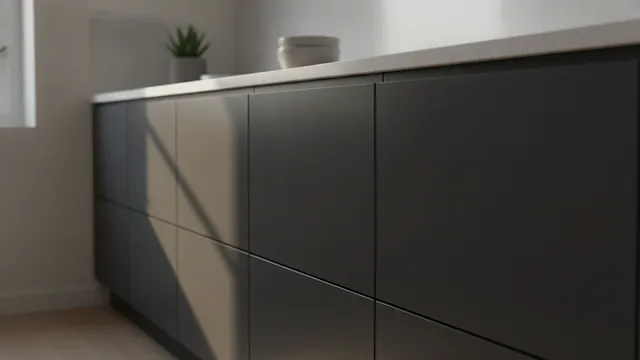
Best Paint Finish for Kitchen Cabinets: Durable Options That Look Good
Pick a cabinet finish that resists wear, wipes clean, and matches your kitchen style.
Couch Placement — Comfort, Flow, and Style
Arrange couches for easy movement, good conversation, and a balanced room.
Small Kitchen Design — Light, Space and Smart Storage
Use light, smart storage, and slim furnishings to make a small kitchen feel more open.