Bathroom Paint — Moisture, Finishes and Cost
Choose bathroom paint based on dampness, airflow, surface prep and finish.
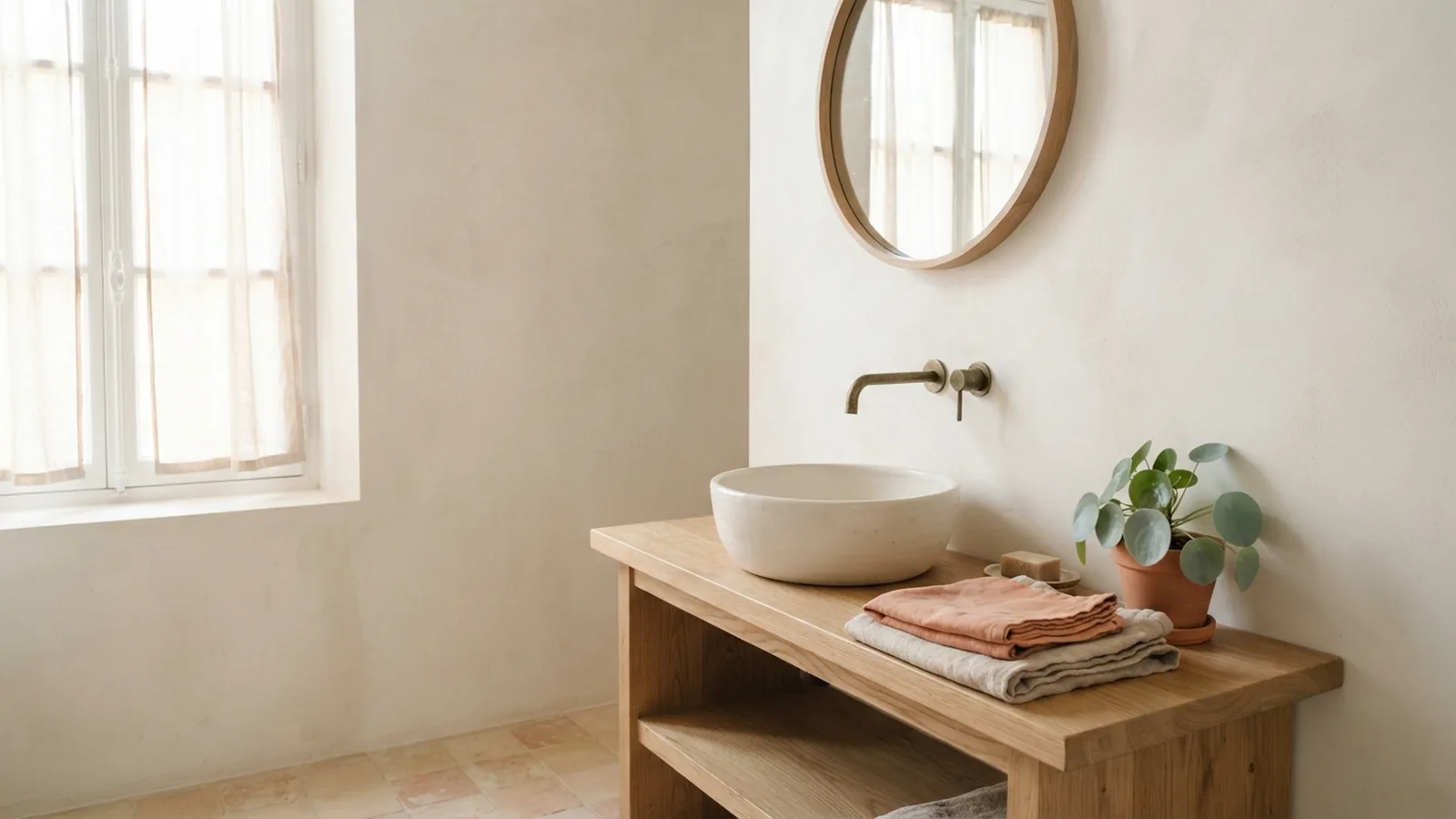
Understanding bathroom humidity
Bathrooms face more damp air than most rooms. Showers and baths release water vapor, which can settle on cool walls and ceilings. Repeated dampness may make paint bubble, peel, stain, or grow mildew on its surface.
Do I need special paint for bathroom walls? It depends on how wet the room gets and how fast it dries. A small room with long, hot showers and weak airflow has more risk than a bright bathroom with a working fan.
Watch how your room behaves after bathing. Water beads, lingering steam, musty smells, or dark marks can point to excess moisture. Paint cannot fix a leak, a damp wall, or poor air flow.
- Check corners and areas behind towels for dark spots.
- Notice whether mirrors and walls stay wet long after a shower.
- Look for peeling paint near the ceiling, shower, and sink.
Good airflow helps lower that risk. Run the fan during showers and afterward, following the fan maker’s advice. The EPA’s guide to mold and moisture advises keeping indoor spaces dry to help limit mold growth.
Why regular paint may fail
Standard paint can fail when damp air stays in the room. Water may work into small cracks or weak spots in the paint film. Over time, repeated wetting and drying can loosen the paint from the wall.
Flat paint has little sheen and can be harder to wipe clean. It may absorb moisture and show marks more readily than a tougher finish. That makes it a poor choice for walls that often get splashed or wet.
Peeling paint may signal a larger problem. A leak, blocked vent, or weak fan can keep a surface damp. Fix the cause before you repaint, or the new coat may fail in the same way.
Let the room and wall dry before painting. Scrape away loose paint, then clean the surface with a suitable product. Follow its label and safety steps. Do not paint over active mold or damp plaster.
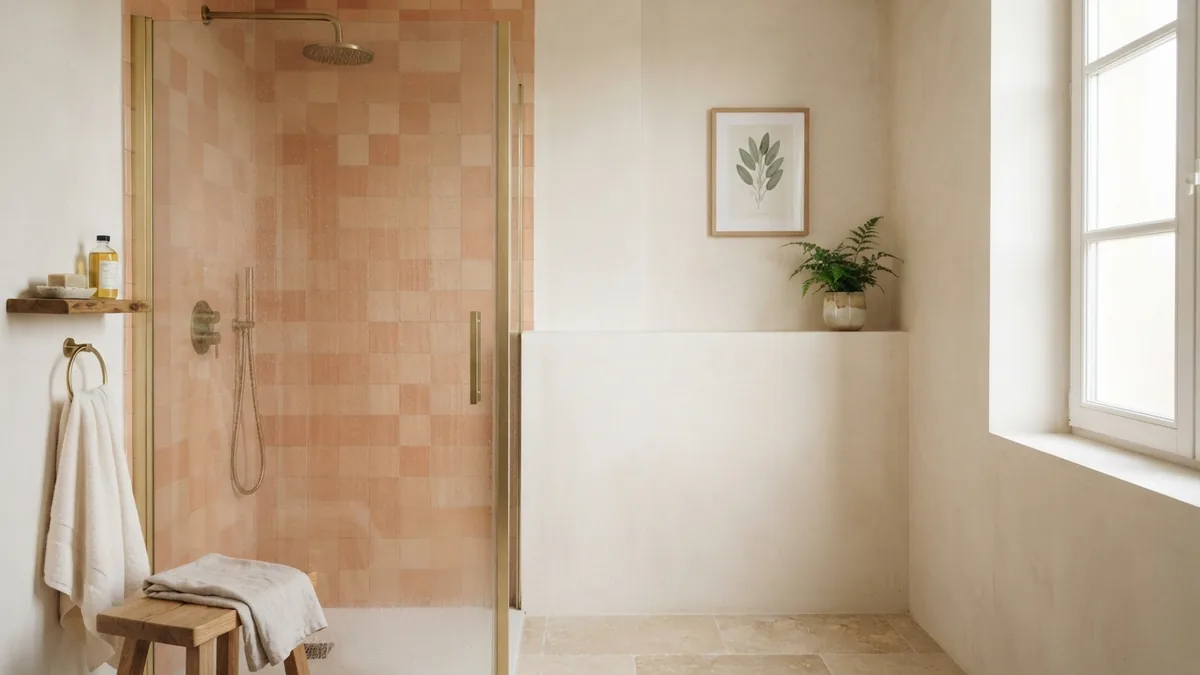
Benefits of specialty bathroom paint
Special paint for bathroom walls is made to handle damp air and regular cleaning. Many products include ingredients that help resist mildew on the paint film. They do not stop mold caused by a leak or wet material behind the paint.
Some bathroom paints also make a harder surface than basic wall paint. This can help with light splashes and soap marks. Check the product label, since some paints are not meant for areas that get direct water.
Do you need a special paint for the bathroom? It can be a good choice when the room often gets steamy, or when walls need frequent cleaning. A suitable standard acrylic paint may work well in a dry room with strong airflow.
Check what lies beneath the old paint before you start. Walls may be bare drywall, plaster, patched areas, or a glossy coat. Use primer when the surface is bare, stained, patched, or shiny. Let each coat dry for the time listed on the can.
Specialty paint adds a layer of defense. It does not replace sound prep, dry walls, or working ventilation. Think of it as added help, not a cure for moisture problems.
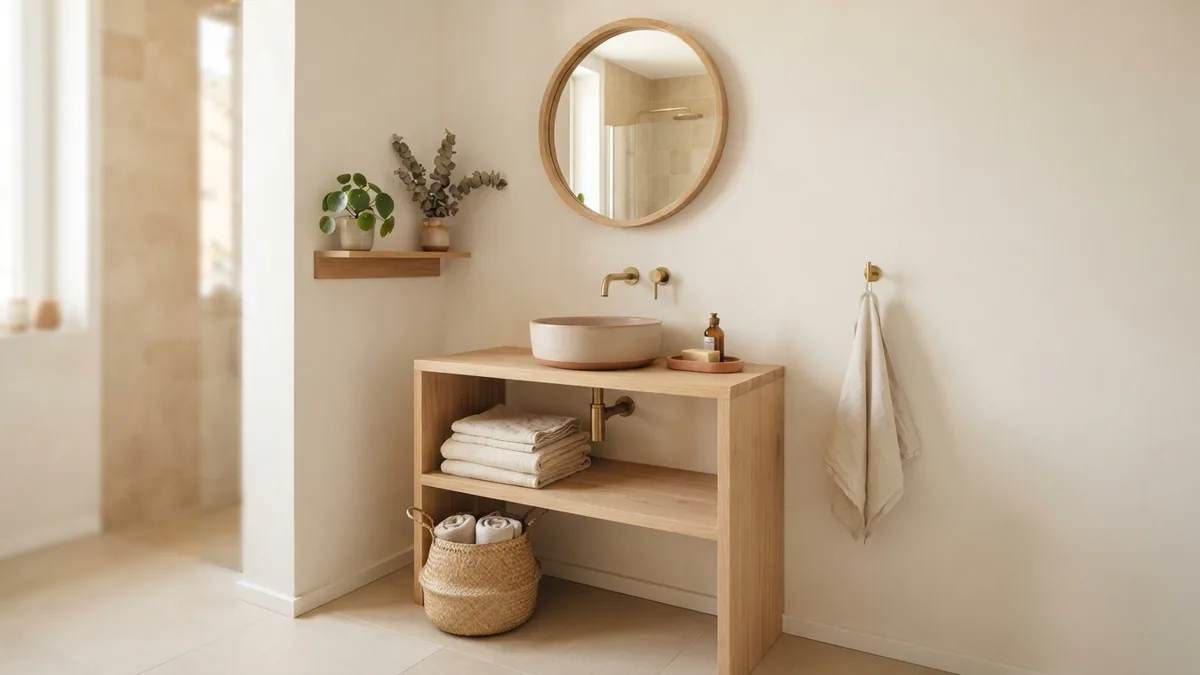
Bathroom paint finishes, from flat to gloss
The finish affects both the look and the care of a painted wall. Higher-gloss paint tends to repel moisture better than a flat finish. It is also easier to wipe clean.
Acrylic eggshell and satin finishes are common choices for bathroom walls. Eggshell has a gentle sheen and can suit rooms with modest moisture. Satin has more shine and often cleans more easily near sinks and showers.
High-gloss paint is very easy to wipe. Yet it can show bumps, patch marks, and flaws in the wall. Its shine may feel too strong across a whole room, so many people save it for trim or small areas.
Match the finish to the surface and how you use the room. Satin can suit busy walls that need regular cleaning. Eggshell may work in drier areas. Avoid flat paint where walls often get wet.
| Finish | Cleaning and moisture | Common use |
|---|---|---|
| Flat | Harder to wash | Dry ceilings away from steam |
| Eggshell | Moderate washability | Walls in well-aired rooms |
| Satin | Good washability | Walls near sinks or showers |
| High gloss | Easy to wipe | Trim or small splash-prone areas |
Paint labels matter more than a finish name alone. Check that the product suits your wall and the level of moisture it will face. Follow the stated drying time before using the room as usual.
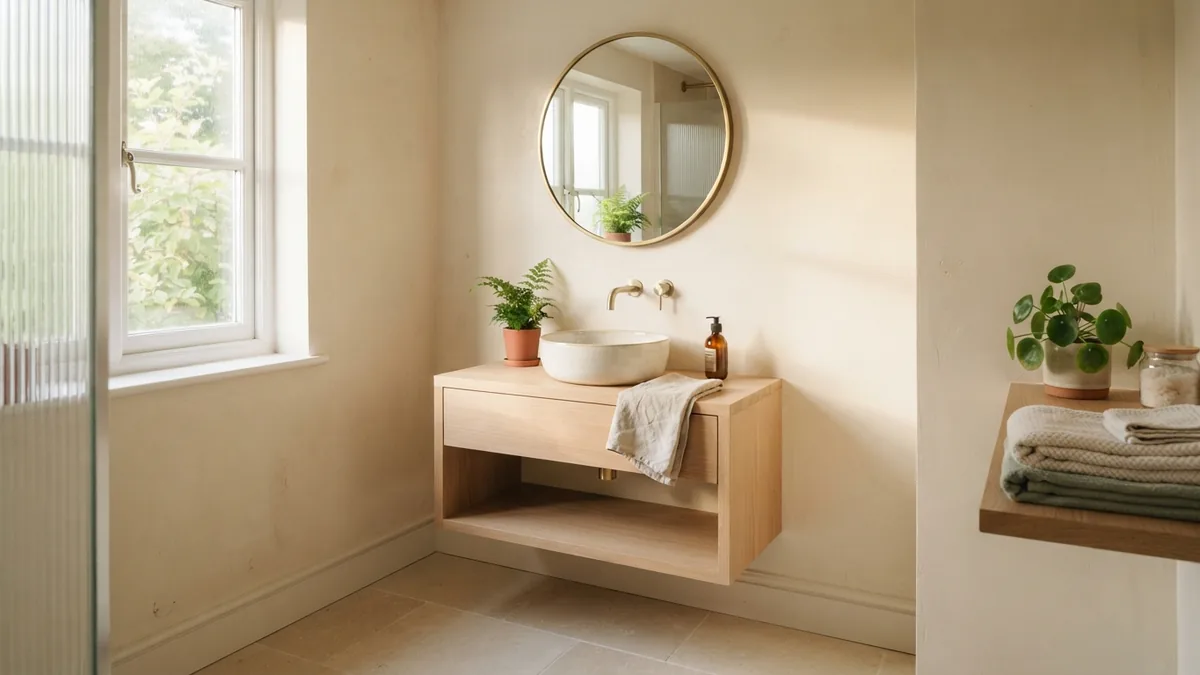
When to opt for special paint
Choose paint with added moisture and mildew resistance if your bathroom gets steamy, has weak airflow, or shows past paint damage. It may also suit a busy family bathroom where walls need frequent wiping.
Regular latex-acrylic paint may be enough in a well-aired bathroom. This is more likely when a fan clears steam and the walls dry soon after bathing. You may not need to pay extra if the room stays dry and the label suits the surface.
Check the fan, vent, and any window before you choose paint. Run the fan during showers and leave it on afterward if the maker allows. Better airflow can reduce dampness and make specialty paint less important.
Do not use wall paint to hide a leak or poor ventilation. Repair water problems first, then let the surface dry fully. Pick paint made for that surface and follow its use and drying directions.
Room use can change the best choice. A guest bathroom used now and then may stay dry with standard acrylic paint. A main bathroom used by several people each day may benefit from a tougher, moisture-resistant product.
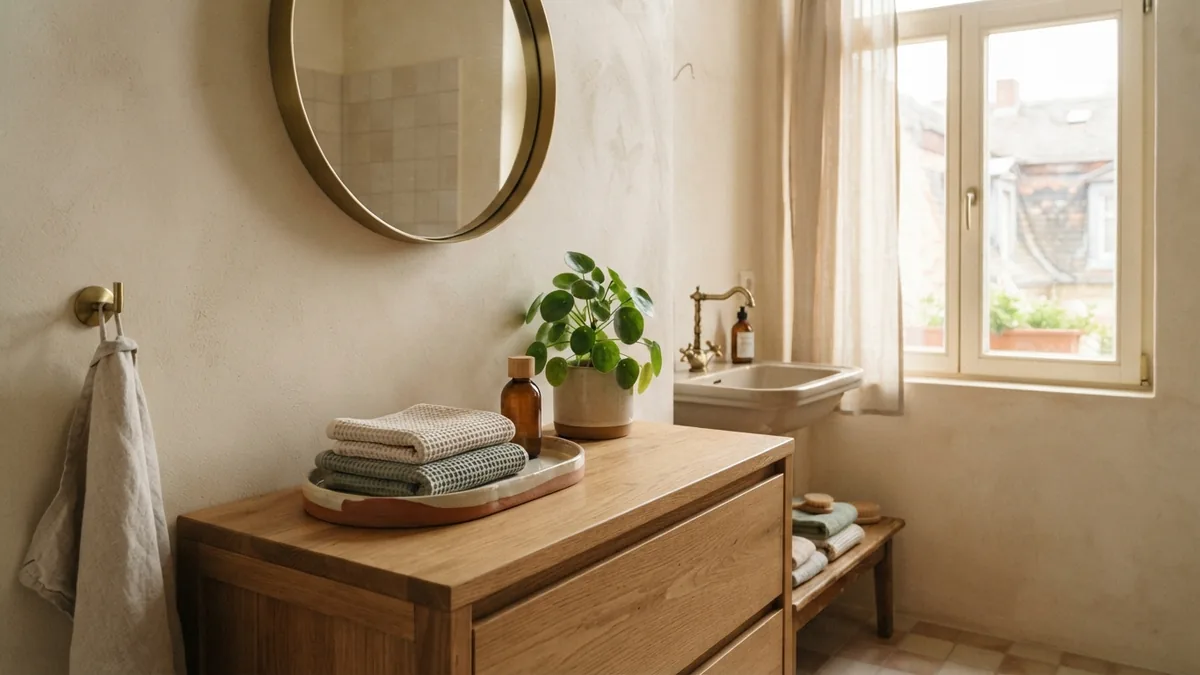
Cost considerations for bathroom paint
Specialty bathroom paint can cost more than standard wall paint. In some cases, it may cost twice as much. Prices vary by brand, finish, can size, and local store, so compare the same amount of paint before you buy.
Do not judge the value by the can price alone. A durable finish may need fewer touch-ups if the room gets damp or needs frequent cleaning. But extra cost brings little benefit when the room stays dry and standard paint suits the wall.
Work out how much paint the room needs before shopping. Measure each wall’s width and height, then subtract large doors and windows. Check the coverage rate on the label and allow for extra coats on bare or patched walls.
Also budget for primer, surface cleaner, brushes, rollers, and repairs. A sound fan or leak repair may matter more than an expensive paint upgrade. Fixing the source of dampness can help any suitable paint last longer.
In short, choose based on dampness, airflow, surface, and care needs. Use specialty paint where moisture is hard to avoid. Use standard latex-acrylic paint when the room dries well and its label fits the job.
Frequently asked questions
- Do I need special paint for a bathroom?
- Not always. A well-aired bathroom may do well with quality latex-acrylic paint, while a damp room may benefit from moisture-resistant paint.
- Do you need a special paint for the bathroom?
- You may not need one if the room dries quickly and the paint suits the surface. Specialty paint can help in steamy rooms that need frequent cleaning.
- What paint finish is best for bathroom walls?
- Acrylic eggshell and satin are common choices. Satin is easier to wipe clean, while eggshell has less sheen and can suit drier rooms.
- Does bathroom paint stop mold?
- No. Some paint resists mildew on its surface, but it cannot stop mold caused by leaks, wet walls, or poor airflow.
- Is bathroom paint more expensive?
- It can be. Some specialty bathroom paints cost about twice as much as standard paint, though prices vary by product and store.
Related reading
Is Matte Paint a Good Choice for Your Bathroom?
Learn when matte paint works in bathrooms and when satin is the safer choice.
Large Living Rooms — Comfort, Zones and Flow
Make a spacious living room feel warm, useful, and easy to move through.
Small Living Rooms — Layout, Light and Comfort
Make a small living room work better with smart layout, light, and storage.