Large Kitchen Islands: Style and Function
Style a large kitchen island with balance, warmth, storage, and useful seating.

Understanding the Role of a Large Kitchen Island
To style a large kitchen island, treat it as the room’s main visual anchor. It should feel useful, balanced, and tied to the wider kitchen design. Start with its size, shape, and position before choosing decor.
A large island can hold several roles at once. It may offer prep space, casual seating, hidden storage, and a place for shared meals. It can also guide the eye through an open-plan home.
Scale matters most in this setting. A very small object can vanish on a broad worktop. Too many objects can make the surface feel cramped. Aim for a calm mix of useful items and warm details.
- Keep the main work zone clear for food prep.
- Group small decor items into one or two zones.
- Leave room for serving bowls, trays, or daily tasks.
- Match the island’s finish with at least one nearby feature.
Before styling, view the island from each entry point. Check how it looks from the dining area, sink, and main doorway. This simple test helps you create a strong focal point from every angle.
Design Principles That Keep a Large Island Balanced

Good kitchen island design ideas begin with visual balance. Balance does not mean placing matching objects on both sides. It means spreading weight, color, and height across the island in a calm way.
Use the three-part rule for open surfaces. Combine one tall item, one medium item, and one low item. For example, place a ceramic vase beside a wooden bowl and a small linen runner.
Long islands often need several styling zones. A 2.4-metre island could hold a prep zone near the sink, seating in the center, and decor near the far end. Keep each zone distinct, so the whole surface does not look busy.
| Island feature | Useful styling choice |
|---|---|
| Long worktop | Use two small groups instead of one large display |
| Wide end panel | Highlight it with wood grain or a soft paint shade |
| Seating side | Keep the overhang clear for knees and movement |
| Open view | Choose low decor that does not block sight lines |
Keep sight lines open when the kitchen joins a living space. Low bowls and short vessels work well in open rooms. They add texture without creating a visual wall.
Choose Materials and Colors With Care

Kitchen island materials shape how large or light the island feels. Stone gives a strong, grounded look. Wood adds warmth and softens a kitchen with pale cabinets or plaster walls.
Consider a honed stone surface if you want a quiet, matte finish. Quartzite, marble, and granite each bring different grain and color. Always view a large sample in your own daylight before making a choice.
Wood works well on the island base, worktop, or one end panel. Pale oak suits Scandinavian and Japandi rooms. Darker wood can add depth, but it needs nearby light tones for balance.
Color can change the island’s perceived size and shape. A light island blends into a pale kitchen and can feel less bulky. A darker or warmer island stands out and feels more substantial.
- Use warm white for an island that should feel light.
- Choose sage or muted clay for gentle contrast.
- Use pale oak to bring natural warmth.
- Repeat the island color in stools, lamps, or nearby shelves.
Keep the palette limited to three main tones. For example, use cream cabinets, pale oak, and muted terracotta accents. This approach creates depth without making the island feel separate.
Make Space Work Harder
Large islands offer valuable space planning options. Use the base for deep drawers, tray storage, or hidden bins. Drawers often give easier access than low cupboards.
Plan storage around real kitchen habits. Keep knives and boards near the prep area. Place plates near the seating side. Store bulky pans in wide drawers below the main work zone.
Seating can turn the island into a daily hub. Allow about 60 centimetres of width for each seat. A deeper worktop may suit stools with backs, while a slim overhang works with simple stools.
Check the walkways before adding seats. Aim for about 100 centimetres behind active work areas. Add more room where two people often pass or open drawers at once.
- Use drawers for pans, plates, and food prep tools.
- Add a pull-out bin near the main prep spot.
- Choose stools that tuck fully beneath the overhang.
- Keep one clear area for serving and shared meals.
Function should guide the final look. An island that looks good but blocks movement will soon feel frustrating. The best designs make daily tasks feel smooth.
Use Lighting and Decor to Finish the Island

Lighting fixtures can frame a large island and make it feel more settled. Two or three pendants often suit a long surface. Choose their size based on the island length and the room’s ceiling height.
Hang pendants high enough to protect sight lines. Their lower edges should not interrupt conversation across the island. A dimmer lets the same lights support cooking, meals, and evening calm.
For large island decor, begin with items that have a daily use. Try a timber board, a wide ceramic bowl, or a linen bread basket. These pieces add texture without feeling staged.
Plants can soften hard stone and metal. Choose a small herb pot near the prep zone. Place taller branches at the far end if they do not block views or lights.
- Use one broad tray to group loose items.
- Mix ceramic, wood, and linen for varied texture.
- Keep decor away from hot pans and sink splash.
- Remove extra pieces when the island becomes a work surface.
Avoid filling every section of the worktop. Empty space is part of the design. It also makes the island easier to clean and use.
Styles That Blend Beauty With Daily Use
Current kitchen trends favor a mix of function and comfort. The island may have clean lines, but natural materials keep it warm. This balance suits homes that need to look calm during busy days.
Scandinavian kitchens pair pale wood with soft cream and simple ceramics. Japandi rooms use fewer objects and stronger natural textures. Farmhouse spaces often mix painted bases with timber, woven stools, and aged metal.
Coastal kitchens can use sandy tones, pale oak, and soft sage. Modern kitchens may pair a plain island with one bold stone surface. Each style works best when the island shares finishes with the rest of the room.
| Style | Materials | Decor direction |
|---|---|---|
| Scandinavian | Pale oak and matte stone | Simple ceramics and soft textiles |
| Japandi | Natural wood and quiet stone | Few objects with strong texture |
| Farmhouse | Painted wood and aged metal | Boards, baskets, and handmade pottery |
| Coastal | Light wood and warm cream | Soft sage, linen, and simple vessels |
When styling kitchen islands, choose the style that fits your home’s structure. Do not copy a trend that fights the cabinets, floors, or light. A consistent room will look better than a themed island.
A Simple Styling Plan for Your Island
Start by clearing the island completely. Note where people prep food, eat, gather, and walk. These patterns will show you where decor can sit without causing trouble.
Next, choose one main feature. It could be a stone worktop, a wood end panel, or a pair of pendant lights. Let that feature lead the rest of your choices.
Then add one useful object and one soft detail. A serving board and a linen runner can be enough. Step back after each addition and check the island from across the room.
Finish by removing anything that lacks a clear role. A large island does not need more objects. It needs better spacing, useful storage, and details that support the room’s mood.
Frequently asked questions
- How do you style a large kitchen island?
- Start with the island’s work zones, storage needs, and sight lines. Add one main feature, then use a few useful objects with varied texture.
- What looks best on a large kitchen island?
- Large ceramic bowls, timber boards, linen baskets, and small plants work well. Keep the display low and leave clear space for food prep.
- What color makes a large kitchen island look smaller?
- A pale color close to the surrounding cabinets can make the island feel less bulky. Warm white, cream, and pale oak often blend well.
- How much space should you leave around a kitchen island?
- About 100 centimetres suits many active work areas. Add more room where people pass often or open drawers behind seated guests.
- How many pendant lights should go over a large island?
- Two or three pendants often suit a long island. Their size and spacing should match the island length and ceiling height.
- How can I add seating to a large kitchen island?
- Allow about 60 centimetres of width per seat. Choose stools that tuck under the overhang and keep the main walkway clear.
Related reading
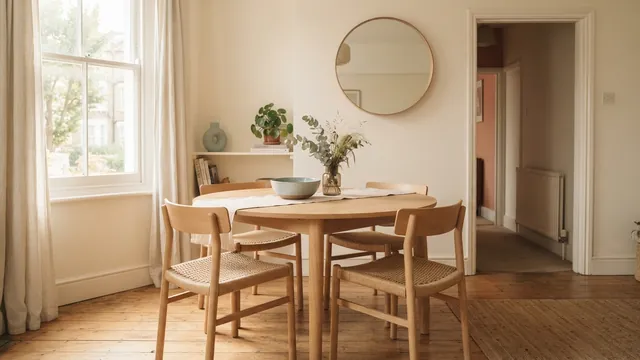
Dining Table Clearance — Space for Chairs and Walkways
Plan table and chair clearances for a dining area that feels comfortable.
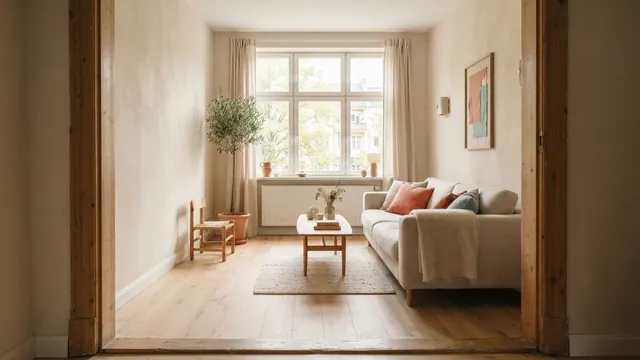
Narrow Rooms — Paint, Light and Space
Use paint, light and smart furniture placement to open up a narrow room.
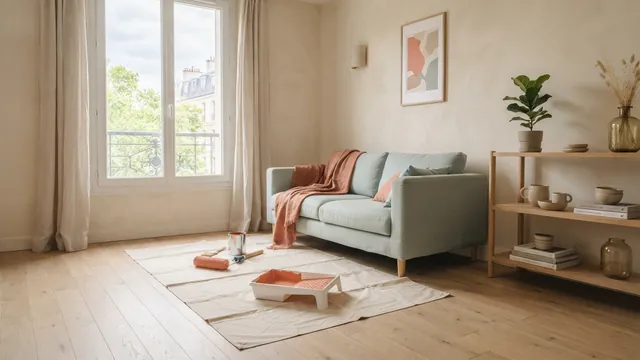
Room Painting Costs — What Shapes Your Quote
Room painting often costs $200–$1,000. See what drives the price and how to compare quotes.