How to Modernize Oak Kitchen Cabinets With Paint
Modernize oak cabinets with paint. Learn prep, primer, colors, and a no-sanding approach.
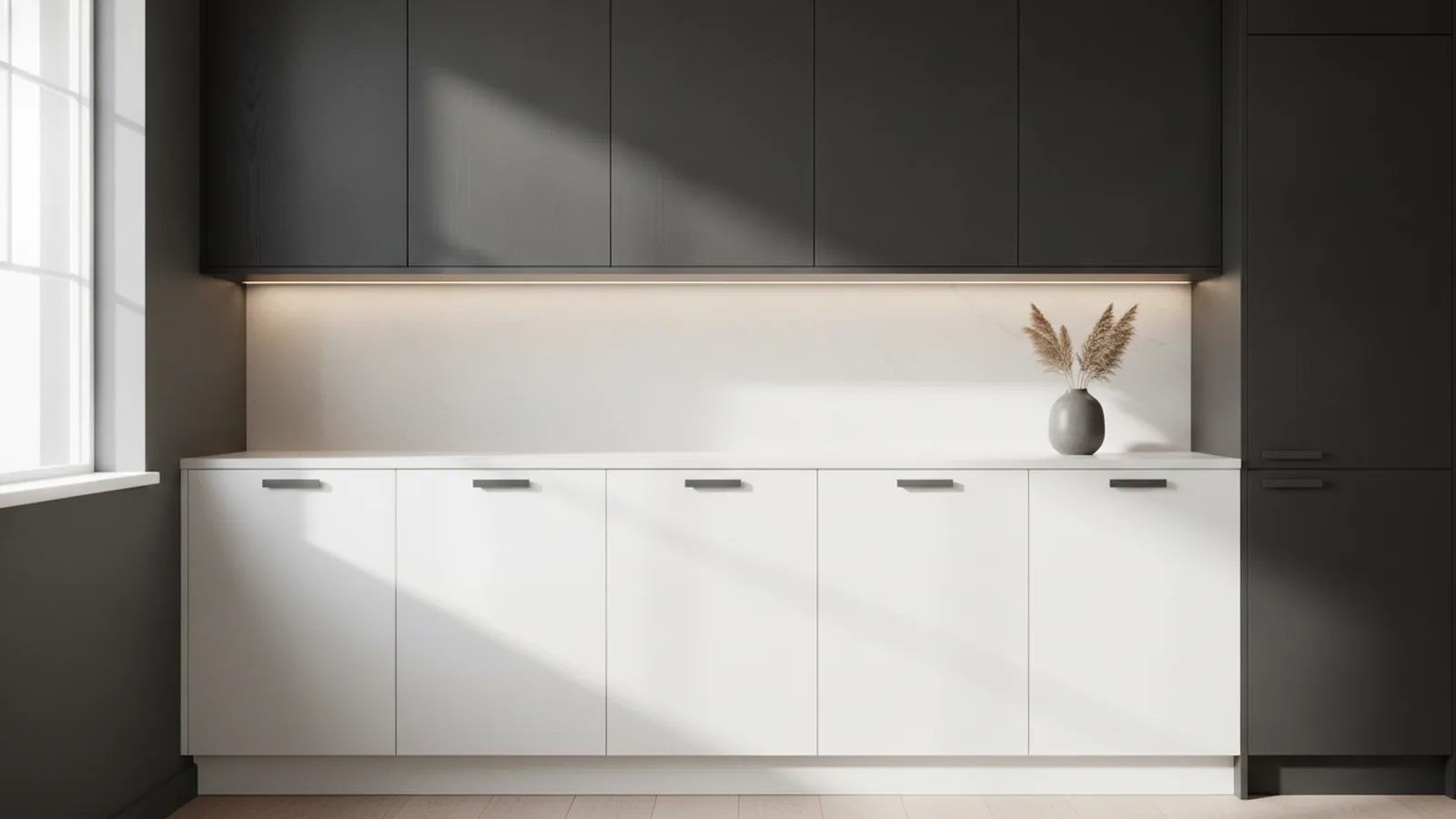
Introduction to modernizing oak cabinets
The fastest way to modernize oak kitchen cabinets is to clean them well, prime properly, then paint with the right finish. If you want a crisp, modern look, you can often skip a full sand-down and still get strong adhesion. The trick is understanding how oak behaves and planning for its grain, oils, and color variation. With the right prepping steps, your paint can look smooth and stay durable in a real kitchen.
Oak cabinets usually show warm tones, visible grain lines, and a slightly textured surface. That look can feel dated, but it also gives you depth if you choose the right color. When you change from stained oak to paint, the goal is to control grain visibility and prevent bleed-through. This is where primer choice and surface prep matter most.
This guide walks you through how to paint oak kitchen cabinets, including options for modern colors like black and white. You will also learn when can you paint oak kitchen cabinets without sanding, and when you should still do light scuffing. By the end, you will have a clear, step-by-step plan for can you paint oak kitchen cabinets over oak.
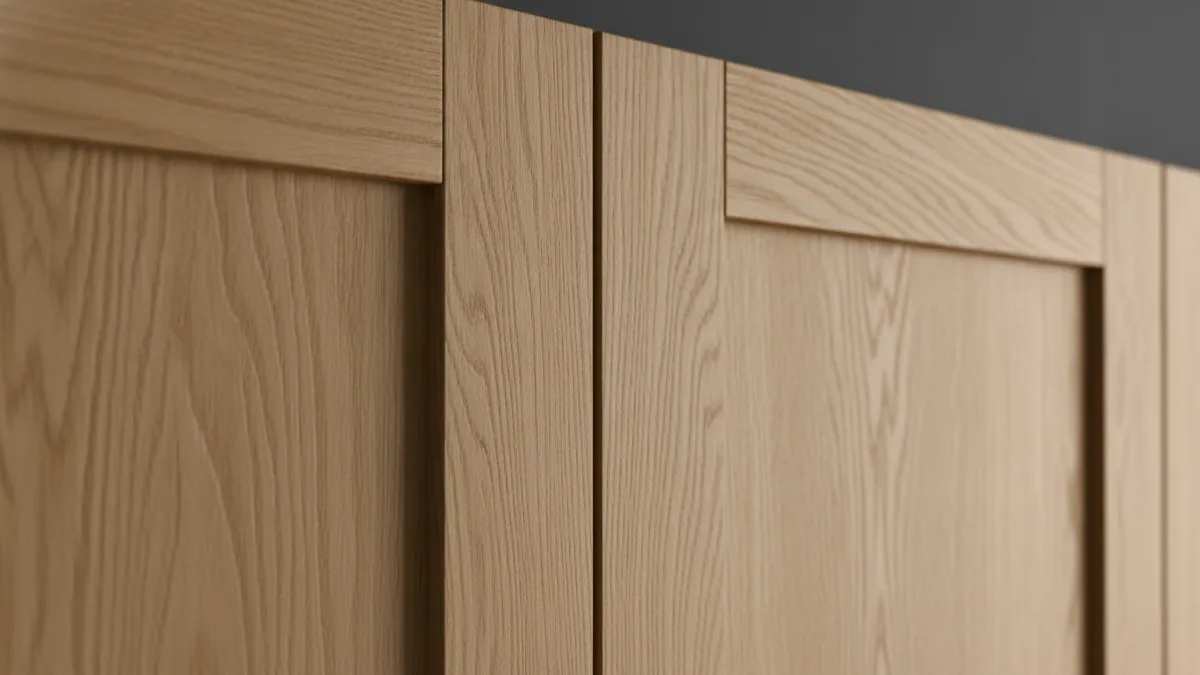
Why update oak kitchen cabinets instead of replacing them
Replacing oak cabinets is expensive, slow, and disruptive. Most kitchens lose weeks to demolition, shipping, and installation. Painting lets you modernize oak kitchen cabinets for a fraction of the cost and work on a tight timeline.
Refacing or replacement also changes cabinet layout, which may force plumbing and electrical adjustments. A paint refresh keeps your storage, door sizes, and workflow intact. If your box frames are solid, painting doors and boxes can deliver a big visual change without the rebuild.
There is also an eco angle. Keeping cabinets out of landfill reduces waste, especially when only surfaces need a makeover. For many homeowners doing home improvement DIY, it is the most practical “high impact” project.
- Budget-friendly: paint, primer, and new hardware often cost far less than replacement.
- Less downtime: you avoid demolition and full kitchen reset.
- Better control: you choose cabinet finishing techniques and color trends for kitchens.
- Flexible style: paint works with shaker, slab, and modern cabinet styles.
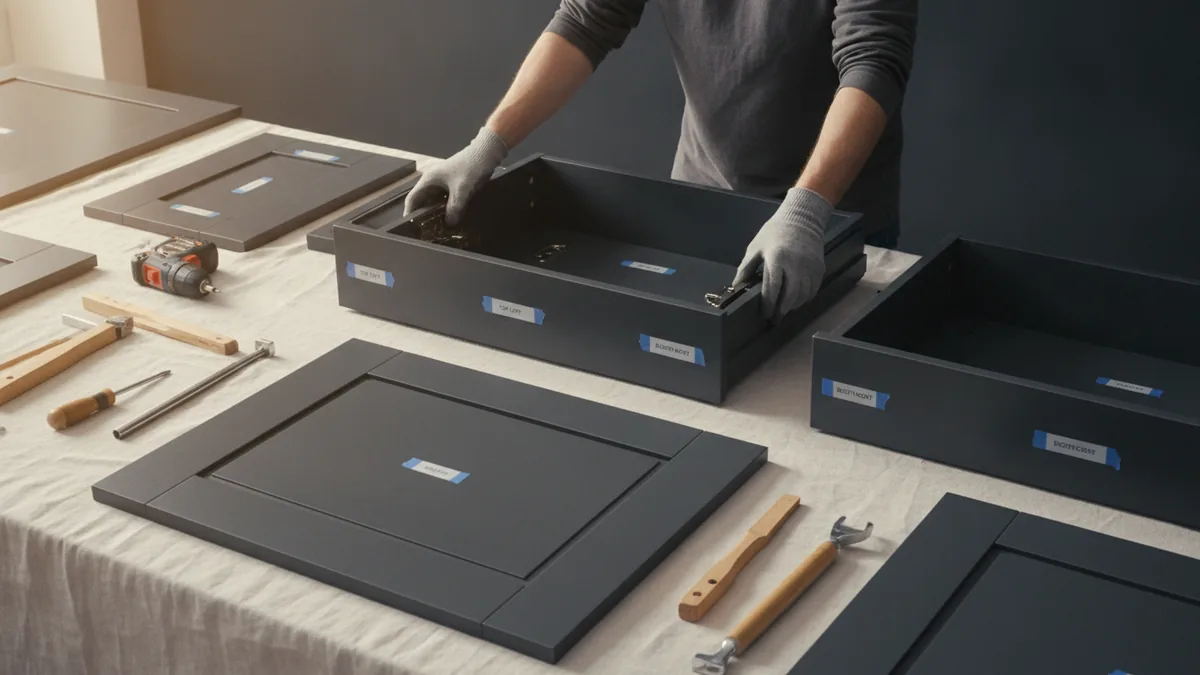
Painting oak cabinets: a step-by-step guide
Before you start how to paint oak kitchen cabinets, decide on a paint system. Many cabinet failures come from using general wall paint on wood cabinets. Cabinets need durable paint and a primer that locks down grain and oils. If you want a smooth finish, use a foam roller plus a quality brush for edges.
Start by removing doors, drawers, and hardware. Label each piece so you can reassemble in the exact same order. Clean all surfaces using a degreaser that is meant for kitchens. After cleaning, let everything dry fully so primer bonds to clean wood.
Next, prep the surface. Many people ask should i paint my oak kitchen cabinets without sanding. The answer depends on the sheen and how well the surface cleans. You can often get good results with no-sanding methods on properly deglossed, well-cleaned oak. If the cabinet has a thick glossy finish, you may still need light scuffing for adhesion.
Prep, prime, and paint workflow
- Degrease thoroughly: scrub doors, drawer fronts, frames, and inside edges.
- Rinse and dry: remove residue so primer does not fisheye.
- Light scuff if needed: dull shiny spots so the primer can grip.
- Apply primer: use a bonding primer made for wood and slick surfaces.
- Topcoat in thin layers: apply two to three coats with drying time between coats.
- Reinstall hardware: after paint cures, mount handles and pulls tightly.
When you are ready to apply primer, focus on even coverage across grain lines. Oak can “telegraph” through if primer coverage is spotty. Let primer dry until it is no longer tacky, then lightly smooth bumps if the product allows it. After that, paint in thin coats so you avoid runs and drips on door edges.
For drying, plan for airflow and stable room temperatures. Rushing between coats can trap moisture and cause a rough texture. A cabinet finish should level out, not stay pebbly, so coat thickness and patience both matter.
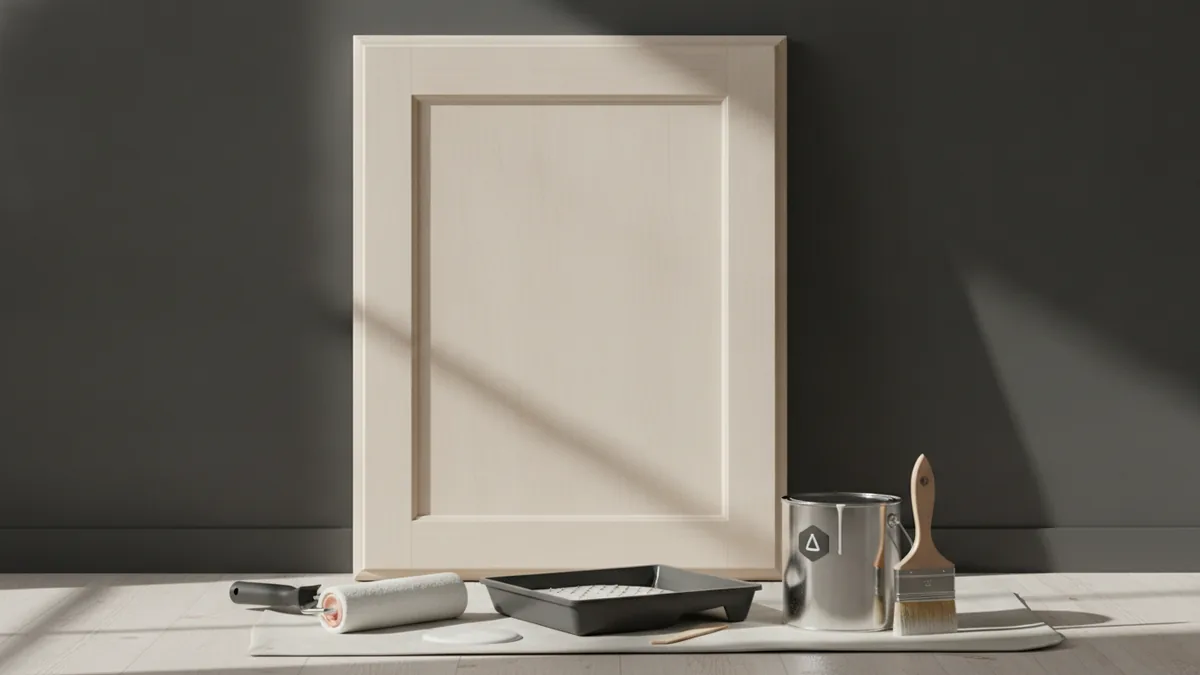
Choosing the right color for oak cabinets
Color choice drives the final feel of your kitchen cabinet styles. Oak naturally reads warm, so moving to cool, bright tones can make your kitchen look newer. On the other hand, deeper colors can turn oak’s grain into an intentional design feature.
Black is a popular modern look. It can make a kitchen feel bold and clean, but oak’s grain and undertones can show if prep is weak. White is another top choice because it brightens the space and pairs with many styles. Both colors require strong primer coverage to prevent uneven color.
Color options that modernize oak
- White cabinets: aim for a durable satin or semi-gloss that wipes clean.
- Black cabinets: choose a paint system that blocks tannin bleed-through.
- Greige or soft neutrals: balance warmth and modern contrast.
- Deep navy or charcoal: adds drama without going fully black.
If you are doing how to paint oak kitchen cabinets black, plan for color consistency. Dark paints can show roller marks and gaps more easily than light paint. Use a smooth application method and do careful inspection under angled light. Fixing small spots after the topcoat is dry is harder than spotting issues right away.
For how to paint oak kitchen cabinets white, watch for coverage problems caused by oak’s natural tone. You may need extra coats or a primer tinted closer to white. The goal is uniformity, especially on door panels and corners.
How to paint oak cabinets without sanding (and when it works)
Yes, you can use paint to modernize without sanding in many cases. The phrase how to paint oak kitchen cabinets without sanding usually means you skip full sanding and focus on deglossing and primer adhesion. This saves time, but you still need prep that matches the cabinet surface. Clean thoroughly, then test adhesion before you commit to the finish coats.
Look at the cabinet finish first. If the surface feels glossy or slick, you will likely need at least light scuffing with a fine abrasive pad. If the cabinets are already matte and have no thick clear coat, a no-sanding approach can work when you use a bonding primer.
Here are practical ways to prep without a full sanding session. These methods focus on prepping wooden surfaces for paint while minimizing mess. Always wear a mask and keep dust down.
- Degloss cleaner: use a deglosser product designed for shiny surfaces.
- Scuff pad only: dull the shine on edges and door faces.
- Spot adhesion test: prime a small area and check for peeling after drying.
- Primer choice: pick a bonding primer rated for cabinets and wood.
If you are unsure, start with a small test door. Paint one door section using your full system. Let it cure, then rub it gently and inspect for tackiness or rough texture. This test will tell you whether your prep method will last.
Common mistakes to avoid when you paint oak cabinets
The biggest mistake is skipping the right primer. If you do not use primer that blocks tannins and bonds to wood, you can get bleeding, uneven sheen, or peeling. Another frequent issue is cleaning with the wrong product. Kitchen grease is stubborn, and residue can cause fish eyes or uneven spreading.
Many people also rush coat times. When coats dry too fast or too early, the finish can trap solvent and turn rough. Applying thick coats is another common error, especially with dark colors. Thick paint increases the chance of runs on door edges and brush marks in panels.
Finally, failing to plan for cabinet hardware changes can hurt the look. If you will update handles and pulls, confirm spacing and choose hardware that matches your style. Cabinet hardware choices can make black and white cabinets look truly modern, or they can clash with the new finish.
| Mistake | What happens | How to avoid it |
|---|---|---|
| No proper primer | Grain bleed and poor adhesion | Use a bonding primer made for wood cabinets |
| Weak degreasing | Peeling or fisheyes | Use a kitchen-safe degreaser and rinse well |
| Thick coats | Drips, runs, uneven texture | Apply thin layers and inspect under angled light |
| Rushing cure time | Soft finish and scuffs | Follow dry and cure times before reinstalling |
If you are thinking about should i paint oak kitchen cabinets when they are heavily stained, consider test spots. Stains can release oils and tannins. The right primer reduces risk, but testing protects your time.
You might also wonder about how to paint oak bathroom cabinets. The same prep and primer logic applies because bathroom cabinets face moisture and heat cycles. Use the same cabinet finishing techniques, but pick a topcoat rated for damp areas.
Final touches and maintenance for a modern look
Once your paint system cures, reattach doors and drawers and install cabinet hardware choices. Choose handles and pulls that match the vibe you want. For modern kitchens, clean lines and solid finishes often look best against painted surfaces.
Before final assembly, check alignment. A new finish makes gaps more visible, especially with contrasting colors. If doors rub or sit unevenly, adjust hinges now so paint does not get scraped during use.
For maintenance, treat painted cabinets like a washable finish, not bare wood. Use a soft cloth and a gentle cleaner that does not leave residue. Avoid harsh abrasives that can dull black cabinets quickly. With care, a quality paint job can stay attractive for years.
- Clean gently: wipe with mild soap and water, then dry.
- Protect edges: be careful with heavy pots and trays near fronts.
- Use coasters and pads: reduce heat and moisture marks.
- Fix small chips early: touch up with the same paint system.
To keep the new look modern, also update your lighting and styling. Brighter task lighting makes painted textures look smooth. Simple decor choices help white and black cabinets feel intentional instead of “just painted.”
FAQ
Should I paint my oak kitchen cabinets instead of replacing them?
Usually yes if the cabinet boxes are solid and doors are not falling apart. Painting can update the look fast and cost less than full replacement. Replacement also changes layout, which can add time and expense.
Can you paint oak kitchen cabinets without sanding?
Often, yes. You can skip sanding if you degrease well, degloss where needed, and use a bonding primer. For glossy finishes, a light scuff may still be needed.
How do you paint oak kitchen cabinets black without bleed-through?
Use a primer that blocks tannins and bonds to wood. Apply even primer coverage, then use thin topcoats so the dark paint levels out. Inspect with angled light and apply extra coats if needed.
How do you paint oak kitchen cabinets white for a smooth finish?
Degrease and prime evenly, then apply thin topcoats in a smooth pattern. White paints show coverage gaps, so watch panel corners and edges closely. If the primer is close to the final color, you may need fewer coats.
Is it possible to paint over oak kitchen cabinets with existing stain?
Yes, but the surface must be cleaned and primed correctly. Stains can bleed tannins, so primer choice is key. Do a test door before painting the whole kitchen.
How does painting oak bathroom cabinets differ from kitchen cabinets?
Bathrooms face more moisture and frequent temperature swings. Use a topcoat rated for wet areas and allow full cure time before heavy use. Prep and priming steps still matter most.
Frequently asked questions
- Should I paint my oak kitchen cabinets or replace them?
- Paint them if the cabinet boxes are solid and doors are stable. Replacement is expensive and disruptive, while paint can refresh the look quickly.
- Can you paint oak kitchen cabinets without sanding?
- Often yes, if you degrease well, degloss glossy areas, and use a bonding primer. If the surface is slick, you may still need light scuffing.
- How do you paint oak kitchen cabinets black without bleed-through?
- Use a primer made to block tannins and bond to wood. Then apply thin, even topcoats and inspect for gaps under angled light.
- How do you paint oak kitchen cabinets white for a clean finish?
- Prime evenly, then apply multiple thin coats to avoid coverage spots. White finishes show uneven coverage on panels and corners.
- Can you paint over oak kitchen cabinets with existing stain?
- Yes, but you must prime correctly to prevent tannin bleed and peeling. Do a test door first if you are unsure about adhesion.
- Does painting oak bathroom cabinets follow the same steps?
- Yes for prep and priming, but choose a topcoat rated for bathroom use. Let everything cure fully before heavy daily use.
Related reading
Couch Placement—Flow, Focus and Comfort
Place your couch to frame a focal point, keep paths clear, and make the room feel balanced.
Master Bedroom — Color, Comfort and Personal Style
Build a calm, personal bedroom with smart choices and a budget that works.
Room Painting Labor Costs — Rates and Budget Factors
See typical room-painting labor rates and learn what drives the final price.