Flooring Colors and Layouts That Make Rooms Look Larger
Find the best flooring colors, layouts, and furniture pairings for a larger-looking room.
How Flooring Color Changes Room Size
If you wonder what color flooring makes a room look larger, start with pale, warm shades. Cream, soft beige, and whitewashed wood reflect more daylight than deep brown or black floors. That extra light can make walls seem farther apart.
Floor color affects space perception through light, contrast, and visual flow. A pale floor blends with bright walls and creates a calm, open base. It does not add square footage, but it can change how the room feels.
Finish matters as much as color. A satin or low-sheen surface can bounce light without showing every mark. Very glossy floors may create glare, while rough dark finishes can absorb light.
Test samples in the room before you buy. Check them in morning light, afternoon light, and lamp light. The same floor can look cream in one room and gray in another.
Best Flooring Colors for a Larger Look
Light flooring is the safest choice for a small room. Cream oak, pale maple, blond wood, and whitewashed boards can draw natural light across the floor. These color choices for flooring work well with white, sand, and soft gray walls.
Warm pale tones often feel more welcoming than stark white. They also hide dust better than very dark floors. Choose a shade with low contrast against your walls for the most seamless effect.
Dark flooring can still work in a small room. Espresso, walnut, and charcoal floors add depth and create an inviting mood. They do not have to make the room feel cramped when the walls, ceiling, and window coverings stay light.
Use dark floors with care. Keep the room well lit, then add a pale rug to break up the dark area. Light furniture and clear walking paths can balance the stronger floor color.
| Floor color | Best effect | Helpful pairing |
|---|---|---|
| Cream or whitewashed wood | Bright and open | Warm white walls |
| Blond or pale oak | Light with natural warmth | Soft green or beige |
| Medium honey wood | Balanced and friendly | Light walls and rugs |
| Walnut or charcoal | Deep and inviting | Bright walls and pale furniture |
Flooring Layout Tricks That Add Space
Floor color is only one part of the plan. The direction, width, and pattern of each board also guide the eye. Simple layouts usually make a room feel calmer and less busy.
Install wood boards parallel to the longest wall. The long lines then lead the eye through the room. This can visually elongate a narrow space and make its shape feel more balanced.
Wide planks can also make a room feel more open. Boards that are at least 7 inches wide create fewer seams than narrow strips. Fewer lines mean less visual clutter across the floor.
Large tiles help in compact rooms too. Choose tiles that measure at least 12 inches on one side when the room and tile shape allow it. Larger tiles use fewer grout lines, which helps the floor read as one broad surface.
Match the layout to the room shape. Run boards lengthwise in a long hall. In a square room, follow the strongest sightline from the doorway. Avoid busy diagonal patterns if your main goal is a spacious look.
- Run boards along the room's longest sightline.
- Pick wide planks to cut down on seams.
- Use tiles of at least 12 inches in small rooms.
- Keep grout close to the tile color.
- Limit sharp patterns in narrow spaces.
Use One Floor to Improve Room Flow
Using the same flooring through nearby rooms can create a seamless flow. The eye moves from one space to the next without a hard visual stop. This makes the home feel more unified and can make each room seem larger.
This approach works well in open plans, halls, kitchens, and living rooms. Keep the plank direction consistent where possible. Use slim transition strips only where they solve a real fit or height issue.
Choose one floor with a finish that suits each space. Engineered wood may work across living areas, while tile may suit a wet room. If you need a change, keep the new floor close in tone and use a clean boundary.
Room flow does not mean every room must look the same. You can change wall paint, rugs, and furniture while the floor stays steady. That shared base links the spaces without making the design dull.
Furniture Colors That Support an Open Feel
Furniture color can strengthen or weaken the effect of your floor. Pale furniture often makes a room look bigger because it takes up less visual weight. White, oatmeal, light gray, and pale wood are useful choices.
What color furniture makes a room look larger? Choose colors close to the walls or floor for large pieces. A light sofa against a pale wall can blend into the room. This reduces strong blocks that break up the view.
You can have different color furniture in a room. Keep the tones within one family, then add one deeper accent. For example, pair a cream sofa with a tan chair and a muted blue stool.
Dark furniture can still look good with light flooring. Use one or two dark pieces as anchors, not as the main color across the room. Leave space around them so the floor remains visible.
- Use pale or mid-tone pieces for sofas and cabinets.
- Keep large furniture close to the wall color.
- Mix different furniture colors within one warm or cool family.
- Use dark accents in small amounts.
- Choose furniture with raised legs when possible.
More Interior Design Tips for a Spacious Room
Clear sightlines help your flooring colors do their work. Keep the path from the door to the window open. Move tall storage to a side wall instead of placing it near the room's center.
Use rugs with care. A large rug can group furniture and add comfort, but a small rug may chop up the floor. Pick one that reaches under the front legs of the main seating pieces.
Light walls and a light ceiling can lift the whole room. Paint trim in a shade close to the walls for softer edges. Hang curtains near the ceiling, then let them fall close to the floor.
Mirrors can spread daylight and widen a narrow view. Place one across from a window or beside a light source. Keep reflective pieces simple so they do not add visual noise.
Lighting still matters after sunset. Combine ceiling light with a floor lamp and a table lamp. Even light across the floor keeps dark corners from making the room feel smaller.
Final Guide to Flooring Colors and Room Size
Light floors are the clearest answer when you want a room to look larger. Cream, pale oak, and whitewashed wood reflect light and soften the room's edges. Low contrast with the walls creates the strongest open effect.
Dark floors can add depth and warmth when the rest of the room stays bright. Layout choices matter too. Run boards along the longest wall, choose wide planks, and use large tiles with fewer grout lines.
For the best result, plan the floor with the full room. Match furniture colors, wall tones, rugs, and light levels. A steady floor through nearby rooms can then make the whole home feel bigger.
Frequently asked questions
- What color flooring makes a room look larger?
- Cream, pale oak, blond wood, and whitewashed flooring can make a room feel larger. They reflect light and create less visual contrast.
- Can dark flooring make a small room feel bigger?
- Yes. Dark flooring can add depth and warmth without making a room feel cramped. Pair it with light walls, good lighting, and pale furniture.
- Which way should flooring run to make a room look larger?
- Run boards parallel to the longest wall. This guides the eye along the room and can make it look longer.
- Do wide planks or large tiles make a room look bigger?
- Wide planks reduce seams and make the floor look less busy. Tiles of at least 12 inches can have a similar effect in small rooms.
- Can you have different color furniture in a room?
- Yes. Different furniture colors can work well together when they share a warm or cool tone. Keep large pieces light and use dark colors as accents.
- What color furniture makes a room look larger?
- Light furniture in white, cream, oatmeal, or pale gray often makes a room look larger. Matching large pieces to the walls can reduce visual weight.
Related reading
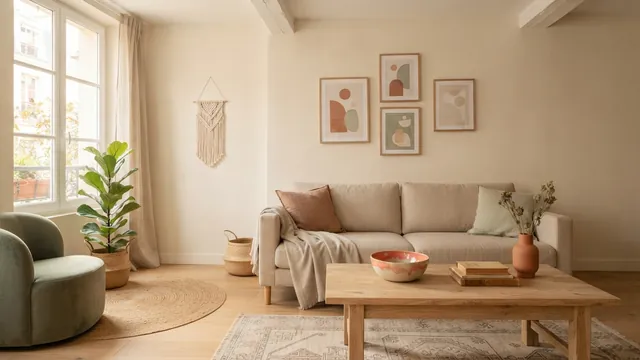
Furnishing a New House — Spend Wisely, Settle In
Plan your budget, buy the essentials first, and make each room feel like home.
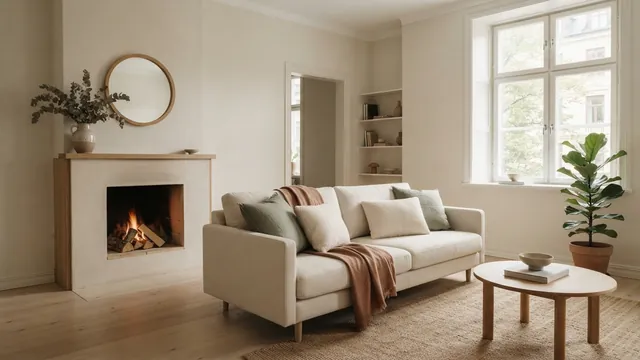
Couch Placement — Comfort, Flow, and Style
Arrange couches for easy movement, good conversation, and a balanced room.
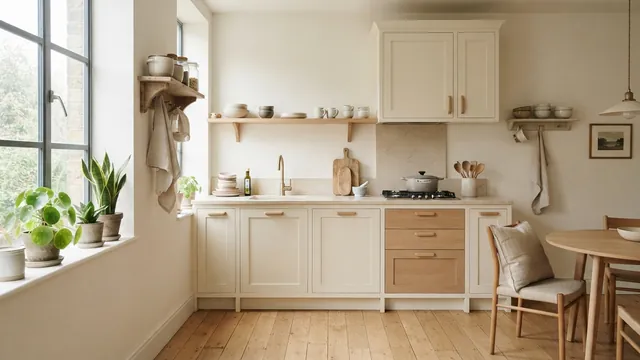
Small Kitchen Design — Light, Space and Smart Storage
Use light, smart storage, and slim furnishings to make a small kitchen feel more open.