How to Decorate a White Kitchen for Warmth and Personality
Warm up an all-white kitchen with wood, metal accents, tiles, textiles, and layered lighting.
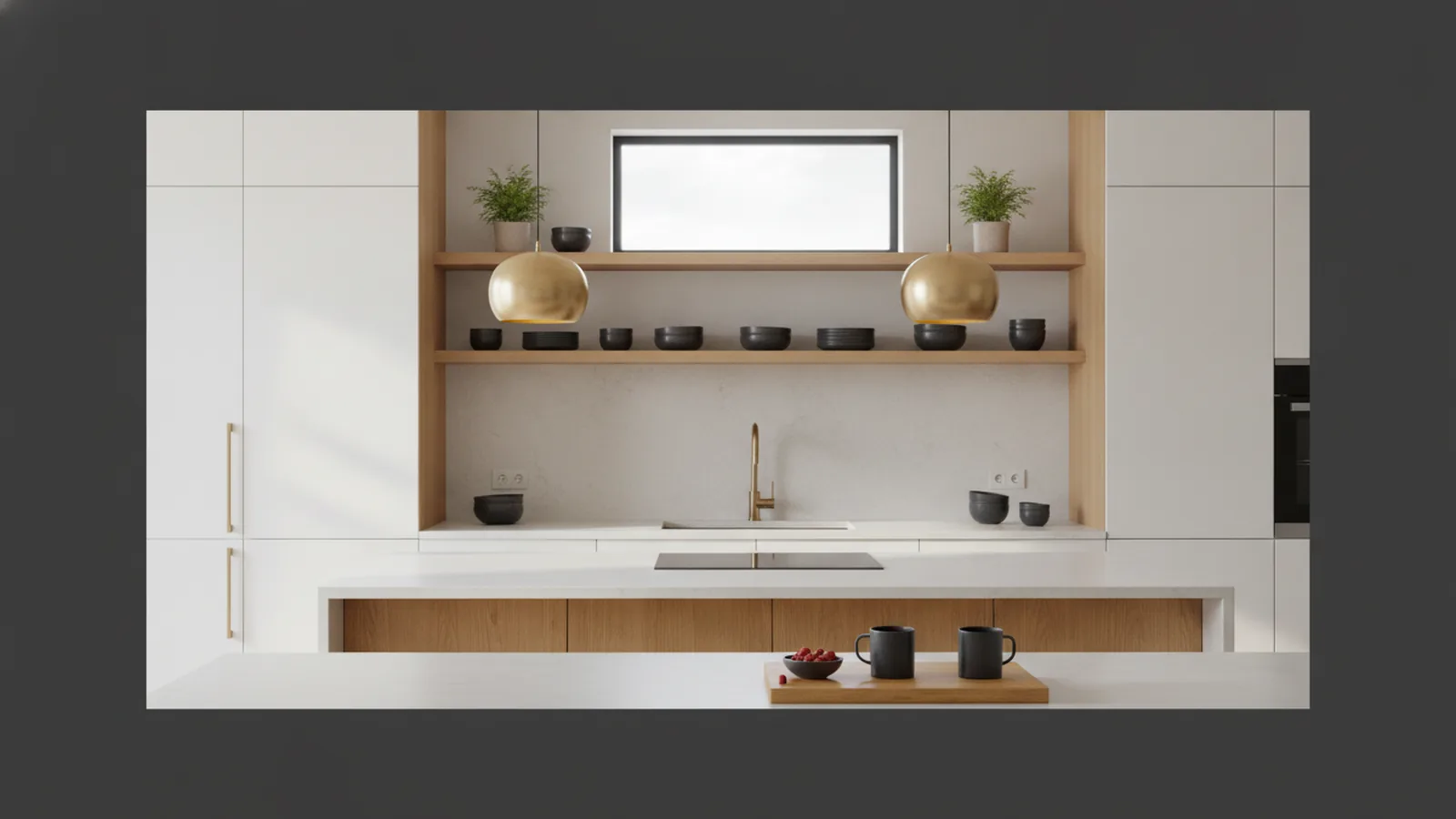
Understanding why white kitchens feel timeless and inviting
If you want a kitchen that feels fresh but never trendy, start with white. It reflects light well and makes small spaces feel bigger. That versatility is the real superpower of white kitchen design ideas.
The key is learning how to decorate a white kitchen without turning it into a blank showroom. White works like a canvas. Your job is to add warmth, texture, and personal choices that read clearly from across the room.
Think in layers. Start with your kitchen color palette in mind, then add contrast in small, intentional places. You will usually get the best results when you combine warm materials, a varied backsplash, and a few meaningful accessories.
- Use white surfaces as the background, not the only finish.
- Add warmth through wood, metals, and textured surfaces.
- Create contrast with color in dishes, art, or tile.
Using color accents to warm up an all-white kitchen
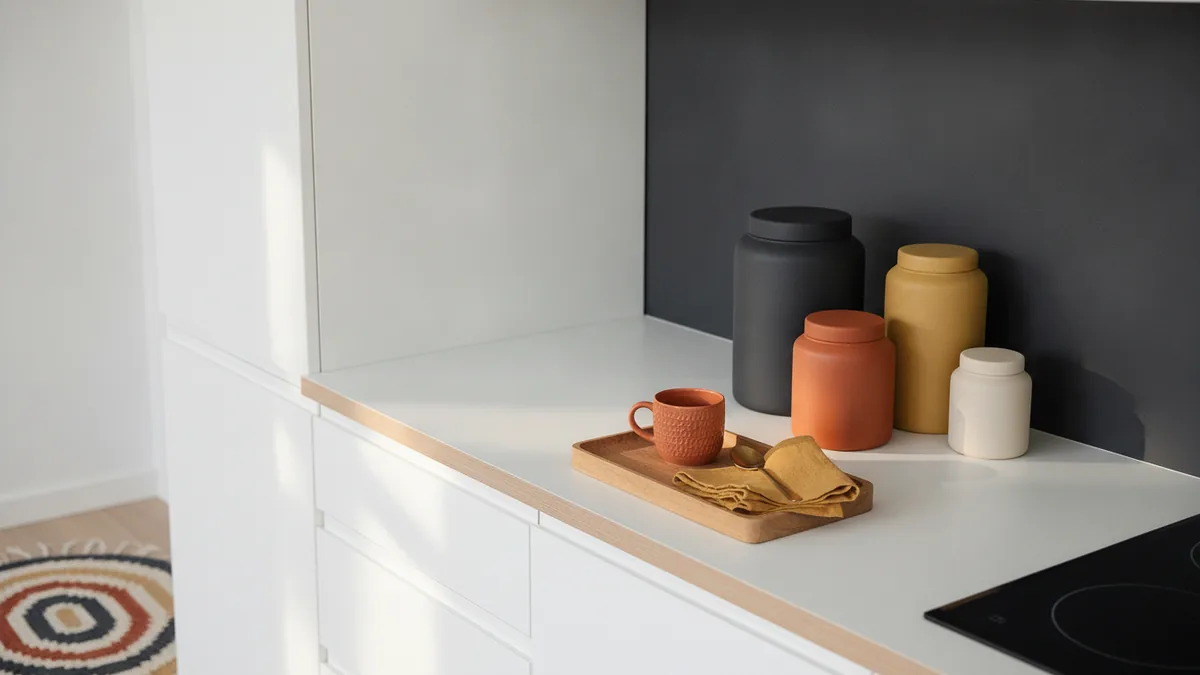
When people ask how to decorate an all white kitchen, they often worry it will feel cold. The fix is to pick a color palette that looks cohesive from morning light to evening lamps. Aim for two main accent colors plus one “neutral warmth” tone.
For example, pair soft sage with warm brass, then anchor everything with light oak. Or choose terracotta and cream with blackened iron accents. Keep the colors consistent in multiple places so the room feels planned, not random.
You can introduce color in places that are easy to change. Try a patterned rug, a set of colorful canisters, or a tray on the counter. Even small shifts can help you find a style you truly like.
- Pick one calming accent (sage, powder blue, or dusty rose).
- Add one richer accent (terracotta, olive, or navy).
- Repeat both tones 3–5 times around the kitchen.
- Keep cabinets and walls white to preserve the airy feel.
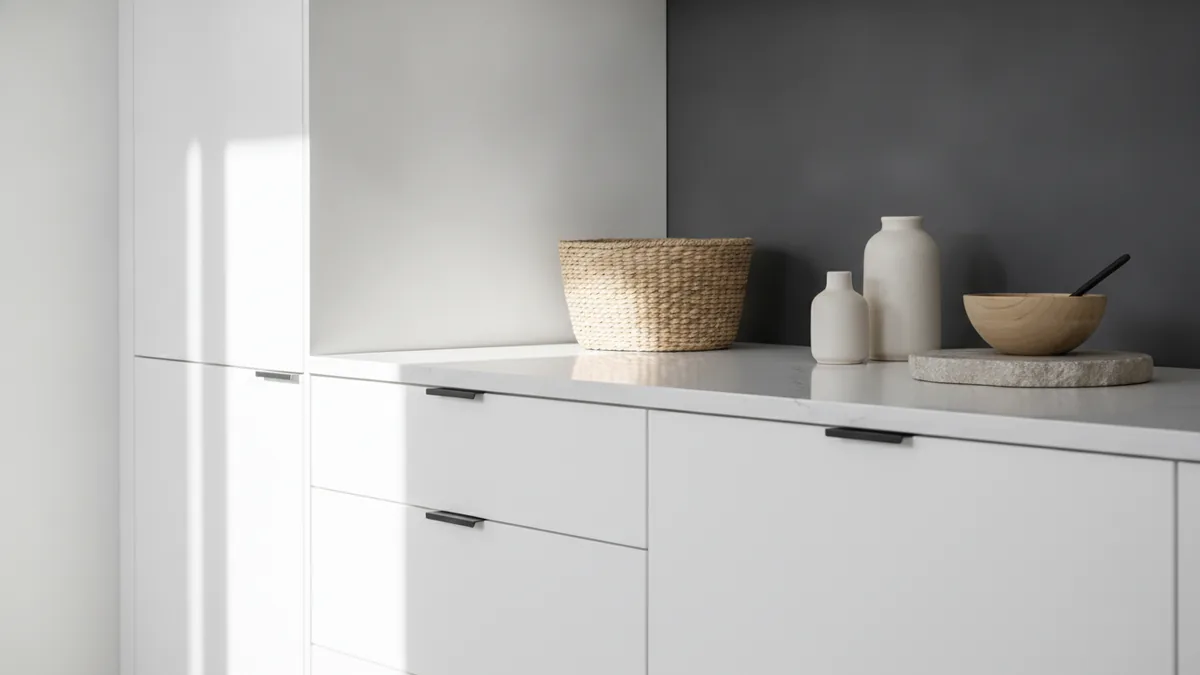
Also consider contrast in design. A little dark detail helps white look intentional. Try black hardware, a charcoal faucet, or matte stone countertops.
Incorporating natural materials for warmth and texture
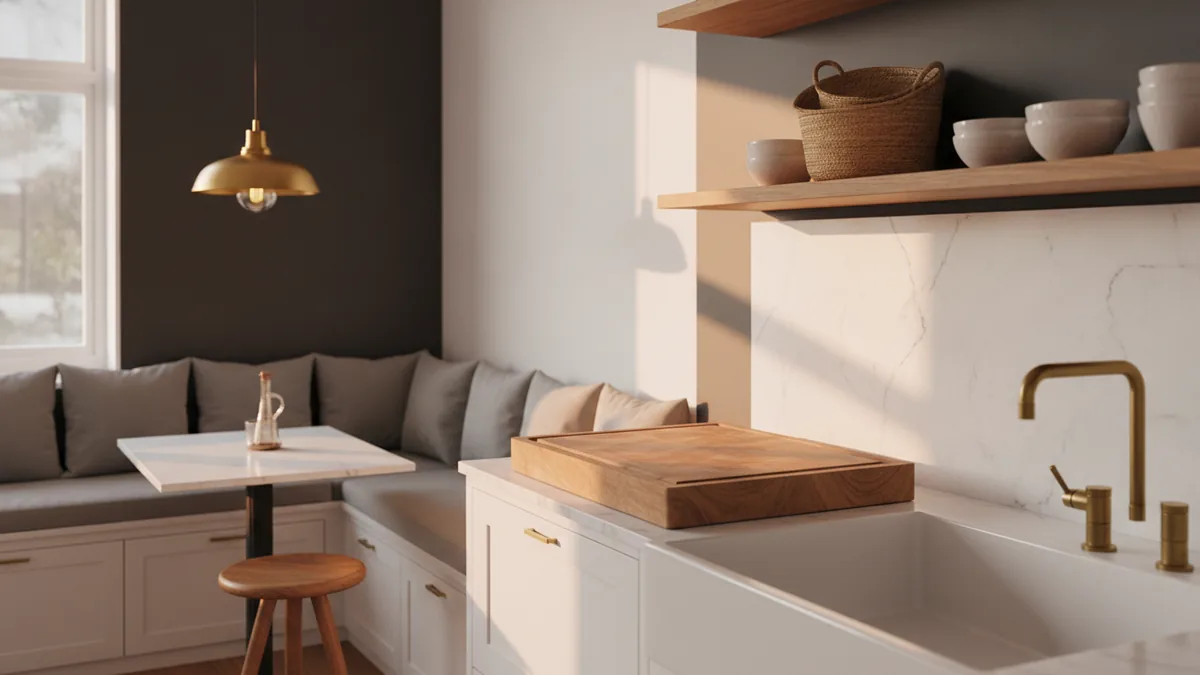
White kitchens feel cozy when you bring in warm materials. Wood is the easiest win for ways to enhance a white kitchen. Add it where your eye naturally rests: open shelves, floating ledges, or a butcher-block section.
You do not need to redo cabinetry to get wood warmth. Swapping a cabinet hardware finish or choosing wood-toned bar stools can shift the whole mood. If you are planning upgrades, consider a light oak or walnut tone for contrast without going too dark.
Natural texture is just as important as the color. Look for grainy finishes, woven baskets, and stone-like surfaces. Textural elements help prevent the all-white aesthetic from flattening visually.
- Use light oak for shelves, cutting boards, and ceiling-height beams.
- Add woven storage for produce, napkins, or pantry items.
- Choose stone or concrete-inspired counters for depth.
- Pick warm metal tones for hardware and fixtures.
Warm metals matter. Brass and copper introduce a welcoming glow, especially under warmer bulbs. They also create subtle color variation that helps white feel lived-in.
Adding softness with textiles and meaningful artwork
Textiles are where you can get personal quickly. If you are figuring out decorating tips for white kitchens, focus on softness first. A rug under the sink zone or near the eating spot adds comfort and warmth underfoot.
Window treatments also change the vibe. Choose linen curtains, simple roman shades, or textured roller shades. White kitchen walls make fabric color look brighter, so start with samples before you commit.
Artwork is another lever. Select pieces that match your kitchen color palette and repeat your accent colors. A framed print above a coffee station or a small gallery shelf near the dining nook can make the space feel tailored.
When selecting textiles, consider texture scale. Use larger woven textures for big areas and smaller patterns for narrow spaces. This keeps the room from feeling too busy.
| Textile or decor | What it adds | Best color choices |
|---|---|---|
| Area rug | Comfort and warmth | Ivory with sage, terracotta, or navy accents |
| Kitchen towels | Everyday color | Muted stripes or solid tones matching your accents |
| Window treatments | Soft light and privacy | Linen white, warm cream, or soft olive |
| Artwork | Personal story and contrast | One accent color repeated in the frame |
This is also a good time to style with contrast in design. If the kitchen is bright and crisp, choose warmer, softer fabrics. If your kitchen already leans warm, add a cooler accent like blue to balance.
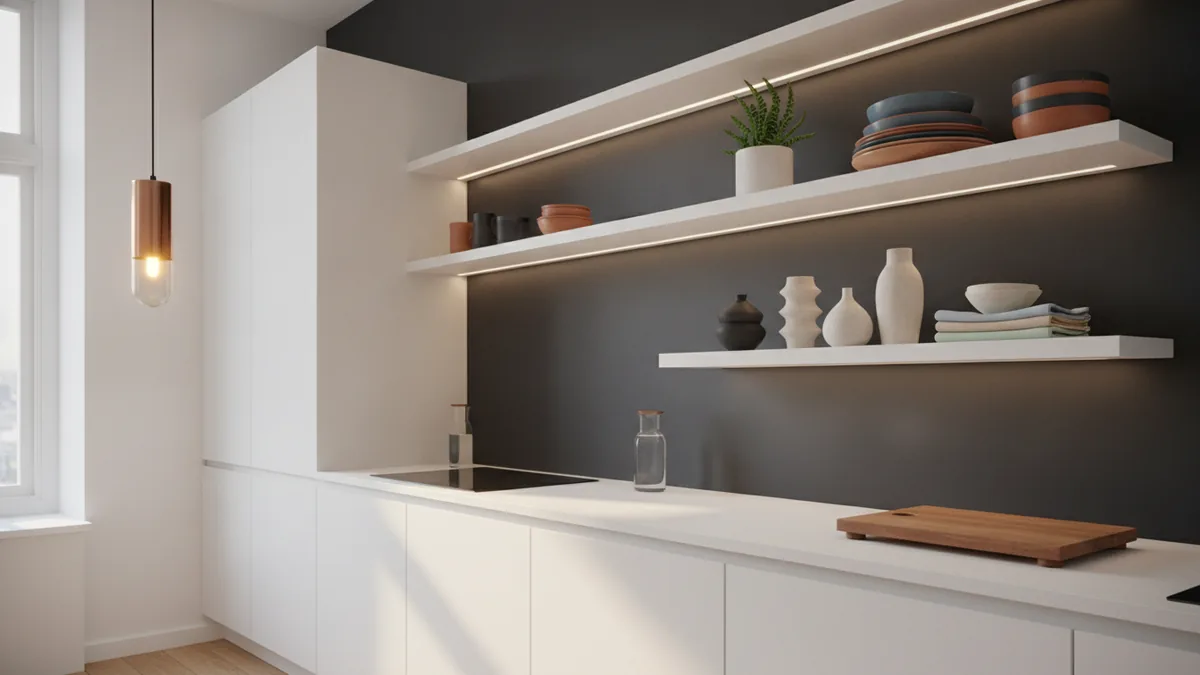
Layering lighting and styling open shelving for a lived-in look
Lighting is often the difference between “pretty” and “welcoming.” To make white look warm, layering lighting for warmth should start with bulb temperature. Aim for warm-white bulbs in the kitchen, then add task lights for work zones.
Use at least three lighting types. A ceiling fixture handles general light. Under-cabinet lighting improves visibility for prep. Then add a softer layer with pendants, a dimmable spotlight, or a small countertop lamp.
For a practical approach, match lighting to how you cook. If you chop often, place task lighting where your hands move. If you host or eat in the kitchen, make sure the dining spot has a warmer glow.
Now pair lighting with open shelving. Open shelving can show your taste, but it needs styling rules. Use it like a display shelf, not a junk drawer. Choose a few repeating pieces, then add colorful dishes, plants, and decorative items for personalization.
- Group items in sets of 3 or 5 for a balanced look.
- Mix glass and ceramic to vary shine and color.
- Keep most shelves 40–60% open for breathing room.
- Add one plant or dried arrangement per shelf run.
If you want visual interest, consider a warm or varied backsplash. Handmade tiles, subtle speckling, or a gentle color shift can add depth without taking over. That backsplash becomes the “bridge” between the bright white cabinets and the warm materials you add elsewhere.
Finally, step back and check contrast from different angles. White can disappear under one light and pop under another. A quick evening test with lights on helps you confirm your choices before they feel set in stone.
Quick checklist: a simple way to plan your white kitchen decor
Use this mini plan when you are building your look from scratch. It keeps decisions clear and helps you avoid random purchases that do not work together. This is especially helpful for anyone learning how to decorate a white room without painting, since you can change the feel with decor.
- Base: keep walls and most cabinetry white for light and balance.
- Warmth: add wood accents and warm metal finishes.
- Depth: choose a warm or varied backsplash with texture.
- Softness: use textiles like rug, cushions, or window treatments.
- Focus: style open shelving with color dishes and plants.
- Mood: layer lighting with warm bulbs and task coverage.
When you combine these elements, the kitchen stops feeling like a blank palette. It becomes a space that looks bright, but also feels personal and lived-in.
Frequently asked questions
- How do I decorate a white kitchen so it doesn’t feel cold?
- Add warm materials like wood and brass, then include textiles such as rugs or linen curtains. A varied backsplash and layered lighting also make white feel cozy.
- What are easy ways to enhance a white kitchen without repainting?
- Swap hardware finishes, update the backsplash tile if you can, and add decor like rugs and colorful dishes. Open shelving styling and window treatments also create a big change.
- How do I decorate an all-white kitchen with color?
- Choose a small kitchen color palette with two accent colors and repeat them in 3–5 places. Start with items that are easy to replace, like canisters, towels, and art frames.
- What backsplash colors work best with white cabinets?
- Look for warm or varied options such as handmade tiles with subtle speckling or gentle earth tones. Texture and slight color variation add depth without overwhelming the space.
- How should I style open shelving in a white kitchen?
- Group items in sets and keep shelves 40–60% open. Mix dishes, add a plant, and repeat accent colors so it feels curated.
- What lighting temperatures make white kitchens look warmer?
- Use warm-white bulbs and combine ceiling light with under-cabinet task lights. Add a dimmable pendant or soft lamp to create evening ambiance.
Related reading
Couch Placement—Flow, Focus and Comfort
Place your couch to frame a focal point, keep paths clear, and make the room feel balanced.
Master Bedroom — Color, Comfort and Personal Style
Build a calm, personal bedroom with smart choices and a budget that works.
Room Painting Labor Costs — Rates and Budget Factors
See typical room-painting labor rates and learn what drives the final price.