How Much Does a Small Bathroom Remodel Cost?
Plan a small bathroom remodel with clear costs, scope, and smart budget tips.
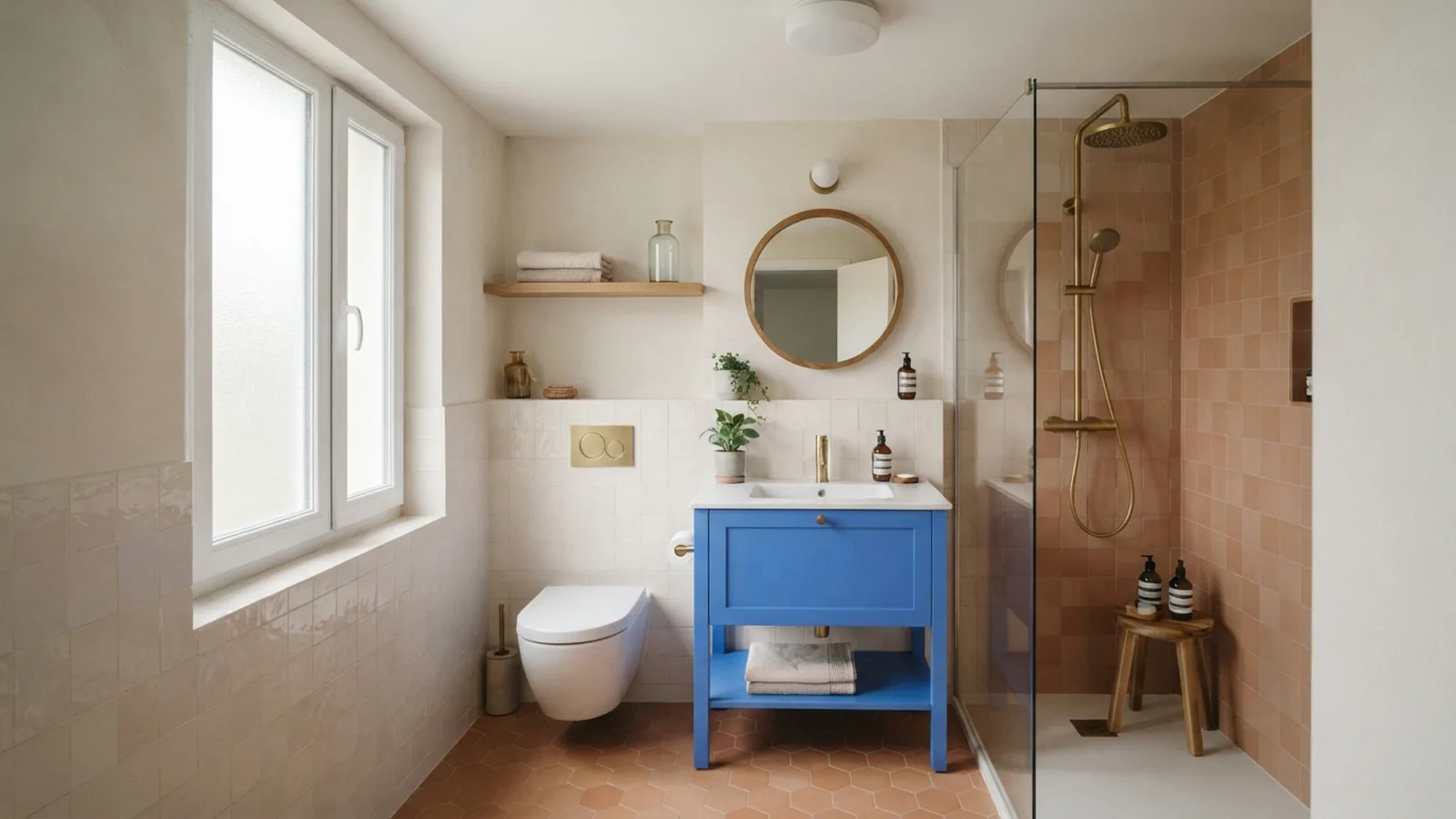
Understanding Small Bathroom Remodel Costs
How much does a small bathroom remodel cost? The national average is about $6,500. Most projects fall between $2,000 and $15,000.
Your final bill depends on the work you plan to do. A light refresh may cost $2,000 to $5,000. A full gut remodel can reach $15,000 or more.
A small room does not always mean a small bill. Bathrooms need skilled work in tight spaces. Plumbing, wiring, tile, and waterproofing can raise the price fast.
For a useful starting budget, measure the room and list each planned task. Then add a 10% to 20% reserve for hidden problems.
What Drives the Price of a Bathroom Remodel?
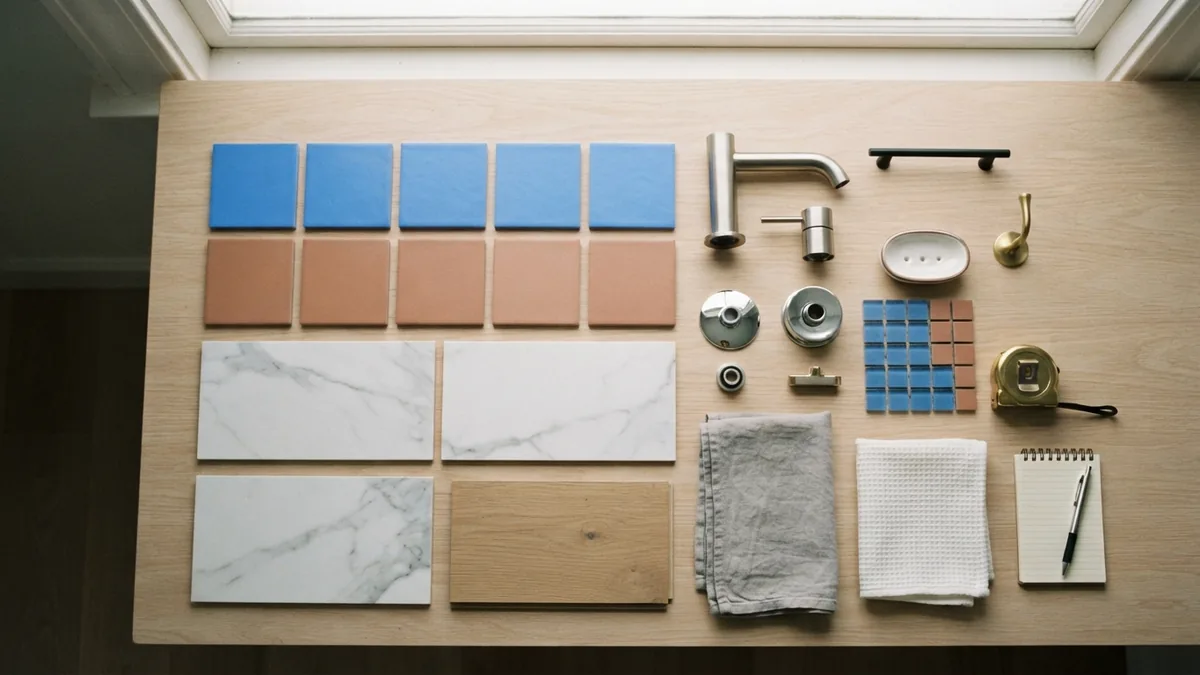
The project scope has the largest effect on cost. Cosmetic updates keep most parts in place. A full gut remodel removes floors, walls, fixtures, and sometimes the ceiling.
Keeping the current layout can save thousands of dollars. Moving a toilet, sink, or shower means moving pipes. It may also require new wiring and floor repairs.
Material choices also shape the budget. Stock vanities and ceramic tile cost less than custom cabinets and stone tile. High-end faucets add cost without always adding better use.
- Room size and access for workers
- Plumbing and electrical changes
- Tile type, pattern, and installation method
- Fixture quality and brand
- Permit needs and local building rules
- Water damage, mold, or weak subfloors
Cost Breakdown by Project Scope
A cosmetic remodel often includes paint, new hardware, a mirror, and updated lights. It may also include a new vanity or toilet. This scope often costs $2,000 to $5,000.
A midrange remodel may add new flooring, a tiled shower, and better fixtures. It often costs $5,000 to $10,000. The room keeps its basic layout.
A full remodel can include demolition, new plumbing, new wiring, custom storage, and premium finishes. Costs often range from $10,000 to $15,000 or more.
| Project scope | Typical cost range | Common work |
|---|---|---|
| Cosmetic refresh | $2,000–$5,000 | Paint, hardware, mirror, lights, small fixture swaps |
| Midrange update | $5,000–$10,000 | New vanity, flooring, shower tile, and fixtures |
| Full gut remodel | $10,000–$15,000+ | Demolition, layout changes, new systems, and premium finishes |
These ranges are planning figures, not fixed quotes. Your room may need more work behind the walls. Local labor prices can also shift the final cost.
Regional Price Differences
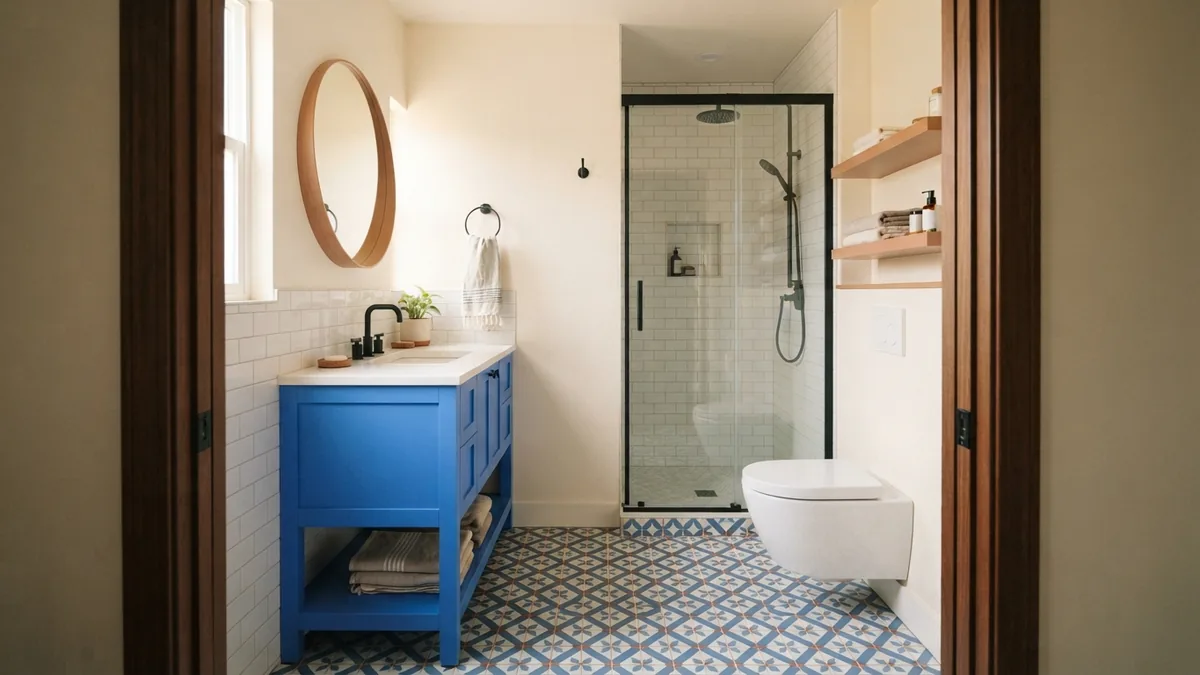
Remodel prices vary by region. Large cities often have higher labor rates and permit fees. Rural areas may have lower rates but fewer skilled crews.
Travel time can affect quotes in smaller markets. Busy building seasons can raise labor prices in any area. Ask contractors to list labor, materials, permits, and disposal fees.
Get at least three written estimates for the same scope. Each quote should name the exact products and tasks. This makes price comparisons much easier.
Do not choose a bid based on price alone. A very low quote may leave out waterproofing, cleanup, or needed repairs.
How to Build a Realistic Remodel Budget
Start with a must-have list. Include safe wiring, sound plumbing, good waterproofing, and working ventilation. Add style upgrades only after those needs fit the budget.
Keep the existing layout when possible. This choice limits pipe work and protects the floor from extra cuts. It also shortens the work time in many cases.
- Set your maximum spending limit.
- Choose the project scope before shopping.
- Price fixtures and finishes by exact model.
- Get three bids from licensed contractors.
- Set aside 10% to 20% for surprise costs.
- Approve changes in writing before work begins.
Use the contingency fund for real surprises. Water damage, mold, and weak subfloors can appear after demolition. Do not spend this reserve on upgrades before the job starts.
Small savings can add up. Keep the tub if it works well. Refinish it instead of replacing it. Choose standard tile sizes to reduce cuts and waste.
Labor Costs and Contractor Choices
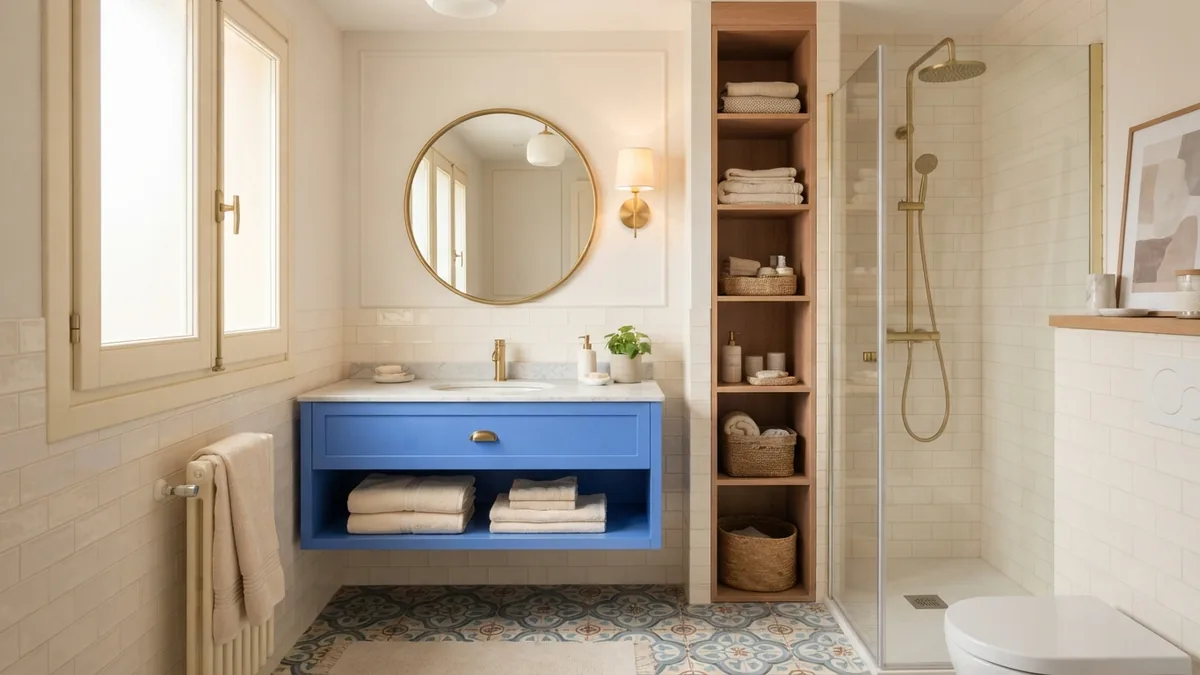
Labor often makes up 40% to 60% of a bathroom remodel. Rates vary by region, trade, and job size. Tight rooms can take longer because workers have less space.
A contractor may hire plumbers, electricians, tile setters, and painters. Each trade adds time and scheduling needs. A general contractor can manage this work, but that service adds a fee.
Ask how the contractor handles permits and inspections. Confirm who removes debris and protects nearby rooms. These details can prevent surprise charges.
Check proof of insurance and recent references. Read the contract before paying a deposit. The contract should show the scope, payment plan, start date, and change rules.
Choosing Materials Without Losing Control
Set a price limit for each major item. Include the vanity, toilet, sink, faucet, shower parts, tile, lighting, and fan. Small items such as trim and towel bars still affect the total.
Basic materials can look clean and last well. Porcelain or ceramic tile offers many styles at a fair price. Stock vanities often cost less than custom units.
Spend more where replacement would be hard. A quiet exhaust fan and a strong shower valve may offer lasting value. Decorative hardware is easier to change later.
- Choose standard fixture sizes when possible
- Compare full product costs, not just shelf prices
- Check tile waste before placing an order
- Buy extra tile for future repairs
- Confirm that every product suits wet areas
Order materials early when lead times may be long. A missing faucet can delay several trades. Delays may add labor and storage costs.
Maximizing Return on Investment
A small bathroom remodel often returns about 74% of its cost. That figure is a broad guide, not a promise. Local home prices and buyer needs shape the result.
Focus first on clean design, sound fixtures, and good lighting. Buyers notice worn grout, poor airflow, and water stains. They may ignore costly finishes that add little daily value.
Keep the layout simple and useful. Add storage where the room allows it. Use neutral finishes if you may sell within a few years.
The best return often comes from a midrange project. Fix problems, improve comfort, and avoid costly changes without a clear benefit. A controlled budget protects both your home and your future sale value.
So, what does a small bathroom remodel cost? Plan on about $6,500 for a typical project. Use the $2,000 to $15,000 range as a wider guide. Keep the layout, price the scope, and protect your budget with a contingency fund.
Frequently asked questions
- What is the average cost for a small bathroom remodel?
- The national average is about $6,500. Most small bathroom projects cost between $2,000 and $15,000.
- How much should a small bathroom remodel cost?
- A cosmetic refresh often costs $2,000 to $5,000. A full gut remodel may cost $10,000 to $15,000 or more.
- Does keeping the bathroom layout lower remodeling costs?
- Yes. Keeping the same layout avoids much of the pipe and wiring work. This can lower both labor costs and repair risks.
- How much do labor costs affect a bathroom remodel?
- Labor often makes up 40% to 60% of the total cost. Rates depend on your region, crew, and project scope.
- How much should I budget for unexpected bathroom remodel costs?
- Set aside 10% to 20% of the project budget. Use it for water damage, mold, weak floors, or other hidden repairs.
- What is the return on investment for a small bathroom remodel?
- Small bathroom remodels often return about 74% of their cost. Good repairs, useful storage, and clean finishes can help protect that value.
Related reading

How Much Does a Bathroom Renovation Cost?
See real bathroom renovation costs, from small updates to full gut remodels.
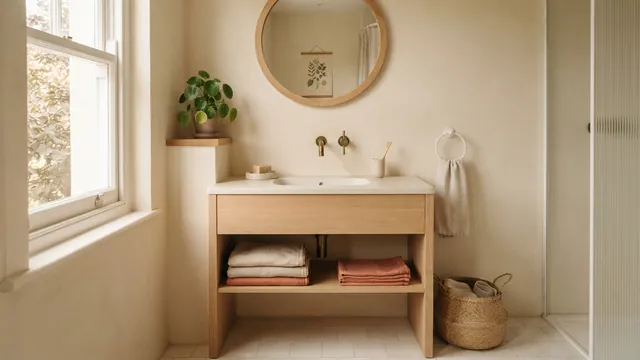
Small Bathroom Renovation: Costs and Planning
Plan a small bathroom remodel with real cost ranges, budget tips, and room for surprises.

Curtains for a Blue Room — Color, Texture and Scale
Pair blue walls with curtains that suit your light, style, and room size.