Best Sofa Types for Your Living Room: Size, Comfort, and Style
Find the best sofa for your living room—size, comfort, style, and fabric.
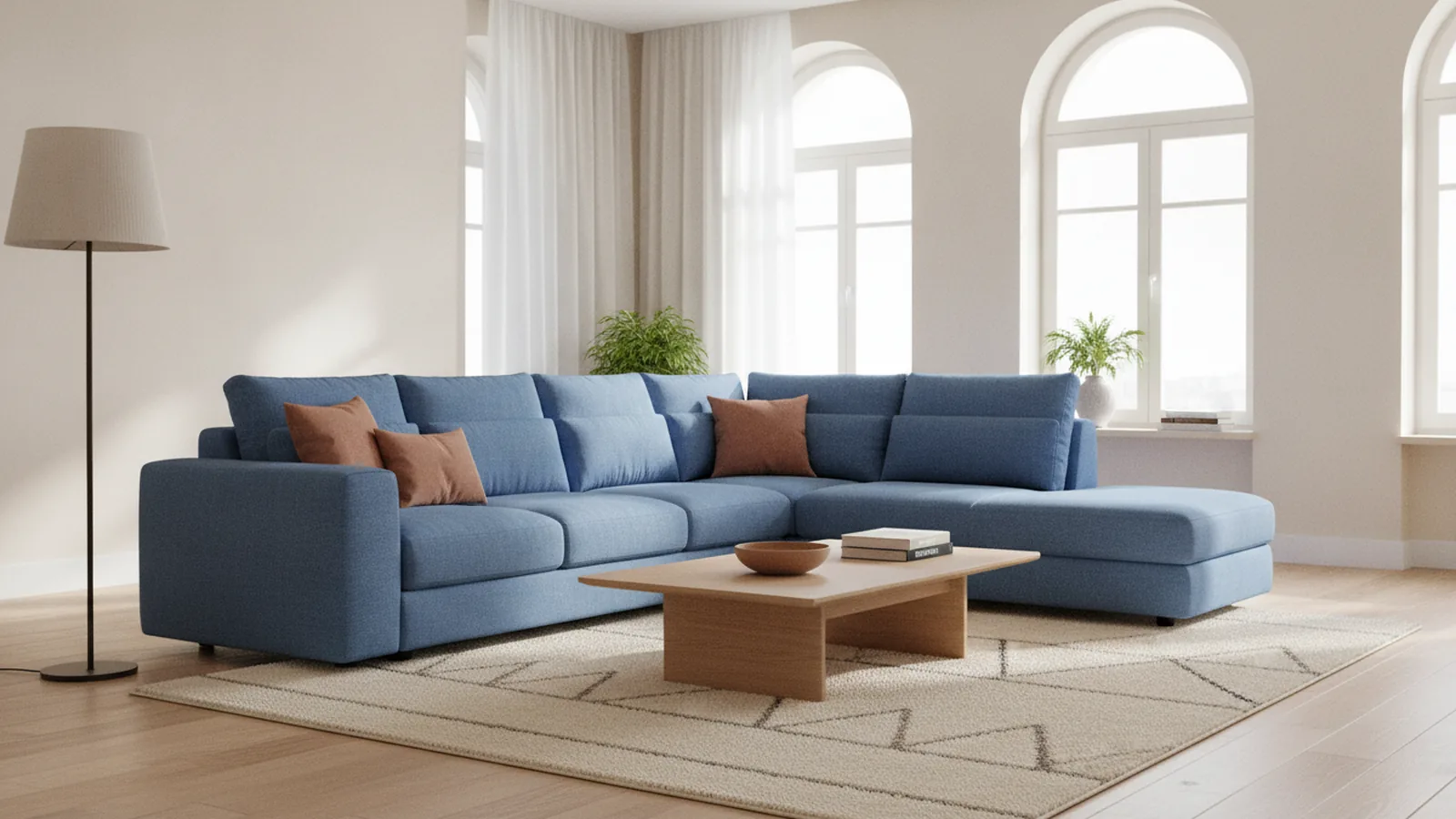
Understanding Living Room Needs
So, which type of sofa is best for living room? The best pick is the one that fits your space, supports your body comfortably, and matches your daily use.
Most living rooms act as a main gathering spot. People chat, watch TV, read, and sometimes lounge for hours. Your sofa should handle that mix without wobbling, sagging, or feeling cramped.
Start by listing how you use the room. Do you host often, or mostly relax with family? Do kids or pets hang out here? These answers shape size, layout, and fabric durability.
Finally, treat your sofa like a cornerstone piece of home decor. Its shape and color influence how the whole room feels. When you choose with your style in mind, the room looks intentional instead of “temporary.”
- Gathering and lounging: prioritize comfort and cushion support
- Entertaining: prioritize seating count and traffic flow
- Pets or kids: prioritize durable fabric options
- Small spaces: prioritize space-saving designs
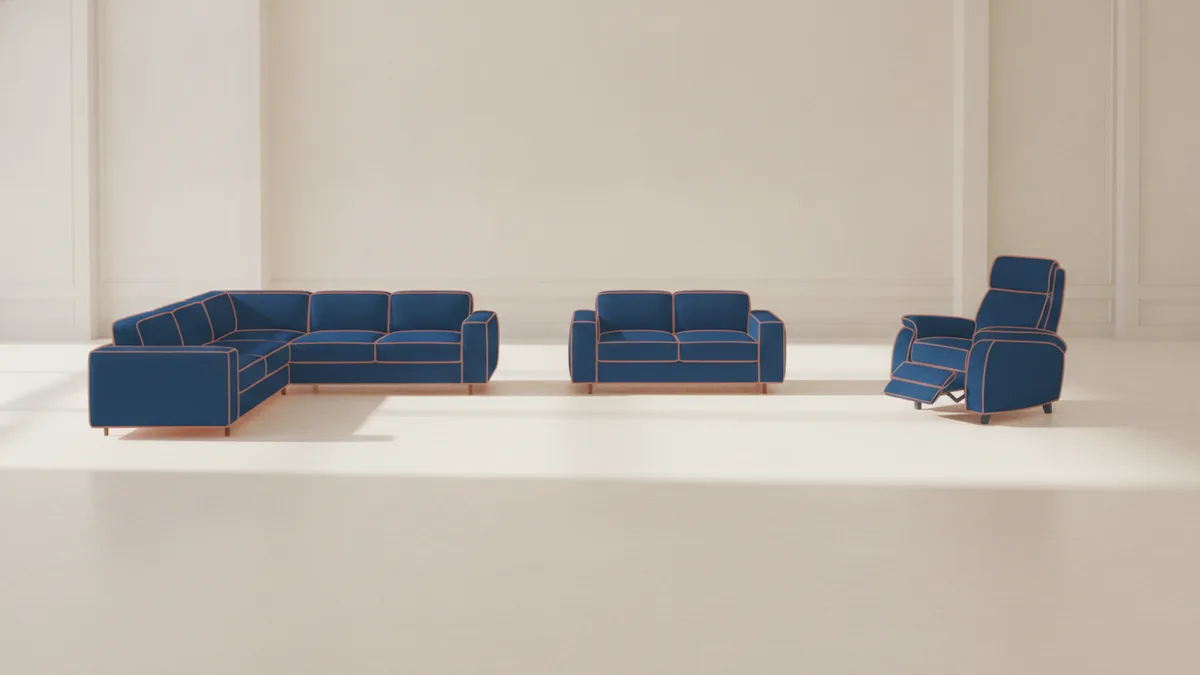
Types of Sofas Explained
Understanding sofa types is the fastest way to narrow options. Different styles serve different needs, even when they look similar in photos.
Sectional sofas are built from multiple pieces that connect into a longer seating shape. They work well when you want extra seats or a room “zone” for TV and conversation. Many sectional sofas come as modular sofas, so you can reconfigure the layout later.
Loveseats are smaller sofas meant for two people. If you are asking which sofa is best for living room, a loveseat can be the right move when your room is narrow or you already have extra seating elsewhere. Some loveseats include storage or deep seats that still feel plush.
Recliners add adjustable comfort with a footrest that lifts. They suit people who watch TV, read, or need stronger back support. Recliners can be done as power recliners or manual options, which changes cost and care needs.
| Sofa type | Best for | Common trade-off |
|---|---|---|
| Sectional sofas | Hosting, open plans, TV zones | Can overwhelm small rooms |
| Loveseats | Small living room, tight layouts | Fewer seats for groups |
| Recliners | Relaxation, comfort-first homes | More footprint near outlets |
| Modular sofas | Flexible seating and future changes | Requires a confident layout plan |
Factors to Consider When Choosing
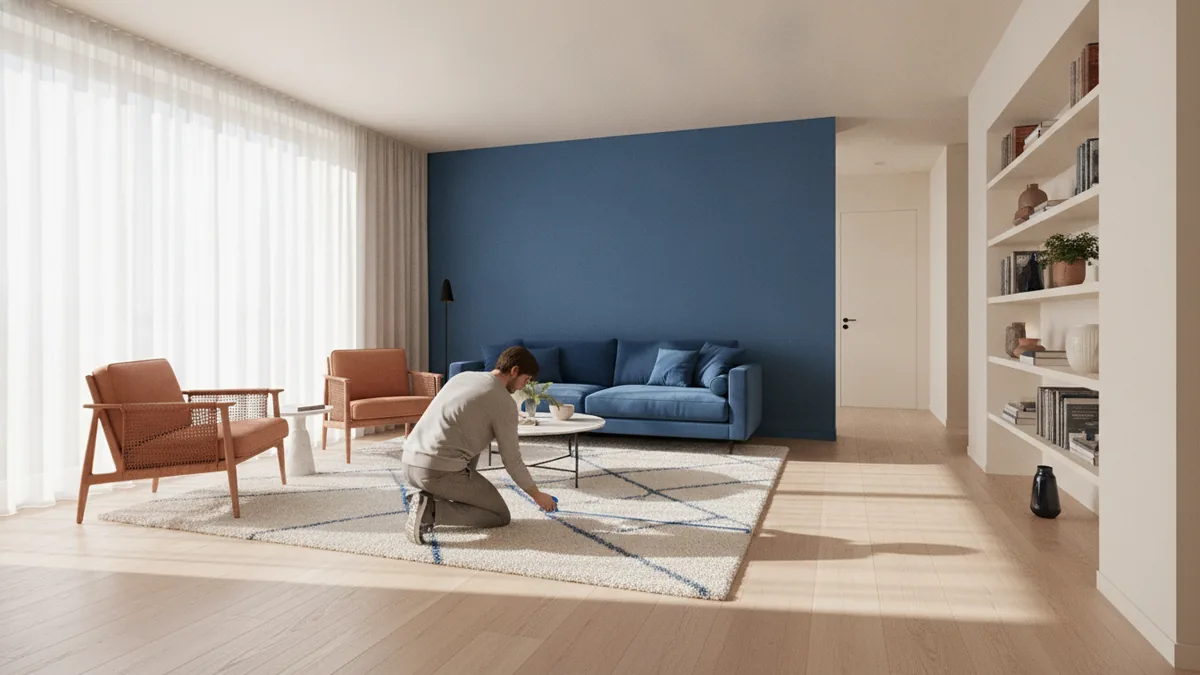
Once you know the basics, focus on fit and comfort. Size is not just about whether the sofa “fits” at purchase. It is about how it fits after you add a rug, coffee table, and walking paths.
To choose the right size sofa, measure your space in three spots. Measure the wall or focal area where the sofa will sit. Measure the walkway from entry to the main seating zone. Measure the space you want for a coffee table.
Then use a simple rule of thumb. Leave about 30 to 36 inches for main walkways. Keep enough clearance so people can pass without squeezing behind cushions.
How to judge comfort in minutes
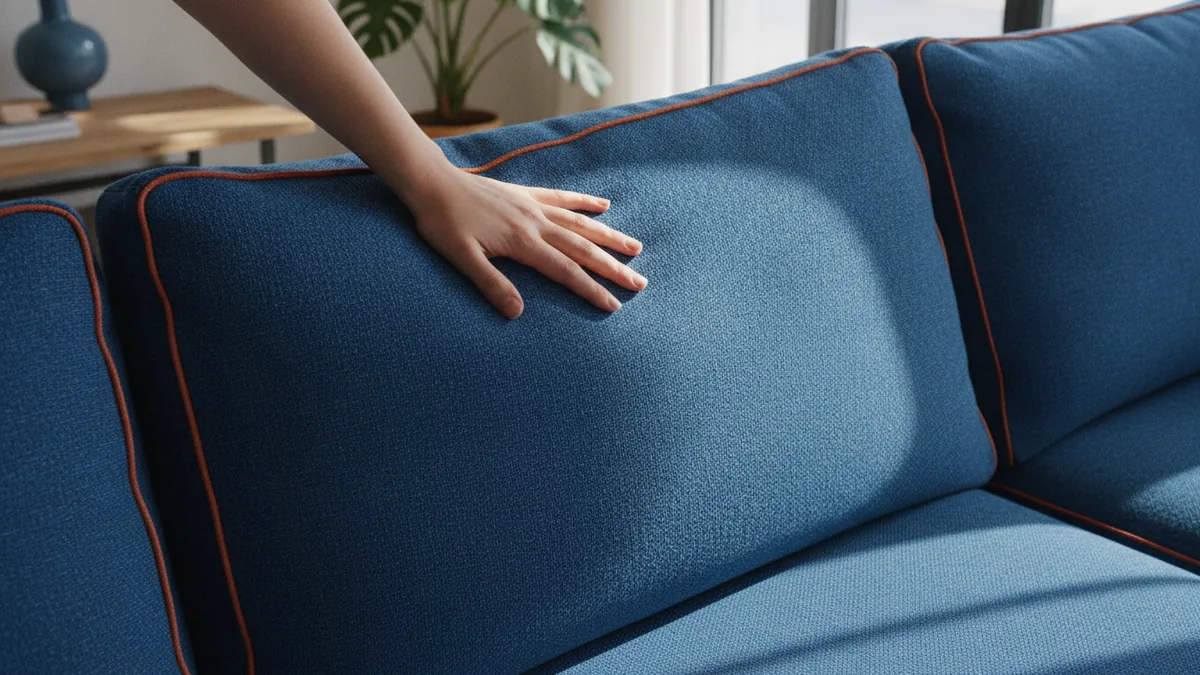
Comfort comes from seat depth, cushion material, and structure. Seat depth matters because it changes leg support and back positioning. Shallow seats can feel firm for taller people. Deep seats can feel sinky for smaller frames.
Cushion material impacts how long the sofa stays supportive. Foam cushions tend to feel consistent. A mix of foam and fiber can feel softer at first. Look for a structure that feels solid when you press on the frame edge.
If you can, test for your daily posture. Sit where you usually lounge. Notice whether your feet rest flat. Notice if your lower back feels supported after one minute.
Durability and fabric options for real life
Durability matters most if you have pets, kids, or frequent guests. Fabric options like tightly woven performance blends resist everyday wear better than delicate weaves. If you love a softer texture, plan for more frequent cleaning.
Leather feels strong and can be easier to wipe, but it still needs conditioning. Sofas with removable covers can help if spills happen often. For pets, focus on scratch resistance and choose fabrics that do not snag easily.
- Check seat firmness: it should not bottom out
- Inspect the frame edge: it should feel sturdy
- Choose fabric options that match your lifestyle
- Consider removable covers for busy households
Best Sofa Styles for Different Spaces
The “best” sofa style depends on your room shape and how you want it to function. Start with the focal point, often a TV, fireplace, or window wall. Then plan seating so views and conversation are natural.
For open living rooms, sectional sofas can create a clear lounge zone. Place the chaise or longer side toward the area people will face most often. Pair the sectional with a rug that stays centered under the front legs, so the setup looks grounded.
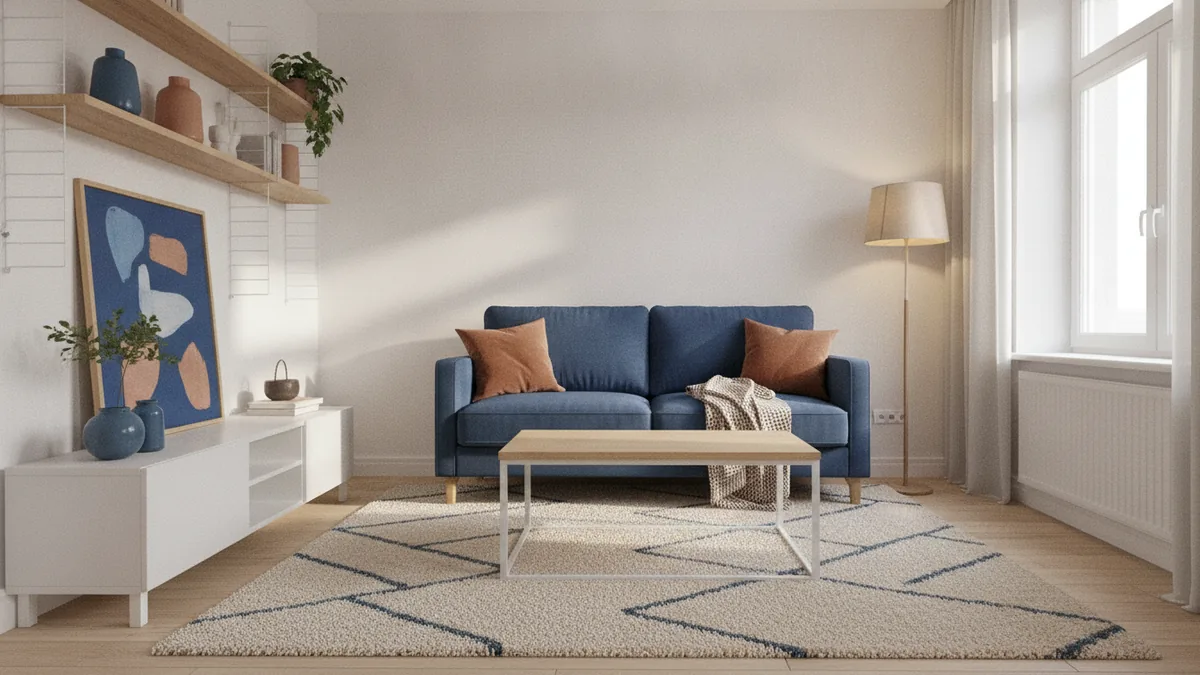
For narrow rooms, a loveseat or a straight two-seat sofa can be a smart choice. If your question is which sofa is best for small living room, prioritize space-saving designs. A loveseat can leave enough walking space and still give you a comfortable place to sit.
Corner layouts can also work with a modular sofa. Modular pieces help you match unusual corners without forcing a “best guess” purchase. If you might move in the next few years, modular sofas can adapt to a new room.
Quick layout scenarios you can copy
- Small living room: loveseat against the longest wall, sofa ends aligned with the rug edge.
- Family living room: sectional with a chaise for stretching, plus a small side chair opposite.
- Comfort-first home: recliner paired with one or two supporting chairs to balance the room.
- Host-friendly space: sectional with enough seats, keep the coffee table centered in the walking zone.
Budget Considerations
Budget is not just about buying the cheapest sofa. It is about balancing quality and budget over time. A sofa that looks great for two years and then sags can cost more than a stronger option later.
Set a realistic target range based on your lifestyle. If you sit on the sofa daily, spend more on comfort features and durable fabric options. If the sofa is used less often, you can allocate savings to finishes while still choosing a solid frame.
When comparing prices, look at what is included. Check cushion build, fabric type, and whether the cover can be cleaned. Also factor in delivery and any assembly needs.
How to shop without regret
First, compare at least three sofas in the same size range. Second, test the seat support and check structure while you sit. Third, ask how cushions are built and whether replacement parts exist.
For budget-friendly sofas, aim for “strong basics” instead of flashy extras. A simple design with durable materials often beats a trendy style with weak support.
- Comfort-first: invest in cushion support and seat depth
- Pet-friendly: invest in fabric durability and scratch resistance
- Small-room needs: invest in size and proportion, not extra pieces
- Long-term use: invest in frame quality
Caring for Your Sofa
Great care keeps your sofa looking good and feeling supportive. A routine is easier than deep cleaning, especially with performance fabrics or lighter colors.
Start with weekly maintenance. Vacuum the cushions and seams to remove dust and grit. Grit slowly wears down fabric and can make cushions feel rough faster.
Use cleaning methods that match your fabric options. Spot clean spills quickly, and blot instead of scrubbing. Scrubbing can push stains deeper or damage the weave.
For long-term protection, rotate cushions if your sofa has them. Uneven wear changes comfort and can make one side sag earlier. If you have removable covers, follow the care label closely to avoid shrink or fading.
Simple maintenance tips that matter
- Blot spills right away to prevent set-in stains
- Use a soft brush attachment for seams and corners
- Keep the sofa out of direct sun when possible
- Check under-cushion fit and tighten if needed
With the right care routine, your sofa stays a reliable gathering spot. It also helps your fabric keep its feel and durability. That means fewer replacements and more comfort for the living room you actually live in.
Frequently asked questions
- Which type of sofa is best for a living room?
- The best type matches your room size, your comfort needs, and how you use the space. Sectionals work for hosting, loveseats fit tighter rooms, and recliners suit comfort-first lounging.
- Which sofa is best for a small living room?
- A loveseat is often the best choice when you need space-saving designs. Look for a size that keeps walkways clear and still supports your everyday sitting posture.
- How do I choose the right sofa size for my living room?
- Measure the wall or placement area, plus the walkway and the coffee table clearance. Plan to leave about 30 to 36 inches for main paths so the room feels open.
- What makes a sofa comfortable for everyday use?
- Seat depth and cushion material drive comfort more than looks alone. Strong structure and supportive cushions help your back feel good during long viewing or reading sessions.
- What sofa fabrics are best if I have pets or kids?
- Prioritize durable, tightly woven fabric options and consider performance blends. If you expect frequent spills, choose removable covers or fabrics that spot clean easily.
- How should I care for my sofa to make it last longer?
- Vacuum seams weekly and blot spills quickly. Rotate cushions when possible and clean using methods that match your fabric type.
Related reading
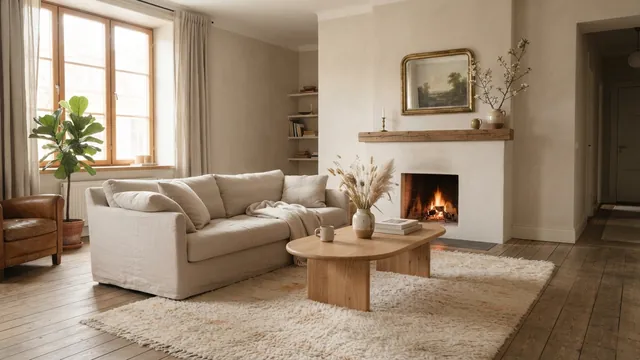
Couch Placement—Flow, Focus and Comfort
Place your couch to frame a focal point, keep paths clear, and make the room feel balanced.
Master Bedroom — Color, Comfort and Personal Style
Build a calm, personal bedroom with smart choices and a budget that works.
Room Painting Labor Costs — Rates and Budget Factors
See typical room-painting labor rates and learn what drives the final price.